Judicial Reform
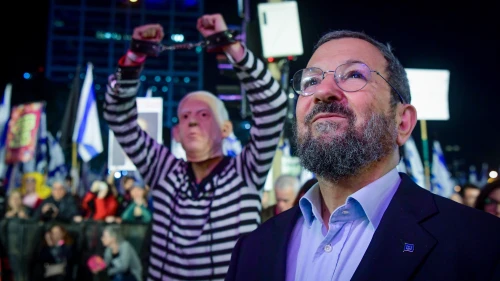
Tel Aviv police will examine the case after the former prime minister called for “nonviolent civil noncompliance.”
“I’m not blaming the Jewish Federations of North America. I assume that it simply didn’t know and had good intentions,” said Israeli Diaspora Affairs Minister Amichai Chikli.
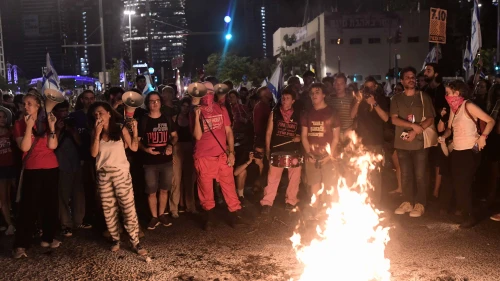
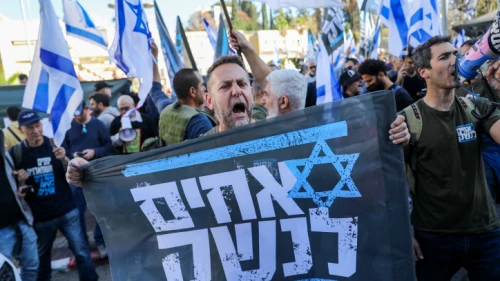
“Our goal is clear: to return the mandate to the people and go to elections before the anniversary of the Oct. 7 failures,” one protest leader said.
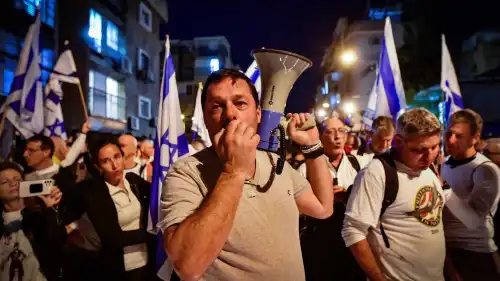
The NGO previously urged IDF reserve troops to refuse to serve.

It is curious why the government’s judicial reform proposals should have sparked fears of a tech collapse.

One of its main donors, American billionaire Arthur Dantchik announced last summer that he would stop providing funds.
The group and others like it want to “undermine Israeli democracy and preserve oligarchy,” says researcher Martin Sherman.
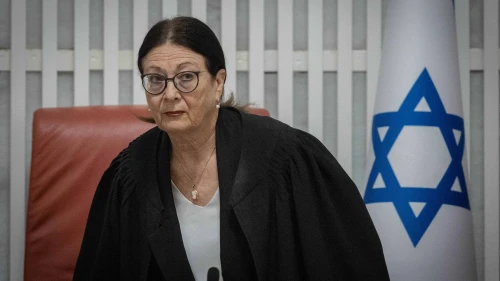
Right-wing members of the panel said they had no say in choosing judges.
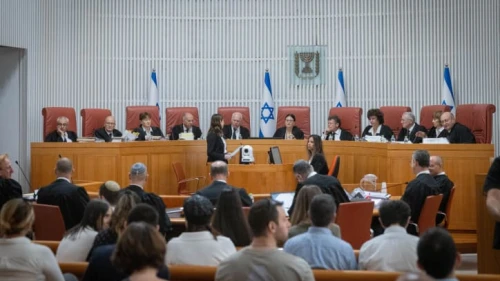
Arguing that the law, an amendment to Basic Law: The Government limiting the conditions under which a sitting premier can be removed from office, the Court ruled that the law will only go into effect after elections.
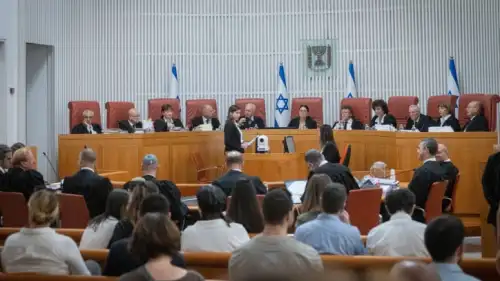
Judicial reform suffered a blow, but not a fatal one, say critics of Monday’s ruling.
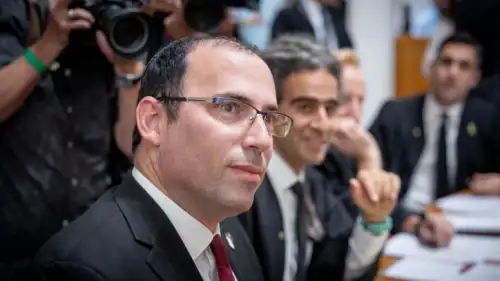
“The court did not rise to the occasion, but that does not mean that we should be irresponsible,” says MK Simcha Rothman, one of the reform effort’s key architects.
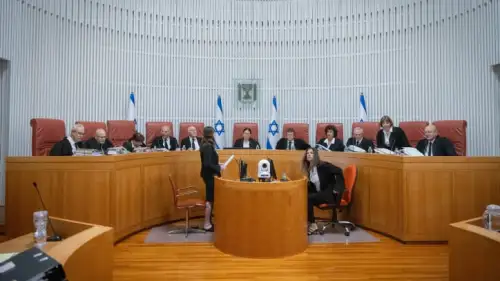
The decision is seen as akin to the American Supreme Court striking down an amendment to the U.S. Constitution.