Middle East
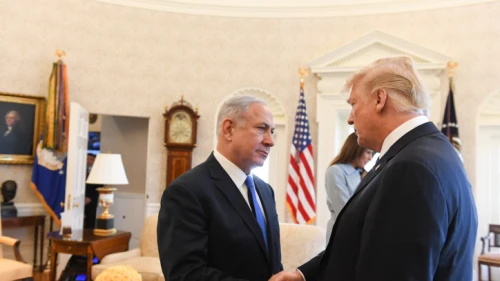
“From time to time, he says something about this and [the peace plan] might come,” said Israeli Prime Minister Benjamin Netanyahu. “The Americans are thinking about it ... when they propose it we will see.”
U.S. President Donald Trump will only unveil an “agenda for peace” at the U.N. General Assembly meeting next month, due to difficulties encountered by his peace team in recent months and the president’s current legal troubles, a source tells Israel Hayom.
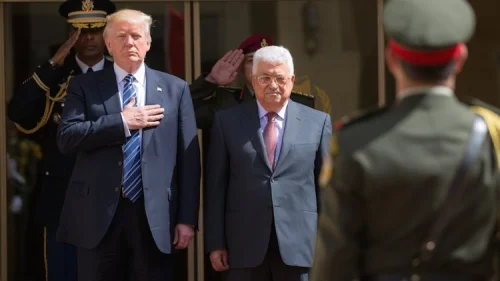
U.S. President Donald Trump’s plan includes items the Palestinians would never agree to, says Ronen Yitzhak, head of the Middle East Studies department at Israel’s Western Galilee College.
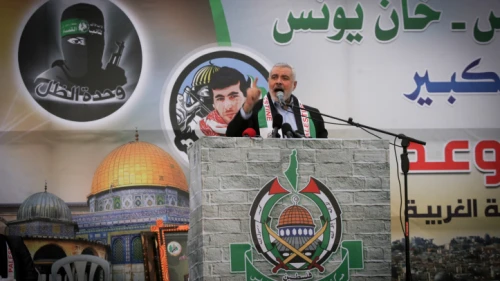
In Eid al-Adha speech, Ismail Haniyeh pledges that “the resistance will break the siege on Gaza. We will crush it and continue to fight without relinquishing our principles and weapons.”

The very issue that caused Hamas to escalate tensions in the first place—Gaza’s isolation and faltering economy, and Hamas’s desire to change these things—remain in place, meaning that conflict could flare up even more in very little time.

Right-wing politicians call Knesset member Ahmad Tibi “populist” and “hypocritical,” and back a measure that allows Jewish communities to keep non-Jews out.
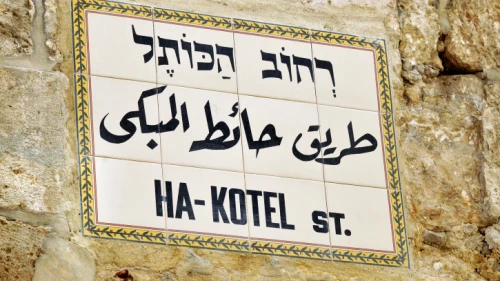
“In recent years, the country has turned into a nation of all its people, all of its infiltrators,” said Israel Tourism Minister Yariv Levin. “Everything that has to do with Jewish life became some sort of issue of inequality and discrimination. This is what the legislation seeks to fix.”
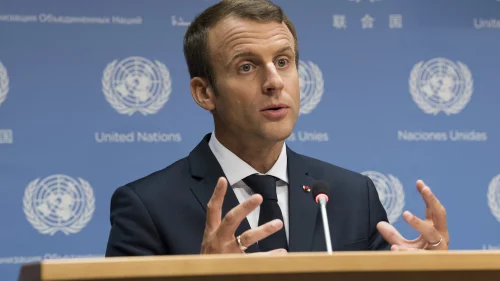
The French Agency for Development supports French organizations that disseminate blatant anti-Israeli rhetoric, and that are active in prohibited discriminatory boycott campaigns against Israel
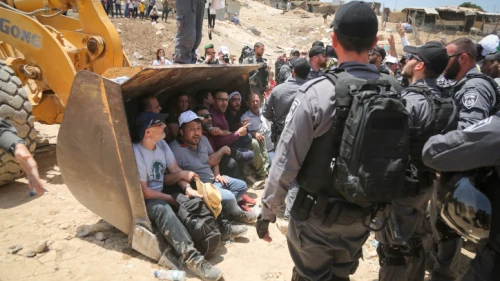
Protesters and residents of Khan al-Ahmar in the Judean Desert try to block construction equipment from paving an access road to facilitate the demolition; rocks were thrown at officers.
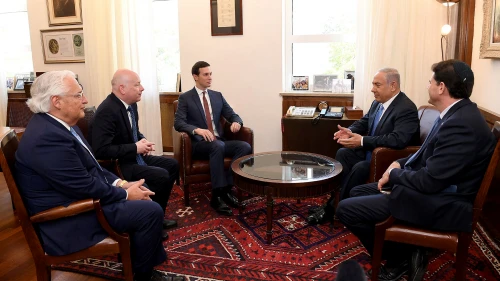
A survey conducted by the Israel Democracy Institute and Tel Aviv University shows that nearly 75 percent of Jewish and Arab Israelis think that a new peace proposal being promoted by the American administration has a low chance of succeeding.
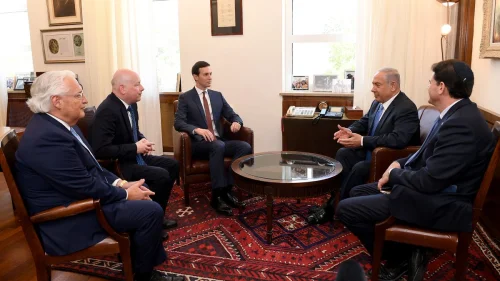
“The teams discussed advancing the peace process, regional developments, and the security and humanitarian situation in Gaza,” according to Israeli Prime Minister Benjamin Netanyahu’s office.
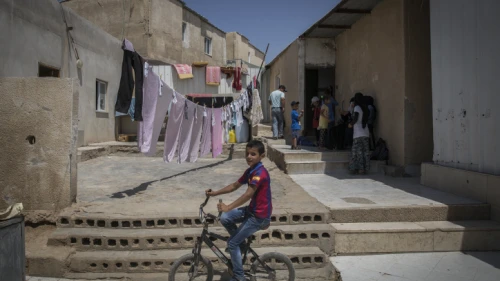
“The state has the choice between appeasing the Bedouin and coercing them to obey the state law,” says Dr. Mordechai Kedar, a research associate at Bar-Ilan University’s Begin-Sadat Center for Strategic Studies and a leading scholar on Arab culture.