Israel has once again ranked among the world’s happiest countries, placing eighth in the 2026 World Happiness Report, even as the country continues to grapple with war, instability and national trauma.
The data, published on March 19, highlight a striking paradox: While Israelis face ongoing emotional strain, trauma and uncertainty, overall life satisfaction remains among the highest globally.
One of the most notable findings is the strong showing among young Israelis. Those under 25 rank as the happiest age group within the country and place third worldwide, far ahead of their peers in many Western nations. In the United States, for example, young people rank around 60th.
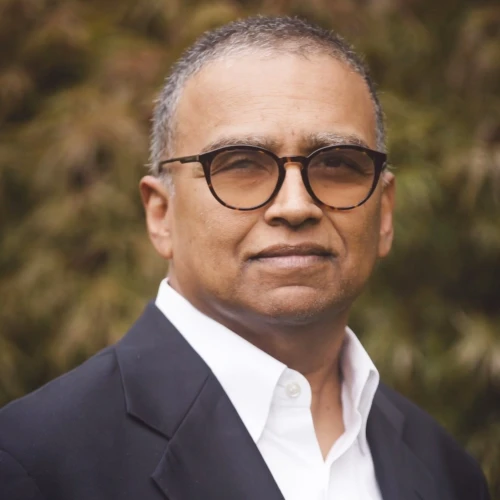
According to Anat Fanti, a happiness policy researcher at Bar-Ilan University in Ramat Gan, the findings reflect the enduring strength of Israeli society’s underlying social fabric.
“These figures suggest that even under the strain of prolonged war, deeper sources of resilience—family ties, community, faith and a strong sense of belonging—are helping large parts of Israeli society remain well above the global average,” she said.
At the same time, Fanti cautioned that the report does not capture the full emotional reality on the ground.
“Israel’s result in this year’s World Happiness Report does not erase the psychological and social cost of the war,” Fanti said. “On the contrary, it highlights the gap between the resilience of Israeli society and the difficult emotional reality of daily life.”
According to the report, Israel has risen from 119th place before the war to 39th in the world on measures of worry, sadness and anger. At the same time, public trust in state institutions continues to erode, as reflected in the perception of corruption indicator, where Israel has fallen to 107th place.
Fanti explained that while Israel’s continued high ranking—and particularly the strong performance of its youth—points to enduring national strengths, resilience should not be mistaken for immunity.
“The rise in worry, sadness and anger, together with the erosion of public trust, makes clear that resilience is not immunity,” she said.
The World Happiness Report measures overall life evaluation based on long-term structural factors such as economic stability, healthcare, social support and charitable giving. It relies on a three-year average, meaning that the immediate psychological impact of war may be only partially reflected.
In that sense, Israel’s high ranking does not contradict the widespread sense of anxiety and exhaustion. Rather, Fanti said, it points to deeper, more durable layers of resilience that persist despite ongoing turmoil.
Looking ahead, Fanti said the findings carry a clear policy message, particularly in an election year.
“If Israel wishes to preserve its place at the top of the World Happiness Index, it cannot rely solely on natural civic resilience,” she said. “What is needed is active policy aimed at rebuilding public trust, strengthening social and mental health services and reinforcing the sources of cohesion that enable Israeli society to endure.”
“The 2026 report shows that Israeli society is still very strong, but reminds us that resilience cannot last forever,” Fanti concluded.