Syrian president Ahmed al-Sharaa rejected the possibility of his country joining the Abraham Accords on Monday during his first visit to the United States.
Speaking with former CIA director David Petraeus at the Concordia summit in New York City, al-Sharaa said he was focused on restoring the 1974 disengagement agreement in the Golan Heights.
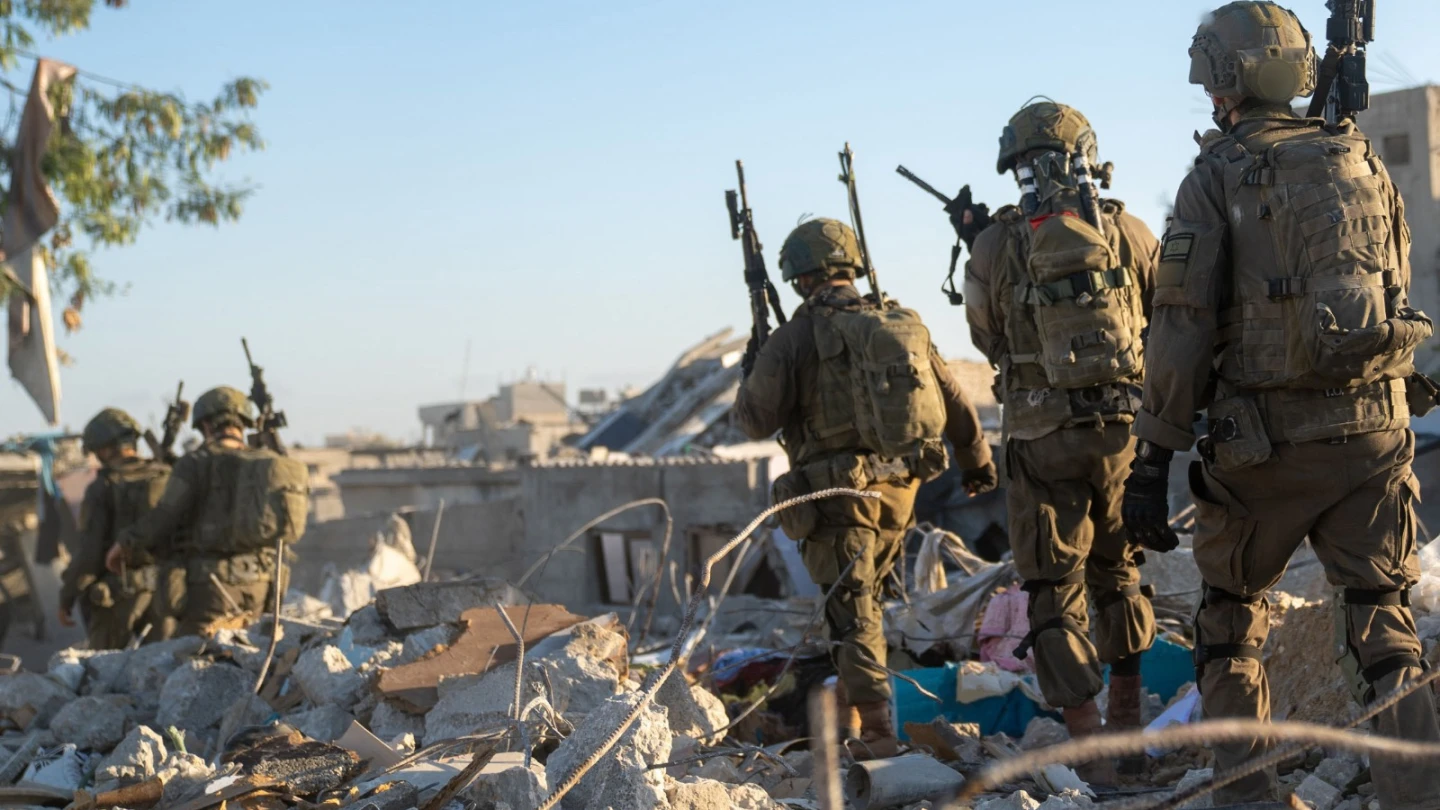
“Those who are parties to the Abraham Accords are not neighbors to Israel,” al-Sharaa said. “Syria, as a neighbor, has been subjected to over 1,000 raids, strikes and Israeli incursions in Syria from the Golan Heights, and many were killed.”
The Syrian president also said that there is “a huge anger” among Syrians about the Israeli war against Hamas in Gaza.
“We just had our revolution, we are trying to be the voice of the people,” al-Sharaa said. “In this new era, there are different phases of negotiations with Israel, and to go back to the truce of 1974, if there are any security fears, there are mediators, like the United States, that could calm the fears.”
Al-Sharaa arrived in New York on Sunday and is slated to be the first Syrian leader to address the U.N. General Assembly since 1967.
Since his forces took control of the country from the Assad regime in 2024, al-Sharaa, who previously led al-Qaeda’s Syrian affiliate, has repeatedly courted Western leaders, including U.S. President Donald Trump and French President Emmanuel Macron, in an effort to remove sanctions on Syria and restore the country to the international fold after decades of isolation.
Petraeus, who took command of U.S. forces in Iraq in 2007 at the height of the al-Qaeda-led insurgency, noted the irony of sitting across from a man whom he once held captive.
“The fact is that we were on different sides when I was commanding the surge in Iraq,” Petraeus said. “Help us understand how you got from al-Qaeda in Iraq 20 years ago to where you are today, Syria’s head of state on stage in New York City.”
“Perhaps there were some mistakes,” al-Sharaa replied, saying that he was now focused on the future and working with “allies and friends.”