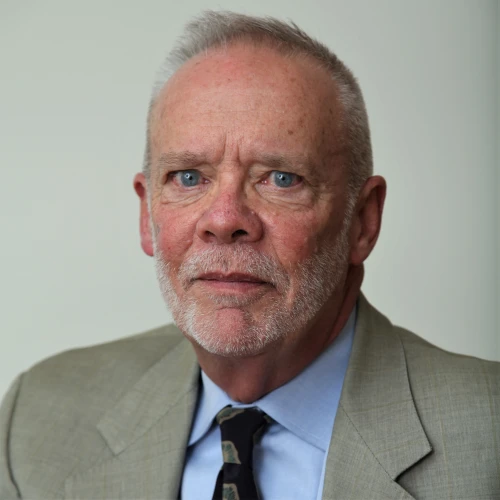
About 200 leaders from Hadassah, America’s largest Jewish women’s Zionist volunteer organization, met with more than 100 members of the House and Senate on Tuesday as part of the group’s annual “Day of Impact” advocacy day on Capitol Hill.
Carol Ann Schwartz, national president of Hadassah, told JNS that its volunteers, representing chapters from across the country, shared personal stories and policy priorities with lawmakers, urging them to strengthen the U.S.–Israel strategic alliance, confront antisemitism and protect women’s health.
“In the United States, one out of nine Jewish women is a member of Hadassah, and we look at that as, yes, it’s wonderful, but it’s also a responsibility to make sure we’re representing all of those members,” Schwartz said of the nearly 300,000-person organization. “We were out in full force.”
The effort comes amid rising antisemitism in the United States and heightened debate in Washington over U.S.-Israel relations.
One bill designed to help address Jew-hatred, the Antisemitism Awareness Act, would adopt the International Holocaust Remembrance Alliance’s working definition of antisemitism into law, but has been stalled in the Senate for more than a year.
Politicians on both sides of the aisle have objected to the IHRA definition over claims that it chills legitimate criticism of Israel or might restrict the ability of Christians to say that Jews killed Jesus.
The legislature in New Jersey recently killed a similar bill to adopt the IHRA definition at the state level, reportedly over fears among incumbent Democrats that it could leave them open to primary challenges from the anti-Israel left.
Schwartz told JNS that she was confident the Antisemitism Awareness Act would pass, and that her message to lawmakers worried about that kind of political calculus is that Jews vote, too.
“We’re trying to get down to the root of why they’re making the objections,” Schwartz said. “If it’s just because, ‘Well, I’m going to lose votes,’ you’re going to lose votes if you don’t approve it as well.”
“How can you have another group define what is antisemitic to the Jewish people?” Schwartz asked. “You have to have the Jewish people making that definition.”
‘So much glass’
Among its congressional priorities are increased funding for the Nonprofit Security Grant Program, support for U.S.-Israel medical partnerships and expanded federal investment in women’s health research.
“It’s important, especially when we’re meeting with our congressional leaders, to share with them specific incidents of what has occurred to their colleagues and their constituents,” Schwartz said. “Some of them then shared with us how they have received antisemitic, anti-Zionist hate, and they’re not even Jewish. But they’re supporting the U.S.-Israel relationship, so they’re receiving this backlash as well.”
Part of responding to that backlash for Hadassah involves showing how the medical expertise of Israel, where Hadassah runs some of the country’s largest and most advanced hospitals, can benefit the United States.
Schwartz pointed to cutting-edge research at the Hadassah Organoid Center that uses adult stem cells to fight cancer, as well as Hadassah’s experience running medical centers under wartime conditions.
“Every hospital has so much glass,” Schwartz said. “How do you board it up when a ballistic missile is coming? And you can look at it and say, well, ballistic missiles aren’t coming to the United States; we know Iran was trying to expand its reach.”
“We’re sharing this knowledge because we know there will be a time that will come that the hospitals in the United States are going to need to have this information as well,” she said.
Schwartz stressed the nonpartisan nature of Hadassah’s outreach efforts to strengthen the U.S.-Israel relationship, fight antisemitism and expand women’s health-care access in advocating on Capitol Hill on Tuesday.
“We really wanted to get a broad-brush stroke of meeting with people who we already know are our friends and those who aren’t our friends anymore,” Schwartz said. “Aren’t our friends yet, I should say.”