


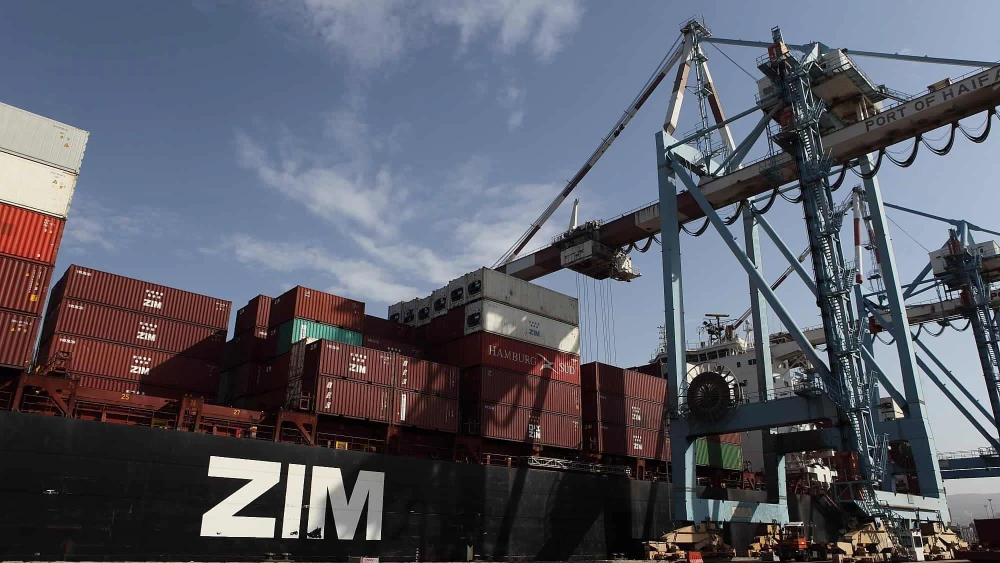
The Trump administration based its 17% tariff on Israeli imports, which takes effect on April 5, on the U.S.'s $7 billion annual trade deficit with the Jewish state.
American officials arrived at the rate by dividing the deficit by Israel’s $20 billion worth of exports to the U.S., resulting in 35%, then halving it to reach the 17% figure.
The move caught Israeli officials off guard, prompting Prime Minister Benjamin Netanyahu and Finance Minister Bezalel Smotrich to begin efforts to negotiate a reduction of the tariff to 10%, the lowest rate due to be imposed on countries by the U.S. starting on Saturday.
Israeli authorities are assessing the impact on the country’s economy, particularly on leading exports such as medical devices, pharmaceuticals, electrical equipment, and machinery.
While Israel has no plans to retaliate with tariffs on American goods, the government is considering support measures for affected exporters and exploring alternative trade opportunities with Europe and Asia.



