Newsletter
Newsletter Support JNS
Ethel G. Hofman

Ethel G. Hofman

Ethel G. Hofman is a widely syndicated American Jewish food and travel columnist, author and culinary consultant.

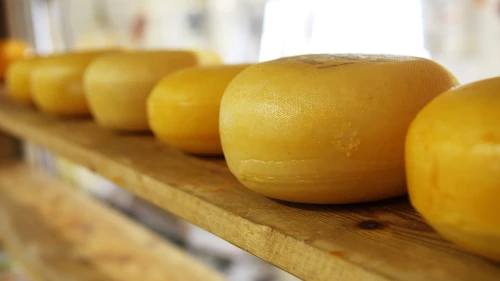
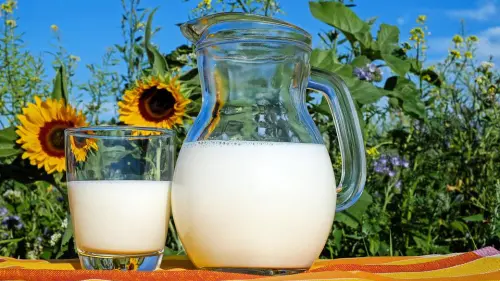
White, as in milk and milk products, symbolizes the purity and sanctity of the Torah.
Everything at a Tel Aviv home had been locally produced—fruits, vegetables, cheeses, the full-bodied olive oil and the wine.
Traditional holiday dishes can be flavored with never-before available dried spices and herbs, many of them mixed medleys like za’atar, shawarma and hawaij.
Skip the usual soup and stick with the two proteins: fish and meat. Each may become a year-round favorite.
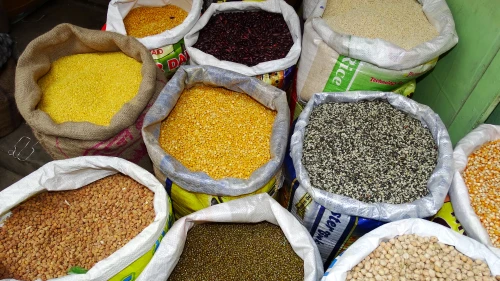
For the festive holiday meal, many serve dishes incorporating pulses like peas, beans and nuts.
On the Shetland Islands where I grew up, my mother served homemade pickled herring and seltzer water after the end of services—essential, she insisted, “to replenish liquids and salt lost during fasting.”
And while you’re at it, take a visit not far away to the Yiddish Book Center in Amherst, Mass., for a historical, intellectual and visual trip with friends and family.
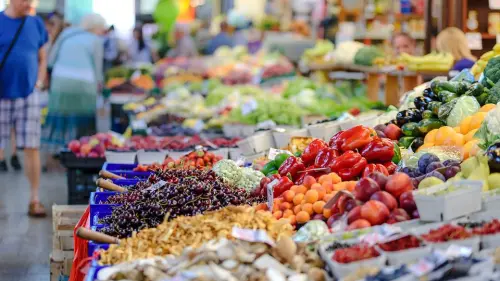
All across the country, these places highlight farmers and bakers who sell their goods directly to consumers; best of all, for the kosher cook and eater, the selections are nearly unlimited.
There were always plenty of fresh, local ingredients in Shetland—eggs, butter, cheeses, milk, cream—all delivered to our front door. In fact, many of our weekday dishes, like rice pudding and baked fish pies, fit right in with the holiday.
For the second seder, consider a lighter meal. This may well be the start of a new tradition for wordly younger generations looking for fresh, healthy but still tasty and traditional holiday fare.
With scents and flavors that tantalize—and the country having renewed ties to Israel as part of the Abraham Accords—now is the time to celebrate North African traditions.
Whip up a pot to eat now or freeze for later; it’s a delicious catch-all for food you might otherwise toss.