Ecuador on Tuesday inaugurated its Center for Innovation and Entrepreneurship in Israel, located within the Hebrew University of Jerusalem Entrepreneurship and Innovation Center in Givat Ram.
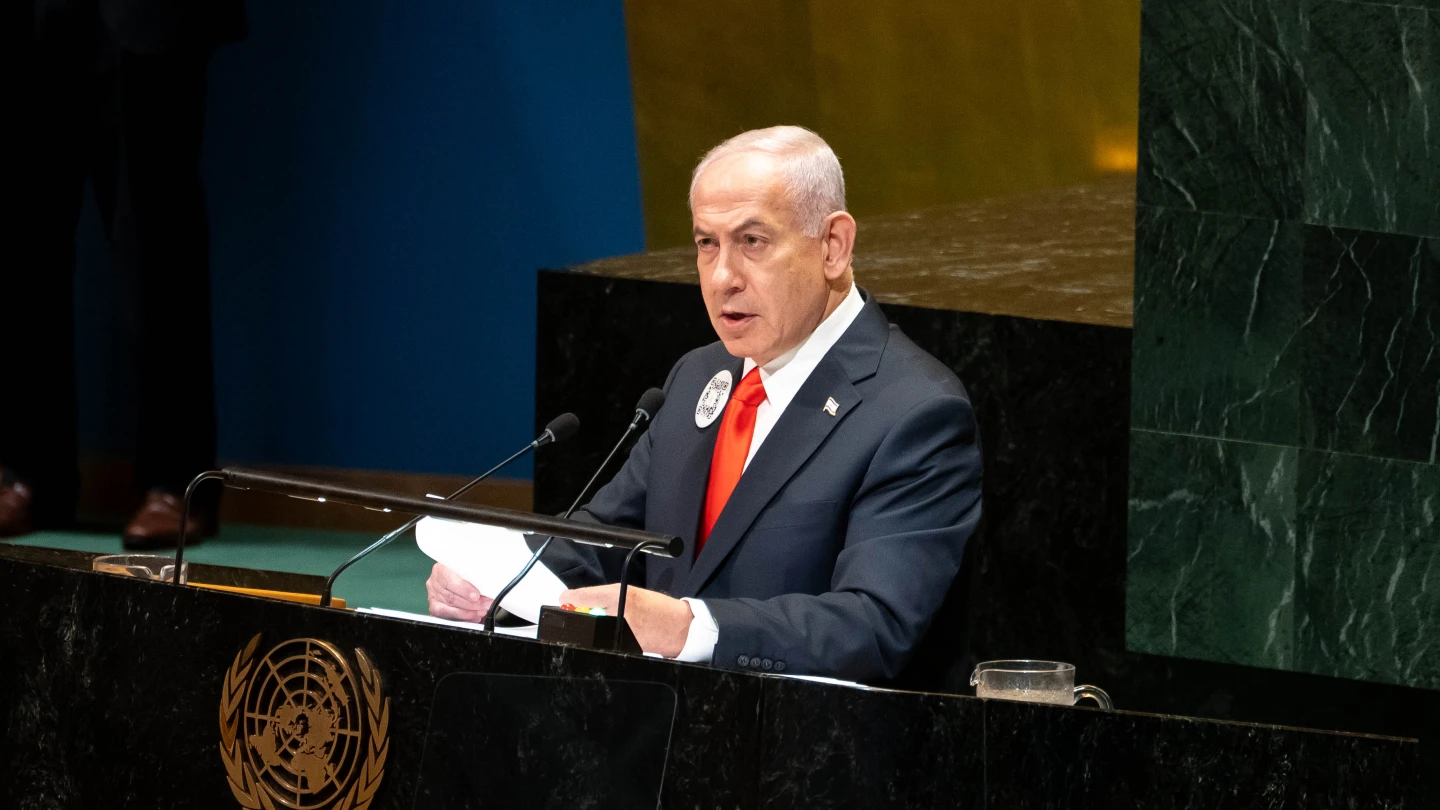
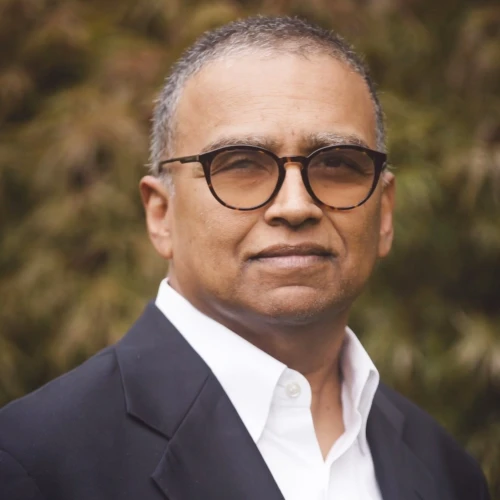
The ceremony was attended by Israel’s Foreign Minister Gideon Sa’ar, Ecuadorian Ambassador to Israel María Cristina Cevallos Calero, Hebrew University President Professor Tamir Sheafer and Professor Amnon Dekel, executive director of ASPER-HUJI Innovate.
The new center is slated to spearhead collaborations in entrepreneurship and innovation across government, industry and academia, with student training workshops, the Hebrew University said in a statement.
Ecuador’s President Daniel Noboa visited Israel in May to cement the establishment of the Ecuadorian Center.
Cevallos Calero issued a statement, thanking the university and saying: “Innovation is a catalyst. It opens doors that did not exist before, transforms challenges into opportunities, and empowers societies to reimagine the boundaries of what is possible. When supported by a strong entrepreneurial spirit, innovation becomes a powerful engine of economic growth, social development and long-term resilience.”
Sheafer praised the collaboration, saying, “The establishment of the [Ecuadorian Center] sends a clear message: Innovation is a shared language between our societies. … [This initiative] strengthens our role as a global university and demonstrates how close cooperation between academia, industry and government in Ecuador and Israel can translate into real impact on the ground.”
Dekel was quoted as saying that the Ecuadorian Center “is not envisioned as a one-way relationship. We look forward to deep collaboration between researchers, students and innovators from both Ecuador and Israel.”
On Dec. 1, Sa’ar expressed hope that the new center for Innovation and Entrepreneurship would in time lead to the transfer of the Ecuadoran embassy to Israel’s capital.
Speaking at the opening of the center, Sa’ar noted that Guatemala, Paraguay and Honduras had moved their embassies to Jerusalem, and that Argentinean President Javier Milei had announced he would do so in the spring. The opening of Ecuador’s innovation center was “another milestone” in the right direction, Sa’ar added.
Ecuador opened an embassy in Jerusalem in the 1950s, but moved it to Tel Aviv in 1980.