As the Jewish community prepares to welcome the year 5785 on the Hebrew calendar, Rosh Hashanah 2024 brings unique challenges and opportunities. Set to begin on Wednesday, Oct. 2, and conclude on Friday, October 4, this year’s observance will seamlessly transition into Shabbat, necessitating additional preparations. From traditional foods to the blowing of the shofar, the celebration encapsulates renewal, reflection, and hope for the coming year.
Rosh Hashanah symbols
Every year, on the night of Rosh Hashanah, it is customary to eat symbols—foods that symbolize blessings for the new year. Each symbol is accompanied by a special blessing and deep spiritual meaning. The holiday symbols are an integral part of the holiday and accompany the family meal in a spirit of renewal and blessing.
- Pomegranate: The many seeds of the pomegranate symbolize abundance.
- Apple in honey: Symbolizes a sweet year.
- Rubia (beans): The rubia symbolizes multiplication and growth.
- Leek: The leek symbolizes hope for the removal of enemies.
- Fish head: To be like the head and not the tail.
Shofar blowing
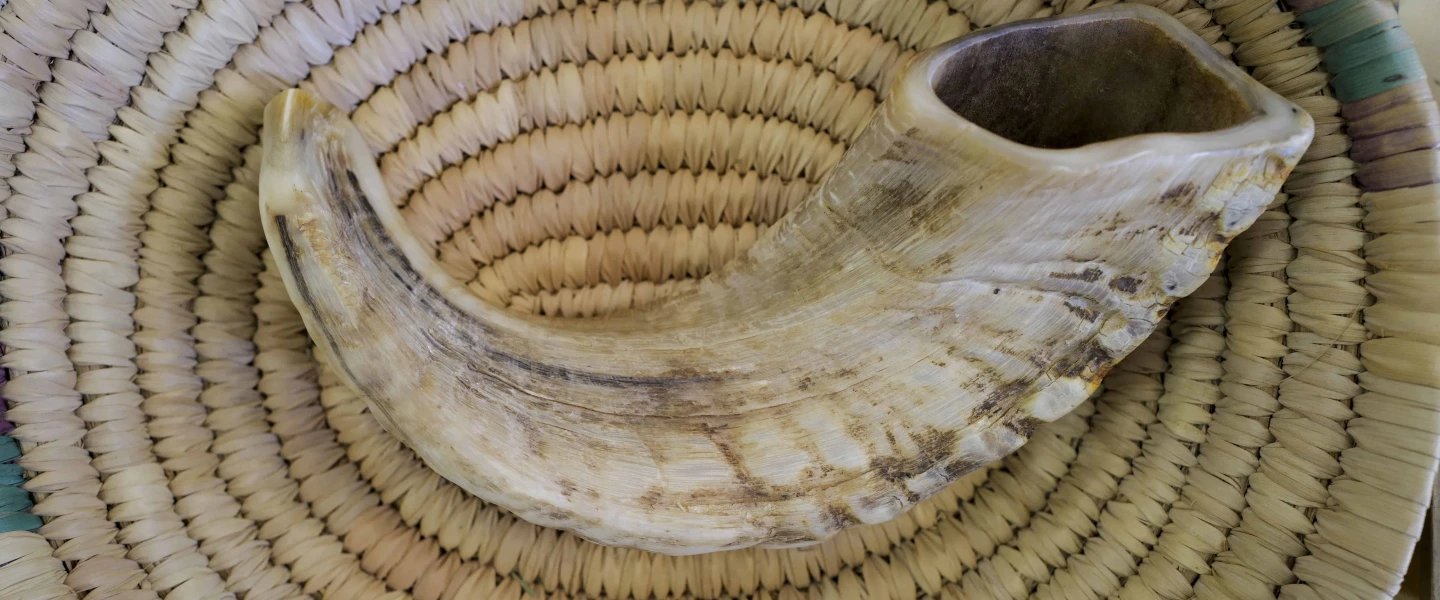
Shofar blowing is one of the central customs of Rosh Hashanah. It symbolizes a call to repentance, the coronation of God as King of the universe, and the opening of the gates of heaven for our prayers. Types of blasts:
- Tekiah: A straight, long sound.
- Shevarim: Three short blasts.
- Teruah: A series of short and continuous blasts, totaling nine.
In every synagogue, 30 blasts are sounded before the Musaf prayer, and another 70 blasts during it. The blasts are considered a central stage in the prayer, and it’s important to listen to them with concentration and without distractions.
Eruv Tavshilin: What is it and how to perform it?
When Yom Tov connects to Shabbat, one must perform an eruv tavshilin that allows the preparation of food for Shabbat during the second day of Yom Tov. One should take challah bread and a prepared dish, say the blessing, give it to someone else who will also say a blessing, and thus, it is permissible to cook on Yom Tov for Shabbat.
Originally published by Israel Hayom.