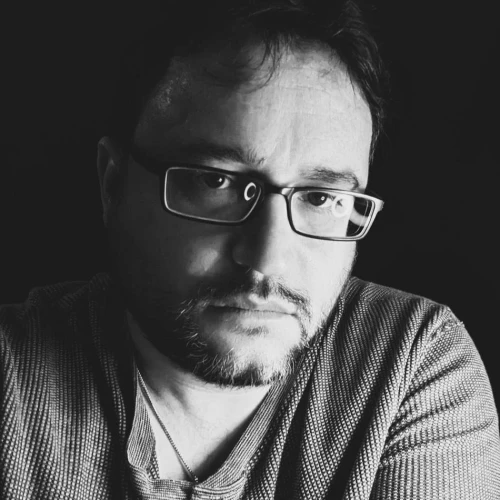
South African photographer Ilan Ossendryver was stranded in Israel during the recent Israel-Iran war, dubbed Operation Rising Lion by the Israel Defense Forces.
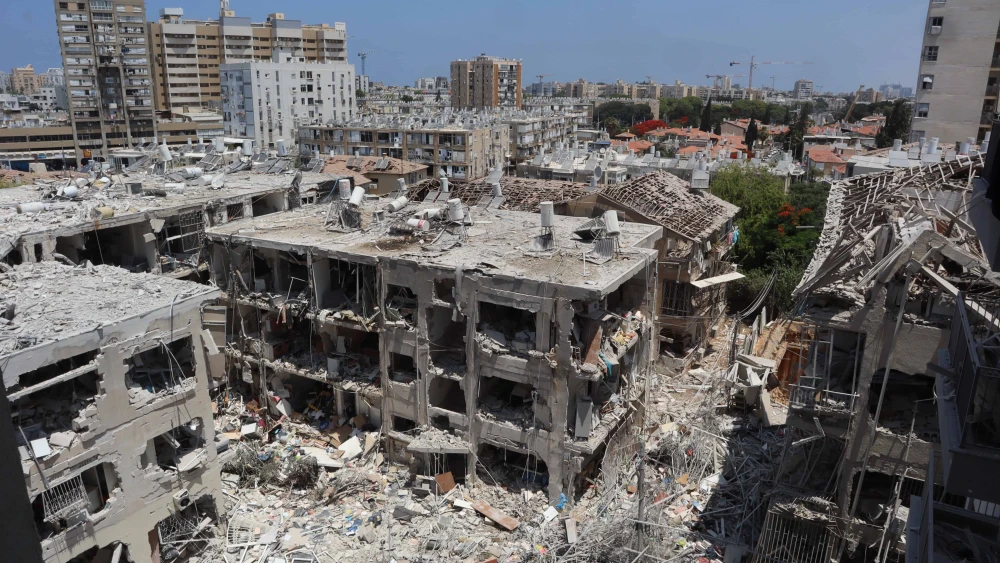
Recognizing the magnitude of the war, Ossendryver grabbed his camera and went to the various sites of impact to record this time in history, showing the destruction of civilian infrastructure caused by the Iranian missiles. The result is a series of powerful images worthy of a book.
Ossendryver, who is Jewish and stayed with relatives in Givatayim, came to Israel to launch his book, Israel after October 7, a collection of photographs documenting the destruction and horror on the kibbutzim and communities in southern Israel following the Hamas massacre on Oct. 7, 2023.
The book launch didn’t happen. Instead, he found himself confronting new devastation. He spoke to JNS about what it was like to be here during the Iran war and capture history in real time.
“As a photographer. I have covered many of Israel’s historic events. Personally, the most difficult was the Oct. 7 atrocities. That as a photographer and a Jew has been the most difficult. Of all the other photo stories, even the hard ones to cover, such as suicide bombings, the atrocities carried out by Hamas have been the hardest.”
Concerning the war against Iran from June 13 to 24, he said, “As the sirens blared and we ran to bomb shelters, I, like everyone, prayed that the missile would not hit us. I was personally afraid and worried. After spending time in the bomb shelter and getting the all-clear, I visited the sites where Iranian ballistic missiles managed to land.”
The imperative to document the damage was paramount to him, especially because he felt the media in his native South Africa gave little, if any, coverage to Israel’s side.
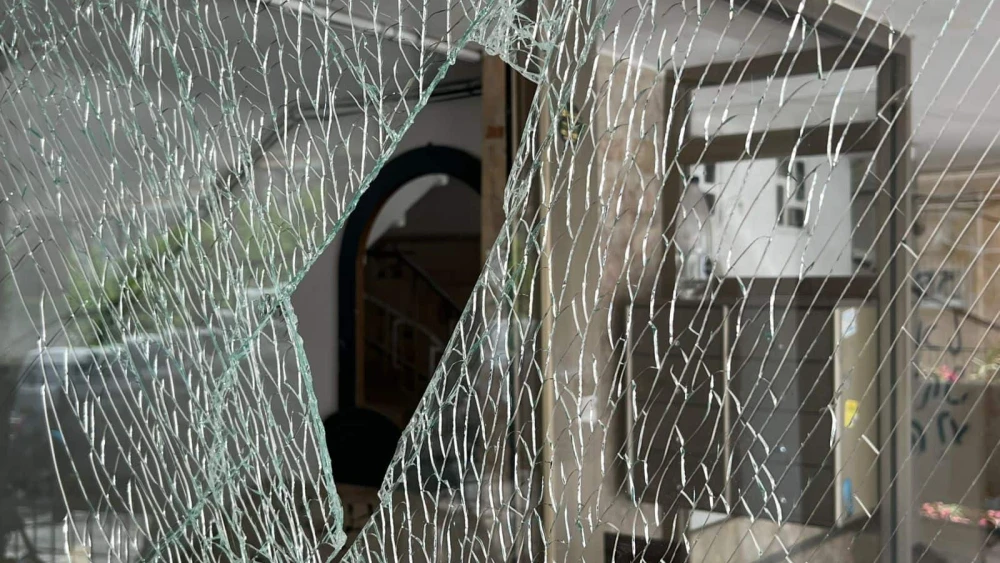
Reflecting on the Iran war, he said, “It was incredible to be here in Israel. This is my second huge war. It reminded me of the Scud missiles that were shot here in 1991. The world really doesn’t understand what is going on, especially in South Africa, where only one side is reported.”
He added, “It is actually quite remarkable and even though countries in the West don’t want to admit it, Israel is defending the West. They keep complaining about it, but Israel has to defend itself.”
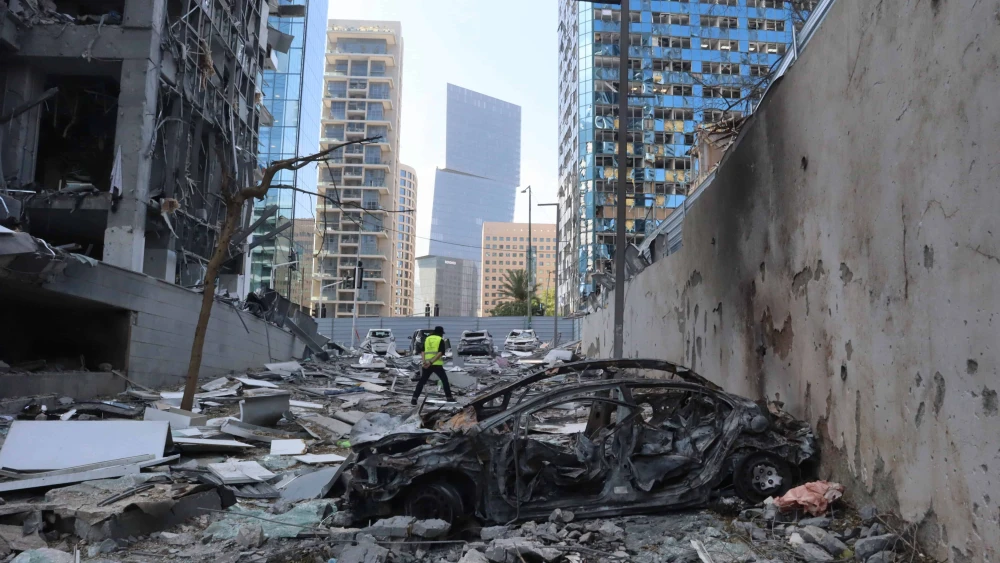
Ossendryver documented various sites directly impacted by the Iranian missiles across Israel, from Bat Yam, Ramat Gan and Rishon Letzion to Tel Aviv and Beersheva.
The damage caused by direct impacts was immense. According to official figures, the Iranians fired more than 500 ballistic missiles, killing 28 people and wounding 3,343, who were treated at hospitals across the country. Buildings and neighborhoods were destroyed. Many of the areas impacted now have to be bulldozed and cleared to create new housing developments.
“Buildings, shops and houses were destroyed, but the miracle was that even though there were some deaths, the death toll was very low,” Ossendryver said.
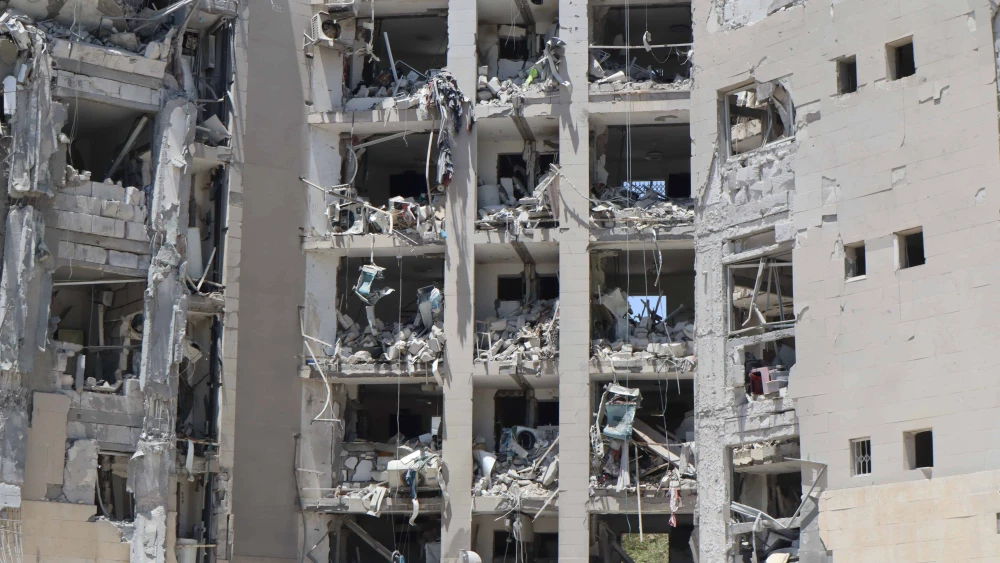
Operation Rising Lion, sometimes called “The 12-Day War,” tested the nation’s collective resilience. Ossendrywer said he was impressed by the Israeli people, who remained strong and determined, despite the trauma that had pervaded the country since Oct. 7.
“The lasting impression for each of the impact sights was the resilience of the Jewish people, the Israeli people, who didn’t scream hate, who didn’t call for death, but said plainly, ‘We shall rebuild and our hearts are still beating.’”