If resolve, resilience and unity were all it took to win a war, Israel would have completely overwhelmed Hamas by now.
One week after the Jewish state sustained the worst blow against its civilian population in history, Israel has become a living example of how a traumatized nation moves forward.
Every day, more names of the 1,300 Israelis murdered by Hamas are made public. Just like after 9/11, the headshots and brief bios of those killed cover pages of newspapers and websites; public buildings, private residences, main squares and cars are festooned with huge national flags.
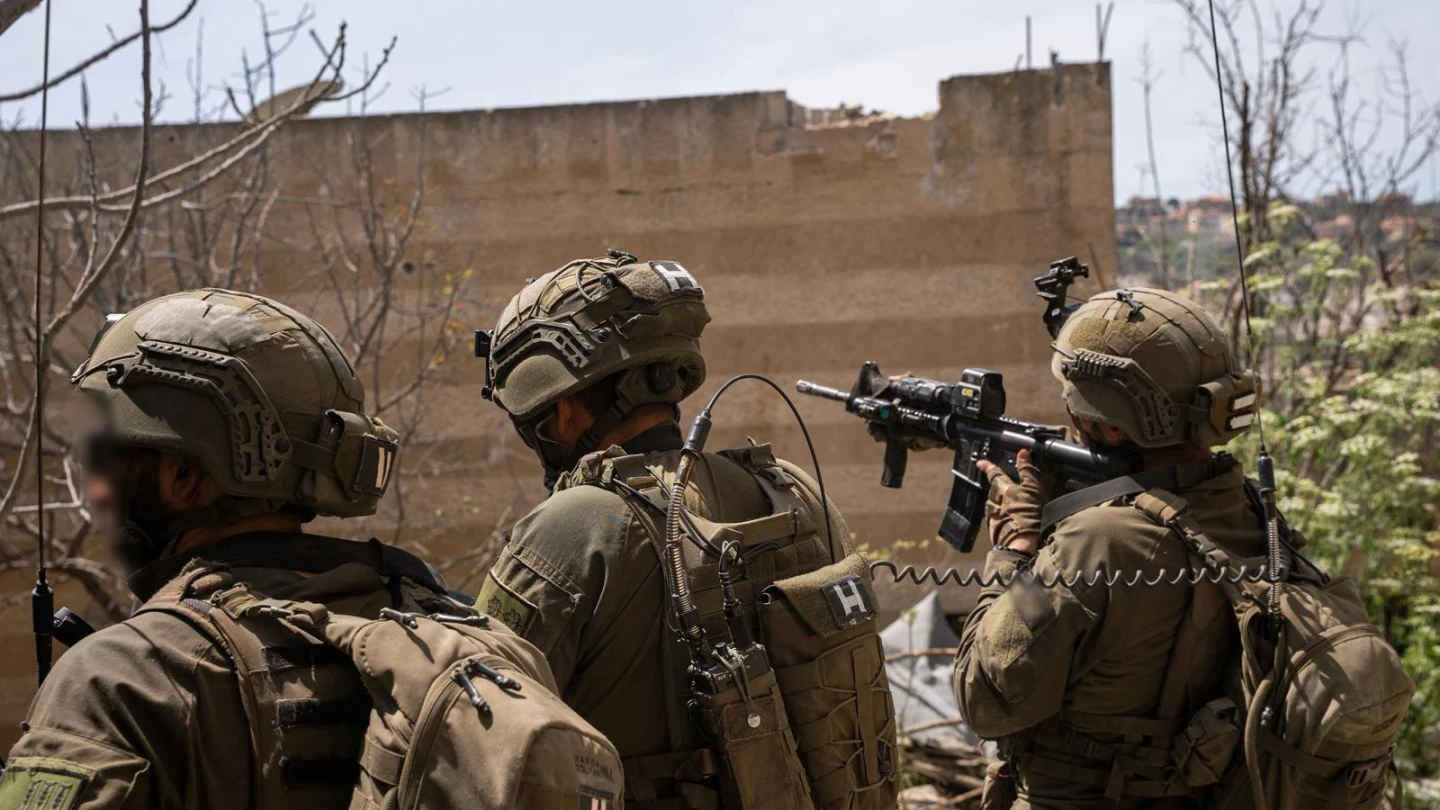
But despite the lack of sleep most Israelis report, almost everyone who has not been called up to military service feels compelled to be actively involved in some way in support of the security forces or the traumatized families who have lost loved ones and their homes. We are all reservists now.
Many parents of IDF soldiers organized their own efforts to bring supplies to their kid’s units. Sam Amiel of Tel Aviv heard from his son Elie serving in northern Israel that his unit of reservists was called up so unexpectedly that they were missing headlamps, mobile generators and military watches. A quick round of fundraising centered on Amiel’s home community of Seattle and by Wednesday, Sam had managed to deliver the equipment directly to his son’s unit.
Restaurant owners all over the country have koshered their kitchens and volunteers work almost around the clock preparing meals for the security forces and homes for the elderly where regular kitchen staff have been called up.
In Beit Shemesh on Friday afternoon, a call went out a few hours before candle-lighting time that 200 soldiers would be stationed nearby over Shabbat. They needed food and drink for three meals, disposable plates, bedding and snacks. Within a few hours, two collection points were organized, and an army truck was needed to haul everything to the soldiers.
Teenagers have also found significant ways to contribute. Sometimes in ways that just a week ago would have seemed macabre. While schools across the country remain closed, many youth answered the call of burial societies to help dig graves.
At the military cemetery on Mount Herzl in Jerusalem last Tuesday night, 150 volunteers from the religious Bnei Akiva youth movement were joined by ultra-Orthodox youth who worked through the night digging graves for some of the 279 soldiers who have fallen.
Teenage girls have set up playgroups to keep younger kids occupied while parents try to work. Many playgrounds don’t have a protected space within close reach, so the girls must get creative to ask family and friends to allow their homes to be overrun by dozens of toddlers.
Another thing I never thought I’d see came from my travel agent. After I sent him a question by email last Tuesday, an automatic reply shot back with these chilling words, “My colleague’s daughter was slaughtered by terrorists; am attending her funeral.” A few hours later, he was back at his desk helping the hundreds of tourists trying to flee the war zone.
Israeli aid groups that are first in line to rush to humanitarian disasters all over the world are now using their expertise to provide support to their own countrymen.
Entire kibbutzim and moshavim lie abandoned. On Sunday morning, the government ordered the evacuation of all remaining citizens from the town of Sderot, population 31,000, for at least one week.
Just as in the immediate aftermath of Israel’s 2005 unilateral withdrawal from Gaza, thousands of uprooted Israelis are being housed in hotels in Eilat and the Dead Sea. Over the past week, hundreds of volunteers poured in to organize activities for kids, as well as distribute clothes, snacks and hygienic supplies.
Despite the military call-up that depleted their volunteer workforce, organizations like NATAN and IsraAID are on the ground with the displaced Israelis using their decades of expertise in trauma counseling and coordinating relief efforts.
“Our biggest concern from a humanitarian perspective is related to trauma and mental health—anxiety, stress, depression and post-traumatic stress disorder,” IsraAID CEO told journalists. “We know too well from our experience around the world that it is important to provide immediate support, such as psychological first aid and stress management. But it’s no less important—or even more important—to understand that there will be a long-term impact for these people.”
The Jerusalem Press Club offered psychological counseling to journalists who were allowed into the areas of the massacres early last week before many of the bodies were removed.
Several incidents of Arabs in eastern Jerusalem vocally calling for the murder of Jews or posting Hamas propaganda online led to a decision by the Jerusalem Municipality, which employs hundreds of Arabs, to fire anyone found to be inciting violence or supporting terror.
The IDF and other security forces are the only ones who stand between us and those who thirst for our destruction. They have the complete support of the nation and we, the domestic reservists, will do whatever humanly possible to help keep up their morale.
The dozens of videos and posts by soldiers singing, smiling, and yelling out thanks for the masses of goodies being showered on them show just how much we need each other.