Iran

A new JCPOA-style agreement risks misreading the region’s trajectory: it would not stabilize the Middle East but re-empower Iran at the precise moment when its regional project is weakening.

The Palestinians were in the Islamic Republic to participate in the Tehran Dialogue Forum conference.
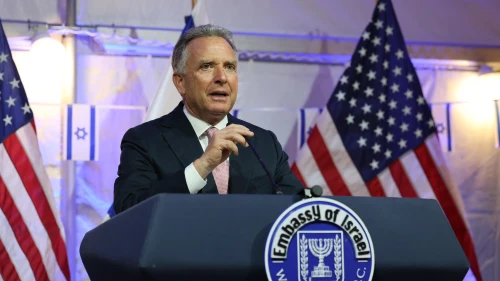
The U.S. special envoy reiterated that the Trump administration “will not allow” Tehran to produce a nuclear bomb.
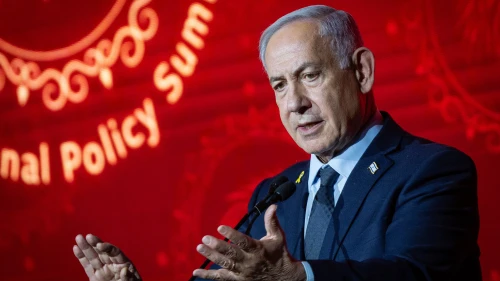
The prime minister vowed that the campaign against Yemen’s Houthis was “not over” and issued another warning to Tehran.
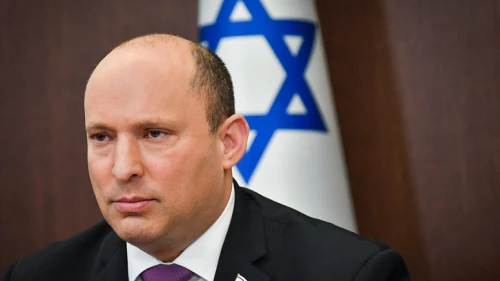
The suspect, identified as Moshe Atias, 18, is alleged to have conducted “a large number of different missions” for Iran, knowing they could harm state security.
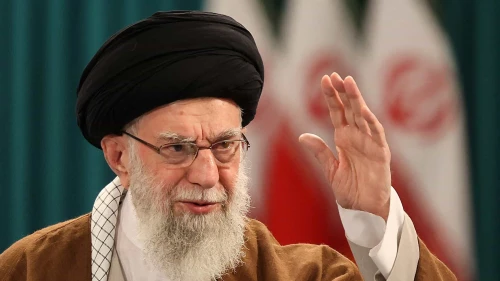
The ayatollah berated Trump as a liar who uses power to “massacre Gaza.”
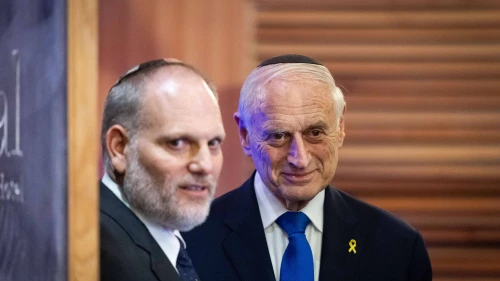
The Iranian American Jewish Federation “has long stood at the heart of Iranian Jewish life in America,” the umbrella group’s chair stated.

The U.S. official told the “Fox News” host that “our problem is not with the Iranian people” but “a clerical regime behind every problem in the region.”

Officials from Tehran and three signatories to the 2015 accord will gather in Istanbul for the first time in months to restart discussions.

“The scope and breadth of Iran’s nuclear buildout have made it impossible to verify any new deal that allows Iran to continue enriching uranium,” House and Senate Republicans wrote.
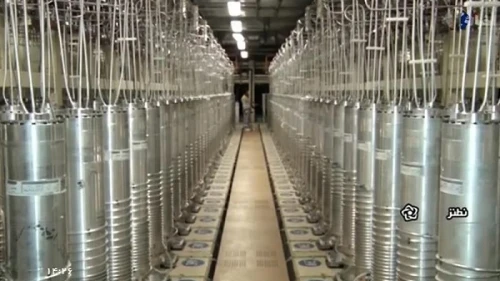
While a recent report claiming to expose a new nuclear site is met with doubt, Iran’s enrichment activities are believed to be alarmingly advanced.

These sanctions are intended to “delay and degrade” Iran’s ability to research and develop nuclear weapons, U.S. Secretary of State Marco Rubio said.