A former U.N. soldier in Southern Lebanon told the Danish tabloid B.T. on Sunday that during his service there 10 years ago, “we were totally subject to Hezbollah.”
The Danish citizen, who the article named “Michael,” was deployed as part of UNTSO (U.N. Truce Supervision Organization), which works closely with the U.N. Interim Force in Lebanon, or UNIFIL.
UNTSO is tasked with observing and reporting violations of U.N. Resolution 1701, which ended the Second Lebanon War in the summer of 2006 and calls on the Iranian terror proxy to disarm and not venture south of the Litani River, which flows east to west and runs parallel to the Israeli-Lebanon border.
“We were totally subject to Hezbollah,” says Michael. “We clearly had limited freedom of movement. For example, we never operated after dark for fear of Hezbollah. So they had free time in the evening and night hours.”
He emphasized that he was speaking for himself as a private individual and not on behalf of UNTSO. He said when he and his colleagues at UNTSO and UNIFIL would drive around different cities in Southern Lebanon, Hezbollah members would often stop them when they were attempting to enter areas where they believed that Hezbollah might be operating.
“They simply blocked the road. They were not visibly armed but aggressive, and it was quite clear that they were members of Hezbollah. We knew very well who decided things, especially in the Shi’ite cities. They didn’t want us to see what they were doing,” said Michael.
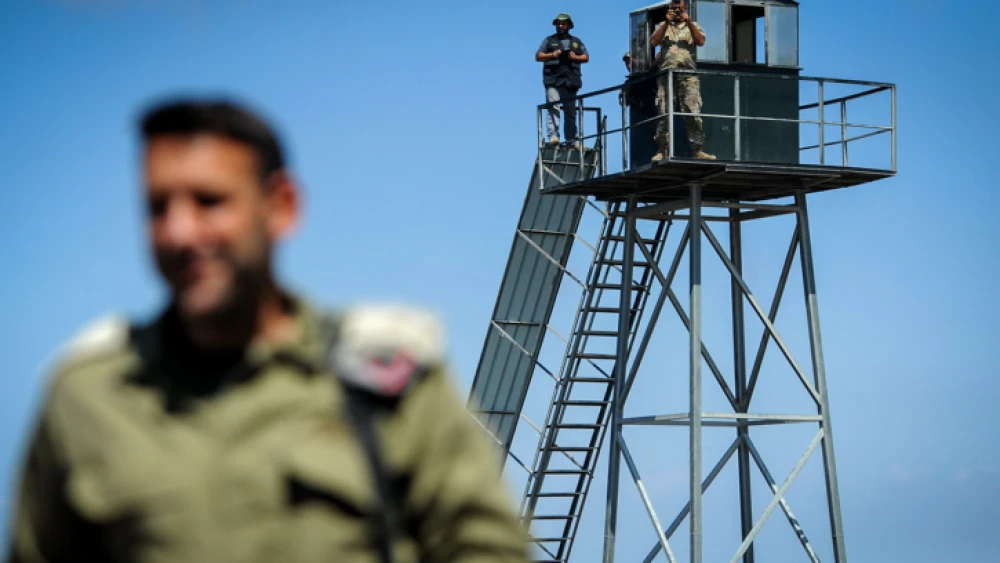
“When we patrolled the Blue Line, we often saw ‘civilians’ very close to the Israeli military installations taking pictures. When that happened, we withdrew and observed from a distance; we were simply instructed to do so,” he added.
They were not allowed to document any of the activities.
“It was forbidden to film and take pictures. And if we did, we could end up with the locals confiscating our cameras. It happened to my colleagues in UNIFIL and UNTSO,” he said.
He also discussed Hezbollah’s control of Southern Lebanon.
“The civilians who did not care about Hezbollah, especially the Christians, were afraid to speak out against them. There was a widespread fear of them. But at the same time, we experienced cooperation with the Shia Muslims. For example, we had a number of interpreters who were indoctrinated into Hezbollah. I ended up throwing one of them out of my car once while he was praising Hassan Nasrallah. I simply didn’t want to listen to it,” he recalled.
Michael described how no actions were taken against the violations of U.N. Resolution 1701.
“We reported daily violations of Resolution 1701 to our superiors, including restrictions on our freedom of movement, and we were instructed to report all violations regardless of number. But nothing ever happened,” he said. “We did not hear back from them, and nothing was initiated. It was wildly frustrating and only confirmed what I had experienced in other countries I was posted to: The U.N. is incompetent.”
Report: Hezbollah paid UNIFIL to use positions
Citing security sources, Israel Hayom reported on Sunday that Hezbollah terrorists who have been captured admitted during interrogations that the terror group paid money to UNIFIL in exchange for using their positions in the region.
The sources also said that Hezbollah took control of UNIFIL surveillance cameras in compounds near the Israeli border and utilized them for their own purposes.
These alleged bribes and use of UNIFIL equipment violate its mandate. According to the report, given the accusations that it is collaborating with Hezbollah, Israel will not work with UNIFIL on any future arrangements for Southern Lebanon but with the Lebanese army.