The Israel Defense Forces is evacuating civilians from towns and villages located near the border with the Hamas-ruled Gaza Strip.
The communities include the village of Ibim, Moshav Netiv HaAsar and a slew of kibbutzim: Nahal Oz, Erez, Nir Am, Mefalsim, Kfar Aza, Gevim, Or HaNer, Yad Mordechai, Karmia, Zikim, Kerem Shalom, Kissufim, Holit, Sufa, Nirim, Nir Oz, Ein Hashlosha, Nir Yitzhak, Be’eri, Magen, Re’im, Sa’ad and Alumim.
“Further evacuations will be carried out according to the assessment of the situation,” said the military.
"חרבות ברזל"
— צבא ההגנה לישראל (@idfonline) October 8, 2023
מצורפת רשימת היישובים צמודי הגדר המעודכנת:
נחל עוז, ארז, ניר עם, מפלסים, כפר עזה, גבים, אור הנר, איבים, נתיב העשרה, יד מרדכי, כרמיה, זיקים, כרם שלום, כיסופים, חולית, סופה, נירים, ניר עוז, עין השלושה, ניר יצחק, בארי, מגן, רעים, סעד ועלומים
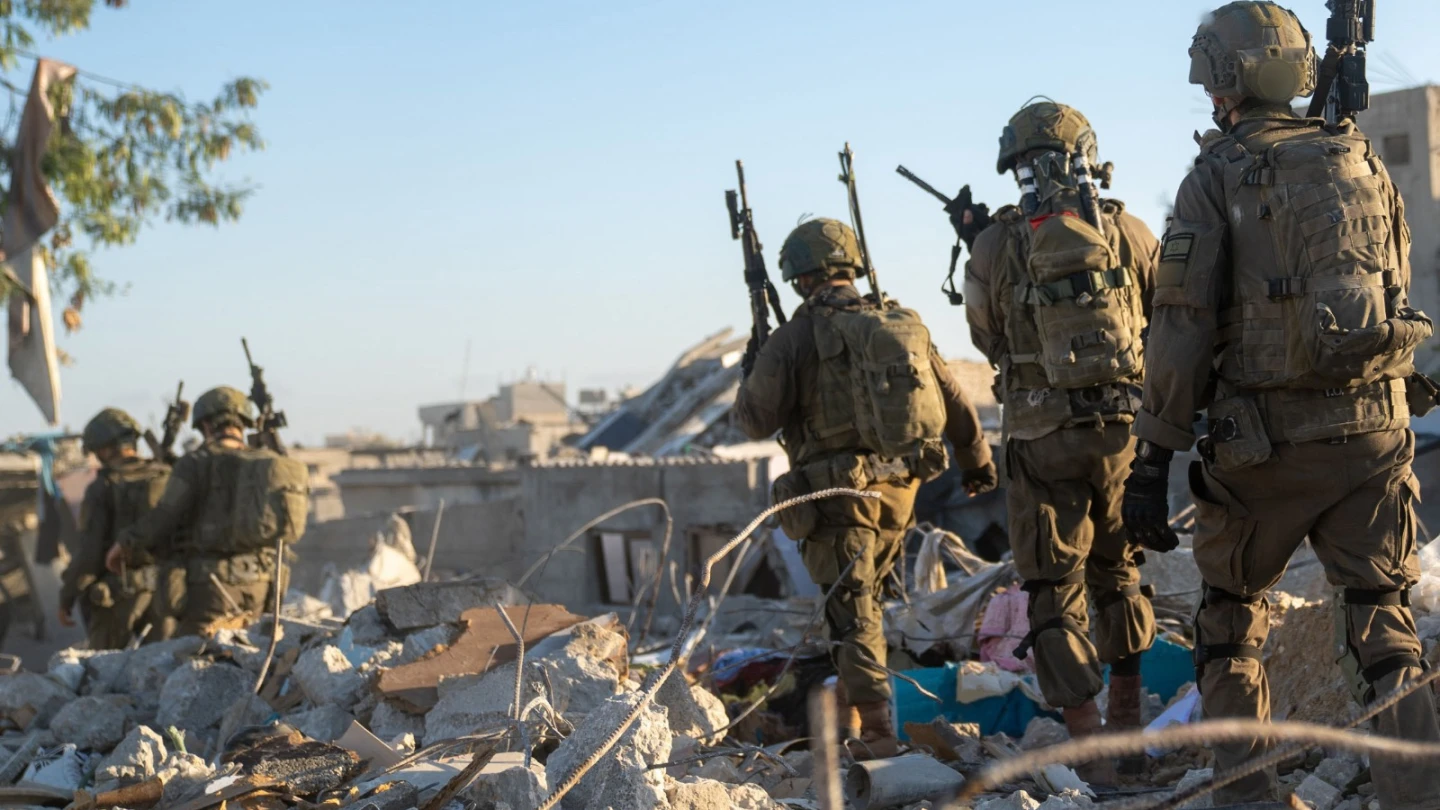
IDF Spokesman Rear Adm. Daniel Hagari said, “Our mission for the upcoming 24 hours is to evacuate all residents living around Gaza” to enable a “scan of the territory” to ensure no terrorists remain.
“There are tens of thousands of combat soldiers in the area. We’ll reach each and every community and kill every terrorist in Israel,” said Hagari.
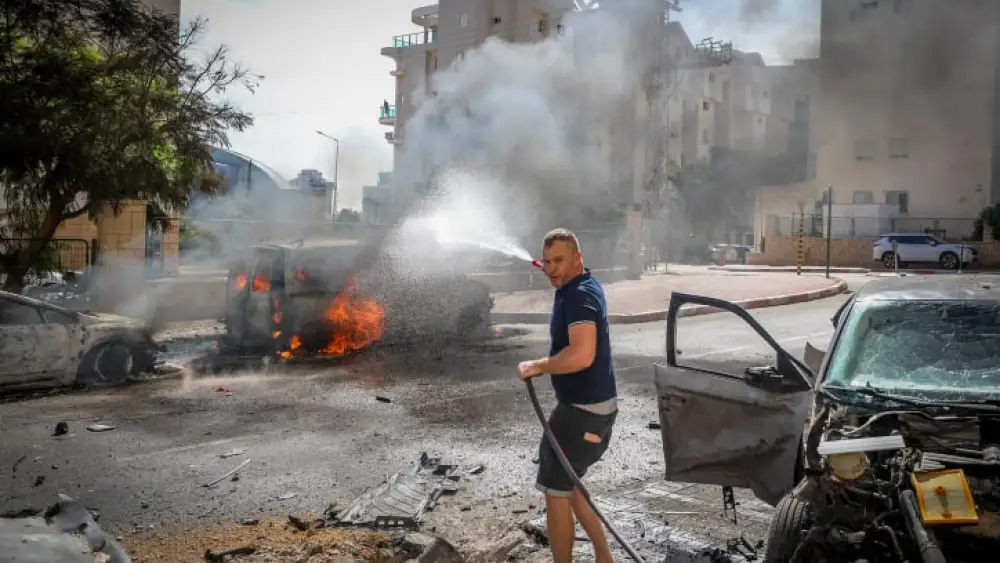
Hamas murdered at least 700 Israelis and wounded more than 1,800 on Saturday in a massive offensive launched from the Gaza Strip, including firing thousands of rockets and sending dozens of terrorists to infiltrate the Jewish state.
Of the 1,864 wounded, 19 remain in critical condition, the Israeli Health Ministry announced on Sunday morning. In addition, 326 Israelis sustained severe wounds, while 359 were moderately wounded.
Hamas claims to have taken 163 Israeli captives to Gaza.
Overnight Saturday, Palestinian terrorist groups in the Gaza Strip continued to fire rockets at Israel’s southern region, with a direct hit scored on Ashkelon’s Barzilai Medical Center. The projectile struck a bridge between hospital buildings and no casualties were reported.
Twenty-eight Israelis were hurt in rocket attacks overnight, the Magen David Adom emergency service announced, with two listed as being in serious condition.
Meanwhile, security forces, including 35 IDF battalions, continued their search for Hamas infiltrators throughout southern communities. Following a day-long standoff, hostages were freed in Kibbutz Be’eri and the city of Ofakim.
Israel’s Security Cabinet early on Sunday morning made a series of decisions marking the start of the offensive phase of “Operation Swords of Iron,” ordering the IDF to prepare for the “destruction of the military and governing capabilities of Hamas and [Palestinian] Islamic Jihad.”
“We are embarking on a long and difficult war that was forced on us by a murderous Hamas attack,” said Prime Minister Benjamin Netanyahu.
“We will restore security to the citizens of Israel and we will win,” he vowed.
Israeli security forces have killed more than 400 Palestinian terrorists, and captured dozens more, since Hamas launched its multi-pronged attack on Saturday morning.
The Israel Air Force on Sunday morning expanded its list of targets in the Gaza Strip.
“All symbols of Hamas’s rule are under attack,” said Hagari, warning the terrorist group of “heavy fire that will intensify in the hours to come.”