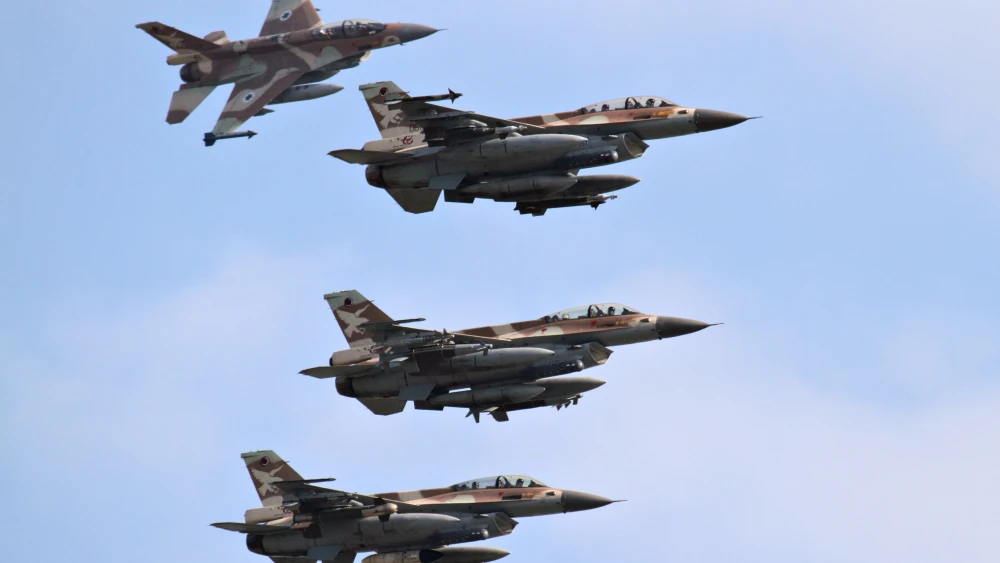
The Israeli Air Force on Friday killed Muhammad Hamza Shahada, intelligence chief of Hezbollah’s elite Radwan Force, in a strike near Aadloun in southwestern Lebanon’s Sidon District.
Shahada played a key role during the current war in strengthening the Radwan Force’s capabilities and operational readiness, the IDF said.
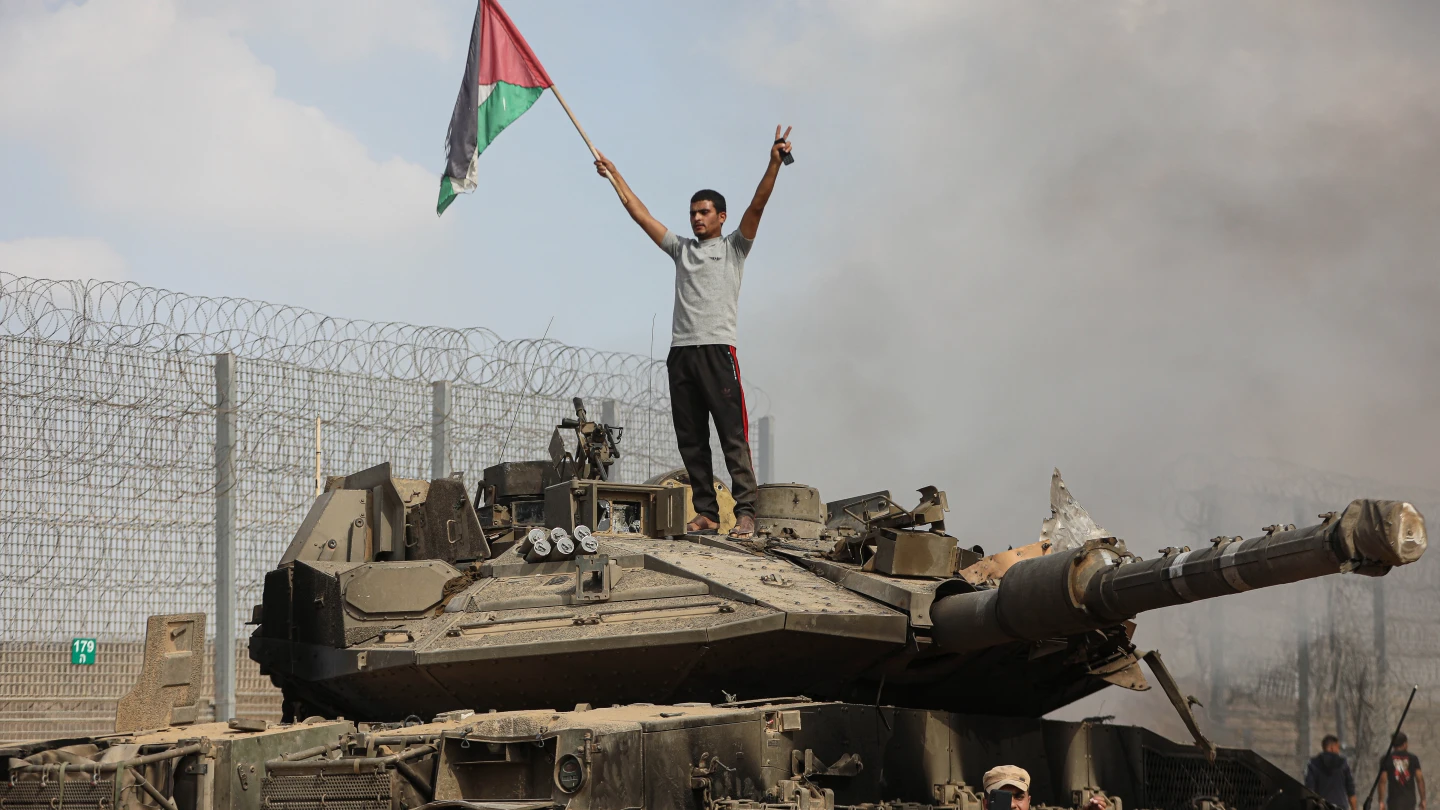
The elite terrorist force for years trained to invade northern Israel and seize communities under a plan known as “Conquer the Galilee,” on which Hamas modeled its Oct. 7, 2023, cross-border massacre in the northwestern Negev.
“[Shahada’s] actions constituted a violation of the understandings between Israel and Lebanon,” the military said in a statement. “The IDF will continue to operate to remove threats posed to the citizens of Israel.”
On Saturday, the IDF “struck and eliminated” a Hezbollah terrorist who had been gathering information on troop movements in the area of Aynata in southeastern Lebanon, the military announced.
“The terrorist’s actions constituted a violation of the understandings between Israel and Lebanon,” it stated. “The IDF will continue to operate to remove threats posed to the citizens of Israel.”
The Israeli military on Thursday targeted and killed Muhammad Wishah, aka “Abu Khali,” a senior Syrian terrorist in the Popular Front for the Liberation of Palestine, in Lebanon’s Beqaa Valley. He was appointed head of the PFLP’s Military-Security Department in Syria, after his predecessor, Shantal Al Aal, was killed in a hideout in Beirut in September 2024.
“The PLFP is a long-standing terrorist organization with a history of carrying out various terrorist attacks against Israelis in Israel and around the world,” the IDF said.
On Wednesday night, the army attacked Hezbollah targets in Southern Lebanon, hitting weapons storage facilities, a missile launcher and engineering equipment used to rebuild terrorist infrastructure.
A day earlier, Israel killed senior Hezbollah commander Hassam Qassem Ghrab in an airstrike in the Beqaa Valley. Ghrab was responsible for directing terrorist cells in Syria that were planning rocket attacks on the Golan Heights.
The counter-terror operations come as Beirut continues efforts to remove weapons from non-state actors, primarily Hezbollah. The process was prompted by U.S. demands for the Lebanese government to disarm the Iranian terrorist proxy.
Hezbollah began launching missiles and drones into northern Israel on Oct. 8, 2023, the day after the Hamas-led massacre.
Last fall, Hezbollah’s leadership suffered significant losses from a series of Israeli operations targeting its communications equipment, followed by intense airstrikes on its rocket arsenal.
A fragile ceasefire between Israel and Lebanon took effect on Nov. 27.