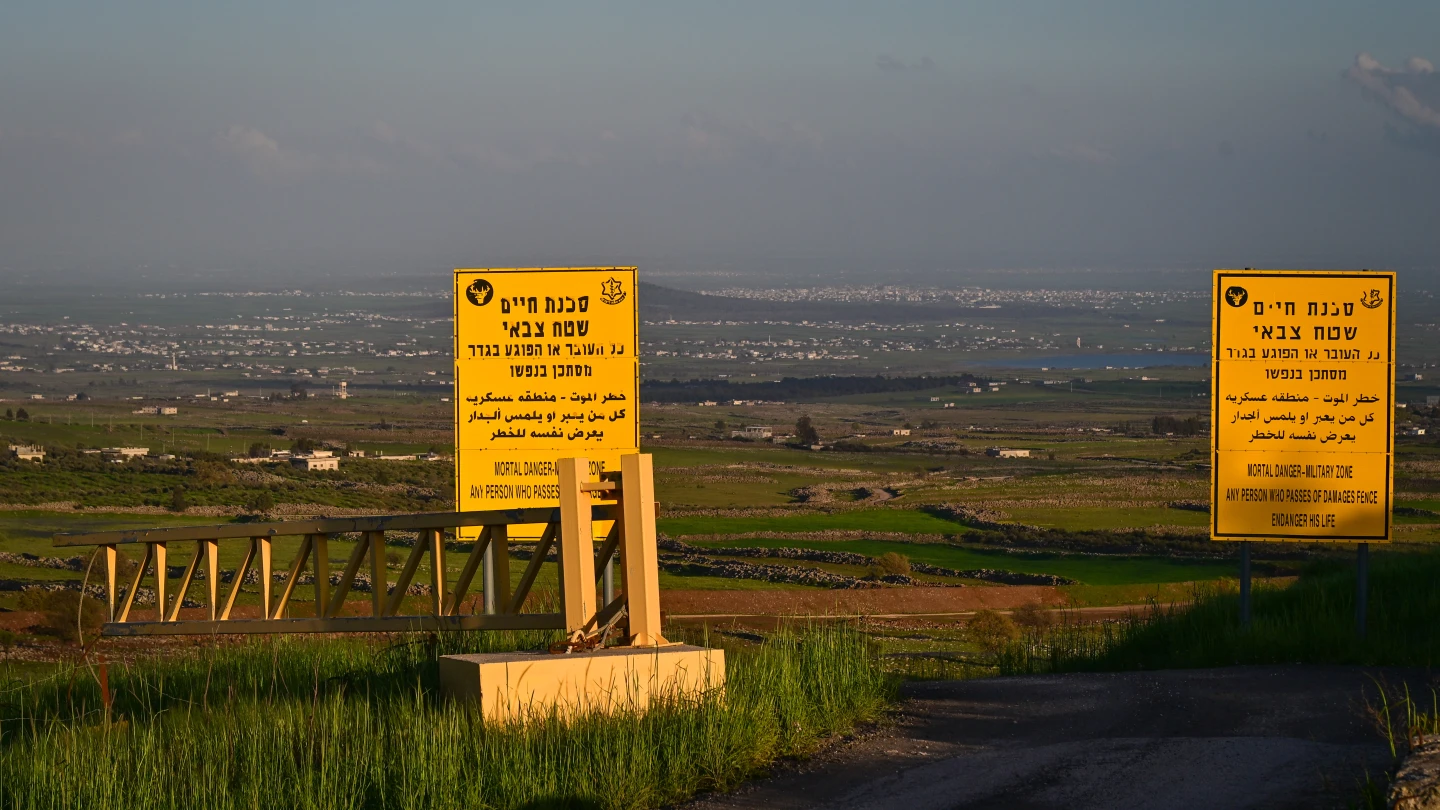
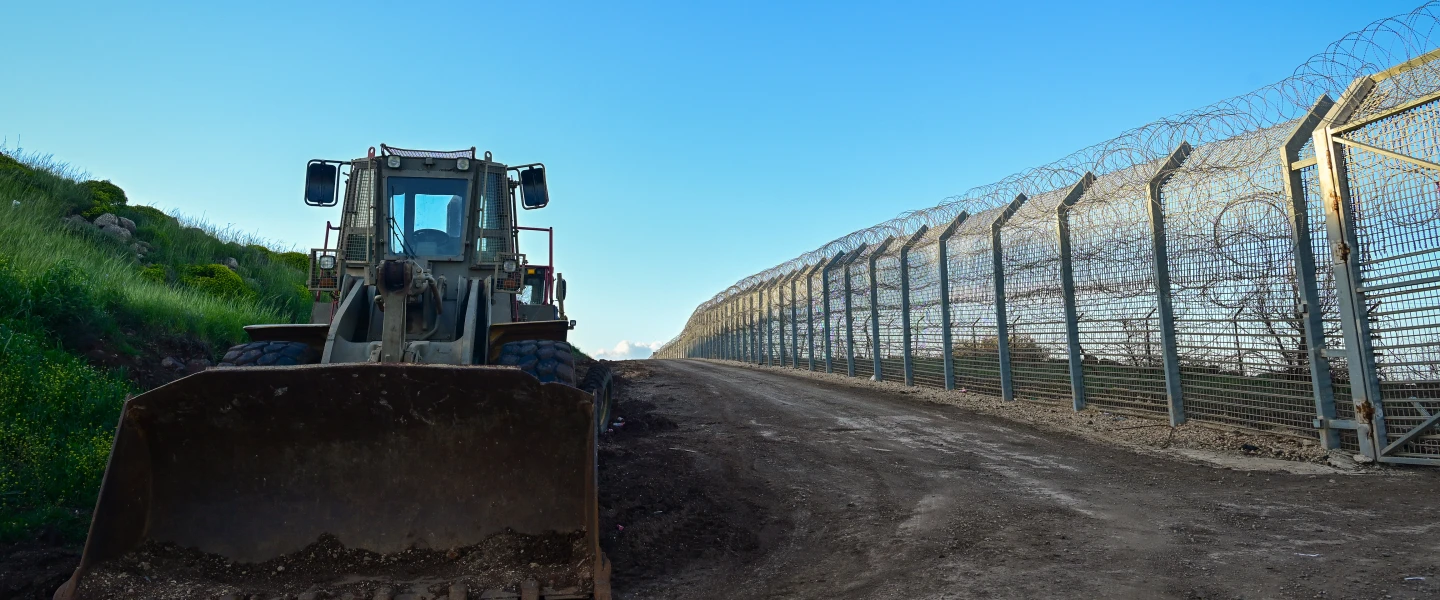
Fifty-eight years after Jerusalem took control of the Golan Heights from Syria during the 1967 Six-Day War, Israeli authorities have completed mine clearance work at the former Syrian army outpost of Ein Almin.
The former outpost, which was abandoned by Syrian troops during the fighting and is one of the largest Damascus built before 1967, will be open to the public during the Sukkot holiday, which starts on Oct. 6.
During excavation work, the Mine and UXO Clearance Authority in the Israeli Ministry of Defense removed 600 different munitions, including grenades, mortar shells of various sizes, RPGs and Kalashnikov rifles.
The complex covers some 11 acres and includes trenches, underground bunkers and 15 above-ground buildings that were used by Syrian forces.
The area also features an “officers pool” constructed by the Syrian army before 1967. The rectangular basin, measuring roughly 20 feet across and up to three feet deep, is filled year-round by the natural spring.
“We invite the people of Israel to join us this coming Sukkot and see up close the work of mine clearance and, for the first time in history, enjoy an area that had been closed to the public for decades,” said Mine and UXO Clearance Authority head Shachar Beck in a statement Monday.
“The goal is to allow the public to safely hike in various tourist sites, expand agricultural land and enable the construction of tens of thousands of industrial and residential buildings,” added Beck.
Sukkot, also called the Feast of Booths or Tabernacles, is a week-long festival that commemorates the Israelites’ wanderings in the desert. In 2025, Sukkot begins at sunset on Oct. 6 and ends Oct. 13.