Newsletter
Newsletter Support JNS

Israeli health minister proposes halving mandatory COVID quarantine

Several other countries, including the U.S. and U.K., have already shortened the quarantine period, but Health Ministry officials remain divided on the issue.

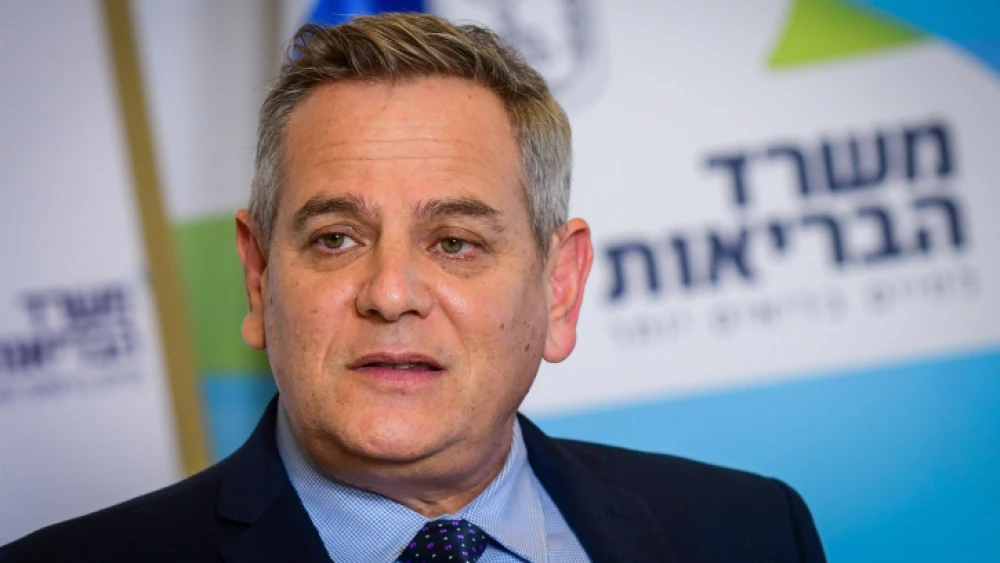
Israeli Health Minister Nitzan Horowitz speaks during a press conference near Tel Aviv, on Dec. 30, 2021. Photo by Avshalom Sassoni/Flash90.

Israeli Health Minister Nitzan Horowitz proposed on Sunday that the mandatory COVID-19 quarantine period be reduced from seven to five days. The proposal would also shorten the quarantine period for those exposed to a confirmed COVID patient.

Currently, infected individuals are required to self-isolate for 10 days, pending two negative tests taken 48 hours apart. Cases of suspected exposure require a week’s isolation, pending two negative tests.

While several other countries, including the United States and the United Kingdom, have already shortened the mandatory quarantine period, according to Kan 11 News Israeli Health Ministry officials are divided on the issue.

“We are exploring the possibility of shortening the isolation for staff at medical institutions and other essential positions, and we will do so responsibly,” Health Ministry Director-General Nachman Ash said on Sunday.

This is a version of an article that first appeared in Israel Hayom.

Pramila Patten also boasted that she had informed the Israeli mission to the United Nations that she would refuse to visit its detention facilities “even if they offered.”
The accord is the latest sign of the newly strengthened relations between the countries.
The Israeli singer “crossed generations, communities and sectors, becoming an inseparable part of the soundtrack of our lives,” Prime Minister Netanyahu said.
“In the Gaza Strip, we are clinching Hamas from all sides. ... We don’t allow them to arm themselves or harm us, and we also eliminate their senior commanders,” the premier said.
The Bank of Israel stepped in to protect high-tech exporters from a currency that their own success created.
Authorities on Crete detained a 37-year-old man suspected of ties to the Islamist organization and planning attacks, including against Israeli targets.