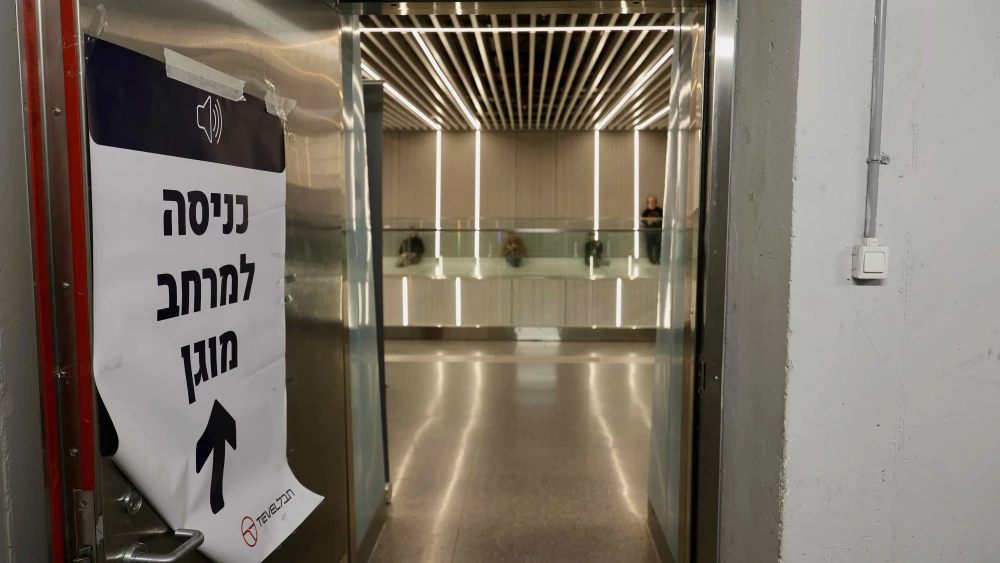
Due to the current hostilities with Iran, the American Jewish Joint Distribution Committee (JDC) announced a number of crisis response activities in Israel. They include the deployment of emergency-response and mental-health resources for Israelis under fire, coupled with its ongoing work to keep Jewish communities around the world resilient in the face of rising tensions.
As people gather in bomb shelters, JDC’s specialists are working in hundreds of municipalities around the country. The agency has widely deployed its digital emergency-response and mental-health resources to help Israelis get through these early hours and days of the conflict.
Local first responders throughout the country are using emergency supplies and emergency training that the organization provided last June during the 12-day war with Iran. If needed, JDC will expand its comprehensive housing program to aid those who lost homes in attacks.
It is also coordinating with Jewish communities around the world at this time of heightened tensions, leveraging the work the global organization has done and the resources it has put in place to help them feel secure and supported, so they can respond with resilience to what may come.
Those with family and friends in Israel can direct them to the agency’s digital emergency-response and mental-health resources found here: jdc-israel-digital.tiiny.site.