In the backdrop of unprecedented challenges facing communities, particularly in the north and south, during Israel’s ongoing multifront war, the Kibbutz Movement Rehabilitation Fund hosted the Leil Chanaya (“Night Encampment”) conference at the Shefayim Hotel, north of Tel Aviv, on July 30-31.
The conference placed field-level leaders at the center of the process to develop professional, communal and actionable responses to the recovery and long-term revitalization of kibbutz life.
The gathering brought together key representatives from kibbutzim across the country, especially in the periphery—the first time such a wide representation of leaders has convened for a joint effort of this kind. Structured as an intensive, summer camp-style program, it combined strategic planning with tools to build resilience.
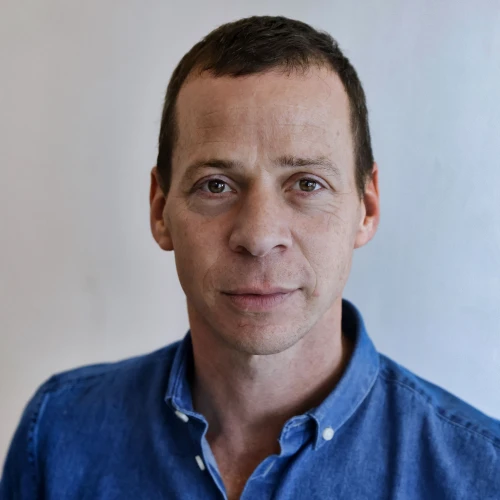
Neri Shotan, CEO of the Kibbutz Movement Rehabilitation Fund, said: “The government sees the big picture, but it doesn’t always see what’s happening inside each individual kibbutz. Our direct connection with the field helps us identify real challenges and offer tailored solutions. Our goal is not only to rebuild but to grow, innovate and ensure a sustainable future for kibbutz life.”
Participants engaged in mentoring and brainstorming focused on social, educational and economic rehabilitation. Core sessions were dedicated to identifying pressing challenges, reviewing existing solutions and designing scalable responses, supported by expert facilitators and wide inter-kibbutz collaboration. Throughout the discussions, an understanding emerged: The responsibility for recovery and renewal rests first and foremost with the kibbutzim themselves.
Key areas of focus included economic growth initiatives for individual kibbutzim and their surrounding regions; rebuilding and expanding educational systems; and managing the complex process of returning displaced residents to their communities. A central theme was the recognition that kibbutz communities must take the lead in shaping their own recovery and future, relying on initiative and solidarity.
Participants also engaged in sessions and workshops designed to strengthen personal resilience, including wellness and yoga sessions, reflecting the understanding that rebuilding begins with the individual.
The conference’s name, “Leil Chanaya,” was inspired by the well-known work by Warsaw-born Israeli poet Natan Alterman (1910-1970), which reflects the moment of pause between battles—a time of tension, reflection and cautious hope.
As in the poem, the vision that emerged from the conference is grounded in connection to the land, mutual responsibility and a determined commitment to move forward, despite adversity.