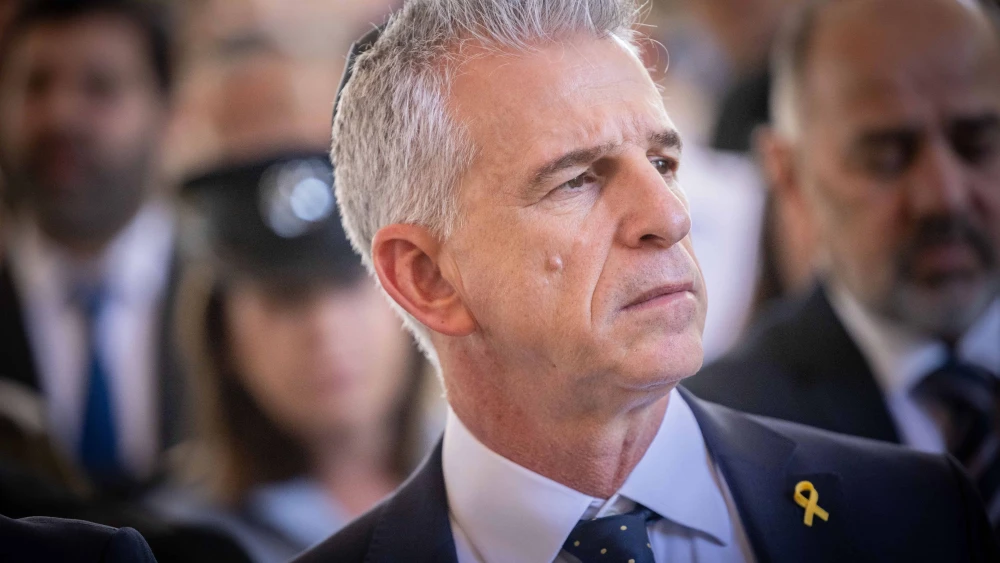
The head of Israel’s Mossad intelligence agency was in Doha on Monday to resume negotiations for the release of the 101 hostages still being held in the Gaza Strip, after a nearly two-month lull in talks.
CIA Director Bill Burns and Qatari Prime Minister Mohammed bin Hamad Al Thani are joining David Barnea for the latest round of discussions.
According to the office of Israeli Prime Minister Benjamin Netanyahu, the officials will discuss “the various possibilities to restart negotiations for the release of hostages from Hamas captivity, based on recent developments.”
The Doha talks are taking place a day after Egypt, another key mediator, proposed a two-day ceasefire that would see four hostages released.
According to Egyptian President Abdel Fattah el-Sissi, the proposal also includes the release of some Palestinian prisoners and the delivery of humanitarian aid into Gaza. The idea is to “move the situation forward” as talks continue for a more permanent ceasefire, he added.
There was no immediate response to the proposal from Israel, Hamas or Qatar.
On Oct. 24, Netanyahu’s office said that the prime minister “welcomes Egypt’s readiness to advance a deal for the release of the hostages.”
The statement continued: “Pursuant to the meetings that were held in Cairo, the Prime Minister has directed the Director of the Mossad to leave for Doha and advance a series of initiatives that are on the agenda, with the backing of the members of the Security Cabinet.”
Secret documents reveal Sinwar’s final orders
Secret documents purportedly written by slain Hamas leader Yahya Sinwar were published by the Palestinian paper Al Quds on Oct. 24, just over a week after his death.
According to the alleged instructions, written on three torn pages, Sinwar’s main objective was to secure the release of Hamas terrorists from Israeli prisons.
“Take care of the lives of enemy prisoners and secure them, since they are the bargaining chip in our hands,” Sinwar allegedly wrote, adding that those who carried out their “duty” would be rewarded.
“The duty of releasing our prisoners is not fulfilled except by guarding the enemy’s prisoners, and the reward for their release is recorded for the benefit of the Mujahideen,” he wrote.
The documents also mentions 112 unnamed hostages held in three areas:
Twenty-five in the central Strip, 51 in Rafah in the south, 14 in Gaza City in the north and 22 others in an unspecified region.
The document also contains the names of mostly middle-aged and elderly female detainees.