Newsletter
Newsletter Support JNS

Israeli scientists detect Parkinson’s markers years before symptoms

A new study, focused on skin cells, finds signature protein buildup that may open the door for early diagnosis of hte disease.

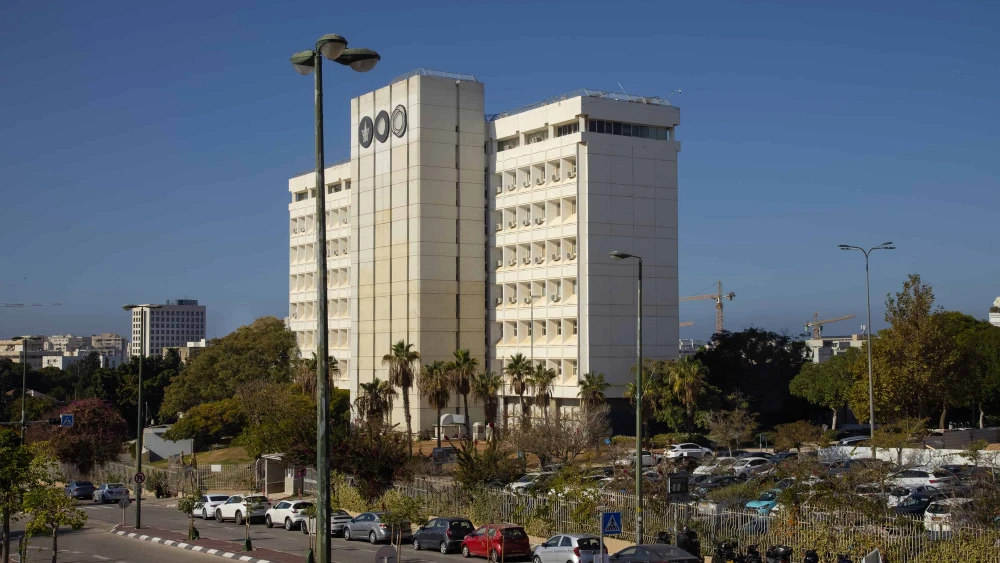
Tel Aviv University
Tel Aviv University in the city’s northern Ramat Aviv neighborhood, Dec. 16, 2022. Photo by Moshe Shai/Flash90.

Tel Aviv University researchers have discovered a novel method to detect protein aggregation, a hallmark of Parkinson’s disease, potentially enabling diagnosis up to 15 years before symptoms appear.

This early detection could lead to preventive treatments for at-risk individuals, particularly those with genetic mutations common among Ashkenazi Jews.

Led by professor Uri Ashery and doctoral student Ofir Sade, the team examined cells from Parkinson’s patients using super-resolution microscopy to detect abnormal aggregation of the alpha-synuclein protein, not in the brain but in skin cells.

Parkinson’s, which affects 8.5 million people globally, is characterized by the destruction of dopamine-producing neurons in the brain. By the time motor symptoms emerge, most of these neurons are already lost, making current treatments limited. The researchers hope that early identification of protein aggregation could prevent cell damage.
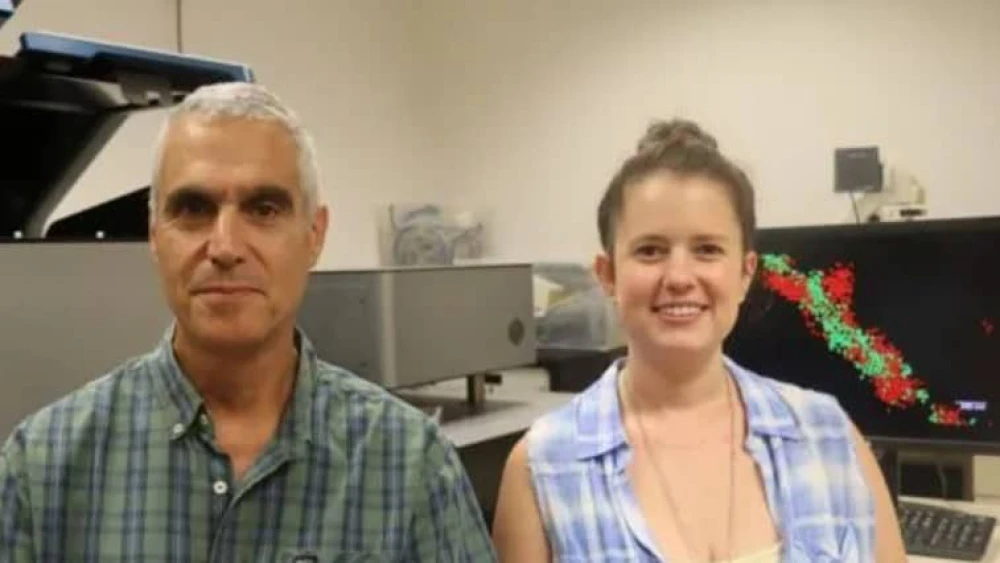
Prof. Uri Ashery and PhD candidate Ofir Sade. Photo courtesy of Tel Aviv University

The researchers said they had already observed promising results in studies on mice and were conducting clinical trials on humans.

Supported by the Michael J. Fox Foundation, the researchers aim to extend their findings to other neurodegenerative diseases.

There was never a question whether bar and bat mitzvahs were going to continue, says Rabbi Marla Hornsten at Temple Israel, despite the havoc that had teachers and children evacuate the building.
“We will not rest in the mission to stop the spread of radical Islam,” Texas Gov. Greg Abbott stated.
The panel conducts research on antisemitic activity and works with public and private entities on statewide initiatives on Holocaust and genocide education.
“If it’s something that families are attuned to, then I think it may be a good way to engage the kids on that level,” Rabbi Steven Burg, of Aish, told JNS.
“I was a little surprised at the U.K. to be honest with you,” U.S. President Donald Trump told reporters at the White House. “They should have acted a lot faster.”
“It is imperative that university administrators rise to the occasion to take a firm stand against antisemitism and racial violence,” Sen. Bill Cassidy wrote.
