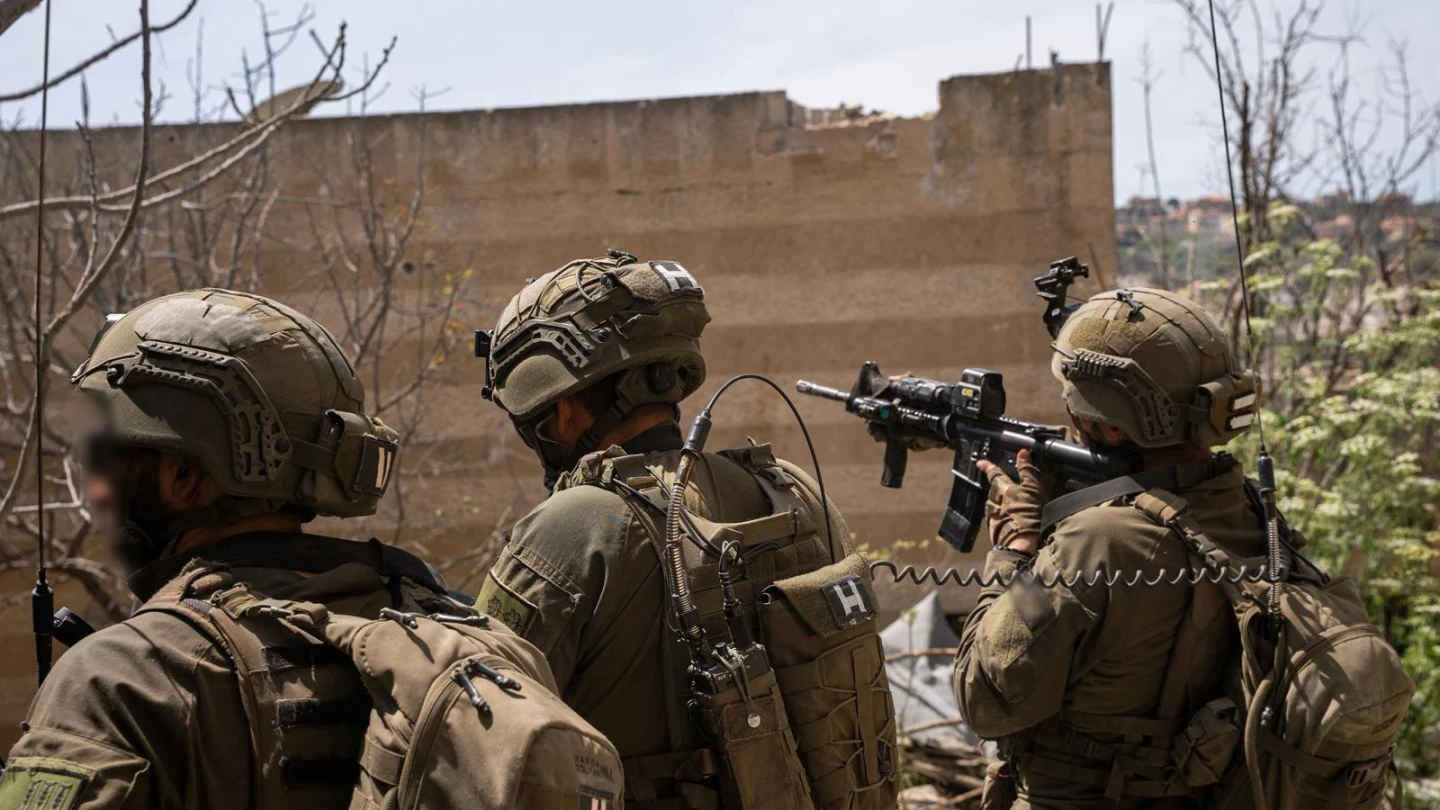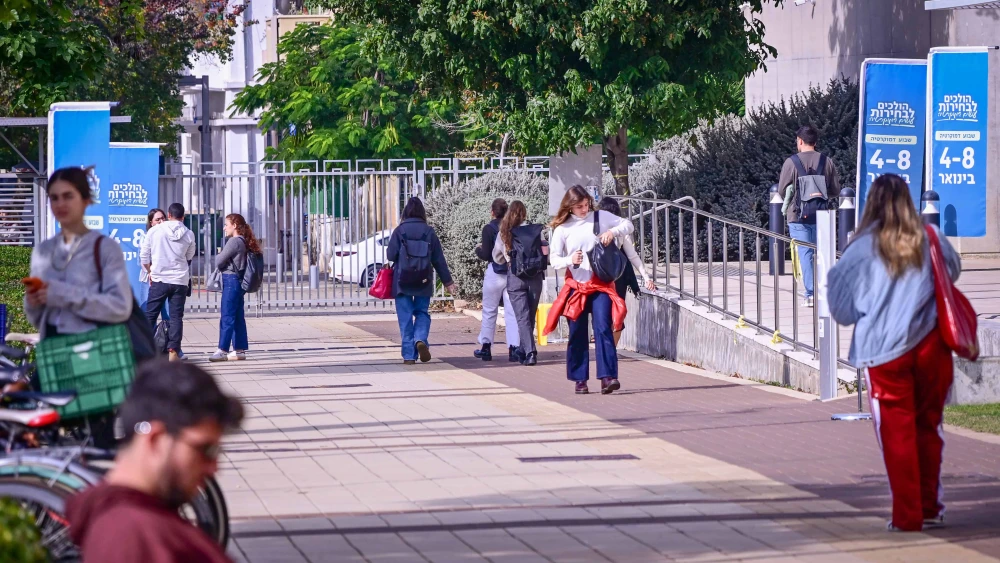
As U.S. and Israeli strikes on Iranian targets continue and air-raid sirens send Israelis rushing to shelters, thousands of international students are choosing to remain in Israel to continue their studies, volunteer and adjust to wartime realities.
According to the Israel Educational Travel Alliance, an initiative of the Jewish Federations of North America, nearly 5,500 participants, including roughly 3,000 Americans, on Jewish educational programs under the umbrella of Masa Israel Journey remain in the country.
Masa said in a March 8 update to parents that it continues to operate with “constant attention to the safety and well-being of all fellows,” while coordinating closely with Israeli security authorities.
Tal Bar-on Morali, global public relations manager for Masa, told JNS that during emergencies, “we help to make sure that everyone is safe and sound and that they’re aware of all the instructions of the formal authorities in Israel.”
While some participants have chosen to leave early, most are staying to continue their programs and volunteer in local communities, following safety directives from the Israel Defense Forces Home Front Command, according to IETA.
‘Powerful ode to life’s meaning’
Ellie Leybengrub, a student from Maryland studying at Reichman University in Herzliya, told JNS she decided to stay in Israel because “there is nowhere else in the world I would rather be, even if missiles are exploding above us.”
“I stayed because everyone in this country is my family, my brothers and sisters, and we will always stand together and support each other through every moment,” Leybengrub said. “The energy you feel here is unlike anywhere else in the world. We are strong, we are brave, and we are resilient.
“Between sirens, people are living their lives, celebrating life and love,” she added. “Where else could you find such a beautiful and powerful ode to life’s meaning?”
Ariana Balkany, a student from Washington state studying at the Machon Maayan seminary in Givat Washington, told JNS that she knew she would choose to stay no matter what.
“My mom’s gap year was the First Gulf War, and she stayed,” Balkany said. “I knew going into my seminary year, we were at war already, and there were multiple fronts to it.”
“Israel is the home to the Jewish nation, and I am staying,” she added. “I am grateful to be here at Machon Maayan. I am trying to have the resilience that is in the DNA of all Israelis.”
Balkany’s mother, Beth, told JNS that the seminary “pivoted quickly to the situation and is in constant contact with the students and parents as the situation evolves.”
“A Masa security coordinator came to campus to brief the girls directly,” she said. “She is lucky to be in a seminary that has large secure areas, and the girls even had a full Purim party with a DJ in the shelter. It never crossed my mind to bring her home.”
‘Greater appreciation for Israel’
Despite options for evacuation—including charter transportation through neighboring countries and assistance from the U.S. Embassy in Israel for Americans seeking to depart—some students say they did not even consider leaving.
Sam H., a student from New York City studying at Yeshivat HaKotel in Jerusalem’s Old City, told JNS he “didn’t even know there were chartered emergency flights.”
“Hashem’s presence is just so apparent during wartime, and the successes of the IDF give me an even greater appreciation for Israel,” he said.
Yishai S., a student from Florida who also attends the yeshiva, echoed the sentiment.
“I’m staying in Israel because at the end of the day, my safety is dependent on what Hashem wants and not where I am,” he told JNS. “The only control I have is whether or not I listen to Hashem’s words and stay in Eretz Yisrael or let the fear of powerless people push me away.”
Bar-on Morali told JNS that, for parents looking to bring their children home, she is cautioning against using unofficial evacuation routes through neighboring countries, particularly Egypt.
“We have not heard this is safe enough at this point,” she said. “We work with official government authorities—the Home Front Command and police and the IDF—and we work by their recommendations.”
“Their recommendation is it’s not safe yet to leave through Egypt,” she said.
“If people want to leave, we will do our best to help them leave as fast as possible,” Bar-on Morali said. “But also in the safest way possible, because safety and security is our top priority.”