Israeli Foreign Policy
The prospective ceremony will reportedly take place in the Lebanese town of Naqoura, located close to the shared border, with delegations from Jerusalem and Beirut finalizing the agreement in separate rooms.
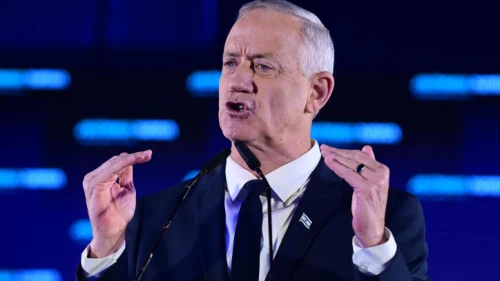
A day earlier, the Israeli minister told E.U. ambassadors that while Jerusalem stands with Kyiv, it will not provide it weapons.

Morocco, Jordan, and the UAE also represented at the International Summit on Food Technologies from the Dead Sea and Desert in Eilat.

“It’s in Israel’s best interest to assist countries that are countering the same enemy,” said Irina Tsukerman, a national security lawyer, explaining that Russia “has promoted relations with Hamas” and “has been cooperating with Iran at every level.”

Jerusalem has, however, offered a “life-saving” early warning system for aerial threats, the Israeli defense minister says.

The decision to reverse Australia’s recognition of western Jerusalem as Israel’s capital returned Canberra to the international mainstream, says Anthony Albanese.
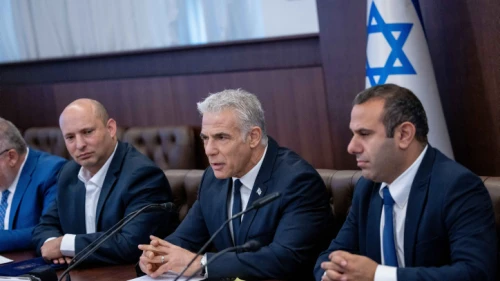
Prime Minister Yair Lapid was caught off-guard by Canberra’s decision to reverse the stance adopted by former Liberal Party prime minister Scott Morrison, says Israeli official.
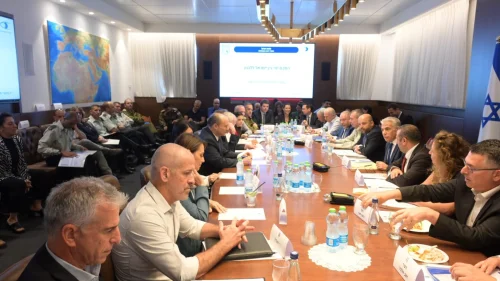
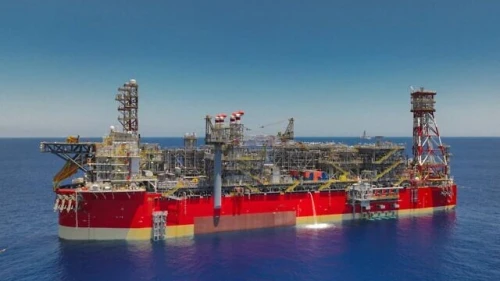
MP Gebran Bassil, the president’s son-in-law, says Beirut had “guarantees” that once a border accord was reached with Israel, the French firm would “restart its petroleum activities offshore.”
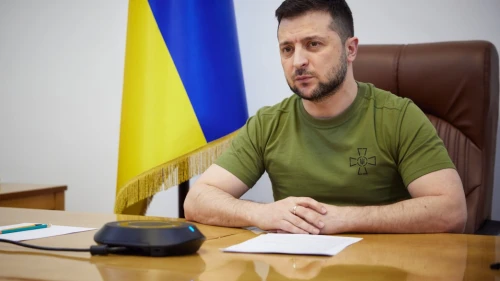
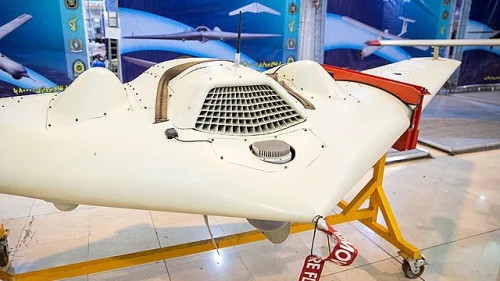
Kyiv’s FM also asked President Volodymyr Zelenskyy to cut ties with Tehran over its supply of suicide drones to Moscow.

Israeli Prime Minister Yair Lapid denounces Canberra’s move; Israeli Foreign Ministry to summon Australian ambassador.
IDF Military Intelligence Research Division members and Mossad researchers argue that any quiet achieved via the agreement would be temporary—report.
A private Israeli firm is also said to be sending Ukraine satellite imagery of Russian military positions.