Israeli Foreign Policy

Likud leader Benjamin Netanyahu opposes the agreement on the grounds that it sends money to Hezbollah and allows Iran to get its hands on the Qana gas field.

The Israeli ambassador in Berlin, Ron Prosor, condemned far-right politician Holger Winterstein for his disrespectful behavior.

Beirut and Jerusalem are set to approve the latest version of the proposal.
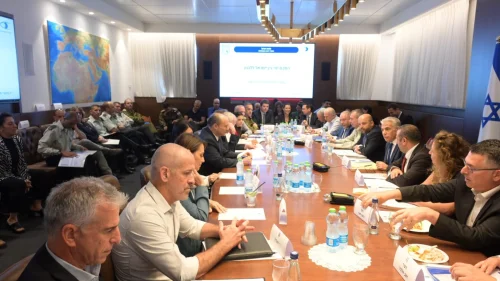
Interior Minister Ayelet Shaked abstains, providing the only dissent on the summary of the pact formulated by Prime Minister Yair Lapid.

Hezbollah chief Hasan Nasrallah voiced approval for the prospective agreement, saying, “We all know that that the enemy fears war more than the Lebanese do.”

The U.S. president expressed his appreciation for the trust of all Israelis who participated in the negotiation process that culminated in a prospective agreement with Lebanon.
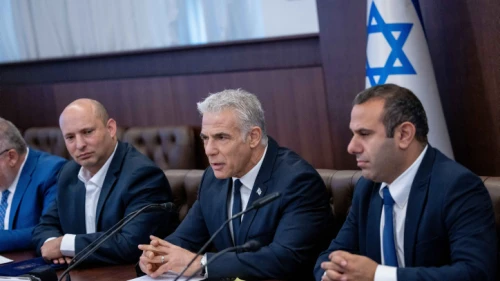
The prospective deal will “strengthen Israel’s security, inject billions into Israel’s economy, and ensure the stability of our northern border,” says the prime minister.

“All our demands were met; the changes that we asked for were corrected,” says Israeli National Security Council chief Eyal Hulata.
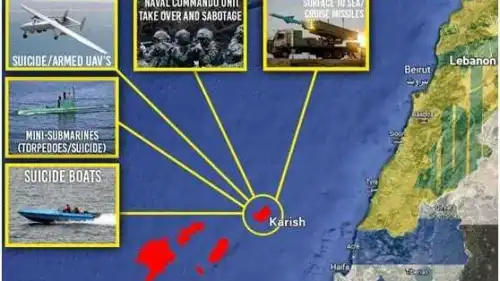
IDF Chief Aviv Kochavi shared photos of Hezbollah targets with his French counterpart in September as a warning to the terror group.
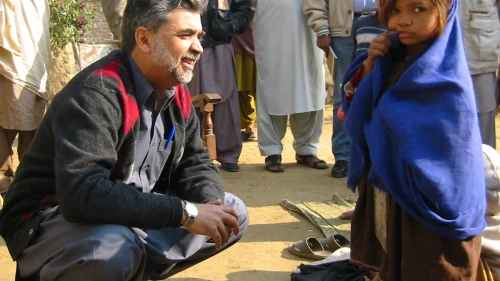
“Many countries, Pakistan included, could benefit from Israeli technologies, especially in agriculture, water reuse, high-tech and health care,” Nasim Ashraf, the country’s former minister of state for human development, told JNS.

The Israeli defense minister ups military readiness amid the stalled maritime border talks with Hezbollah-controlled Lebanon.

Gali Baharav-Miara initially said the security cabinet could approve the accord, but then said the Knesset plenum needed to decide.