Israeli Foreign Policy

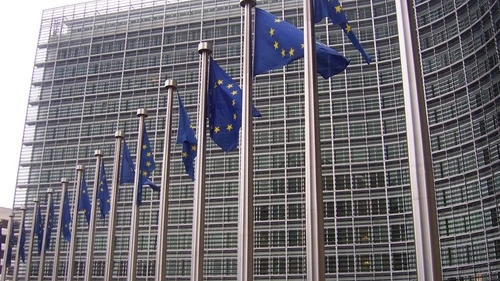
Heiko Maas is expected to convey Berlin’s strong opposition to Jerusalem’s plan to begin extending sovereignty to parts of Judea and Samaria.
Russian Foreign Minister Sergey Lavrov accused the United States of conducting a politically motivated initiative against Tehran.

Palestinian Foreign Minister Riyad al-Malki clarifies P.A. “annulment” of Oslo Accords, stating the accords remain in effect until “Israel proceeds with annexation.”

Following recent backlash against the Trump Mideast peace plan, settlement leaders meet with Israeli Prime Minister Benjamin Netanyahu to back Israel’s “unimaginable” sovereignty bid.

Former Dubai police chief Lt. Gen. Dhahi Khalfan Tamim stirs controversy with a series of tweets calling on the Persian Gulf states to recognize the Jewish state.

“I’m stressing that Russia and China need to join a global consensus on Iran’s conduct. This is about the people—the people in the Middle East,” said U.S. Ambassador to the United Nations Kelly Craft.

“While we share concerns over the details of the plan and how it will affect our day to day lives, we are cautiously optimistic about the application of sovereignty,” said a group of activists and leaders in Judea and Samaria.
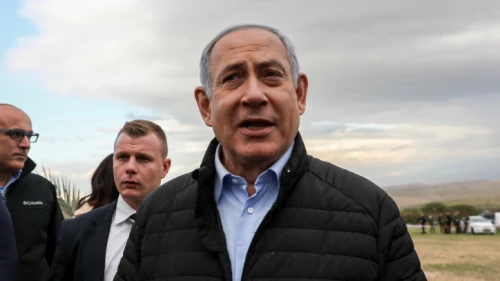
“It is regrettable that instead of showing gratitude, there are those who are denying Trump’s friendship,” says Israeli Prime Minister Benjamin Netanyahu.
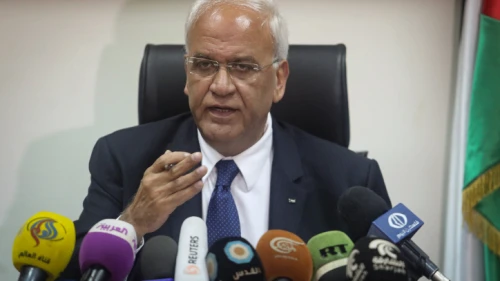
PLO Secretary General Saeb Erekat: Trump peace plan “the most biased plan in the political history of the Palestinian-Israeli conflict.”

Settler leaders ramp up objections to Mideast peace plan, as Yamina leader Naftali Bennett warns of “existential disaster” of a Palestinian state.
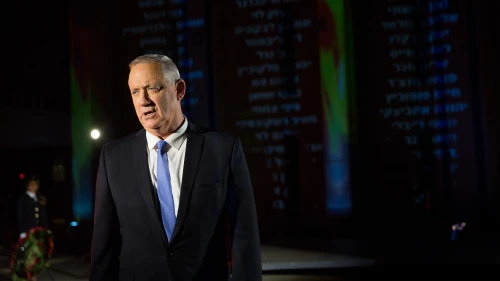
As the Israeli defense establishment gears up for Jerusalem’s planned application of Israeli law to parts of Judea and Samaria, Washington is reportedly calling to “greatly slow the process.”
Many U.S. officials think that China’s overseas investments are part of a deliberate strategy to increase its diplomatic influence, and ultimately, its military reach.