Israeli Foreign Policy

Turkey’s attempt to drill for gas in waters where Cyprus has exclusive economic rights constitutes a “severe violation of the sovereign rights and jurisdiction of the Republic of Cyprus,” says Cypriot government.
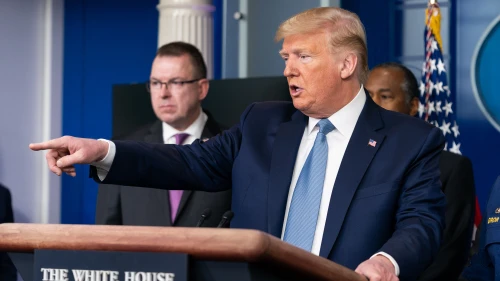
U.S. President Donald Trump tweets he will be signing an executive order halting immigration “in light of the attack from the Invisible Enemy.”
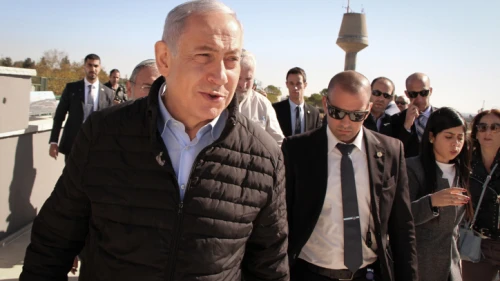
Under the terms of the deal, Israeli Prime Minister Benjamin Netanyahu can present the U.S. plan for application of sovereignty in Judea and Samaria and the Jordan Valley to the Knesset for approval as early as July.
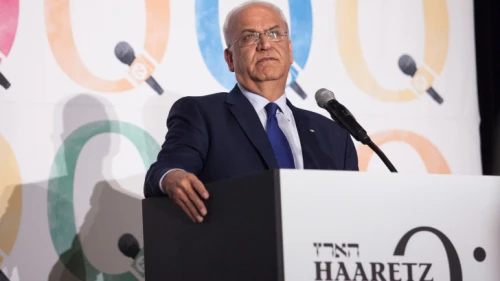
PLO Secretary-General Saeb Erekat says he has “found consensus” in talks with various international parties regarding the need to “preserve the two-state solution” and reject the U.S. Mideast peace plan.

Israel’s largest HMO refuses to work with a Chinese government firm that is supposed to be supplying six fully outfitted testing labs, for fear of compromising the DNA data of its 4.9 million members.

In the Democratic race, Marie Newman won against Rep. Dan Lipinski, 47.1 percent to 44.8 percent, while Arthur Jones came in last in the three-way Republican contest with only 10 percent of the vote.

The U.S. Department of Justice said Friedrich Karl Berger “continues to receive a pension from Germany based on his employment in Germany, including his wartime service.”

Canada’s government has been trying to deport Helmut Oberlander, 95, also an infantryman in the German army, for the last 25 years.

White House senior adviser Jared Kushner said the international reaction to the vision, officially called “Peace to Prosperity,” has been overall positive, despite the Palestinian rejection of it.

Citing Israeli pledges to extend sovereignty to the Jordan Valley, as well as Israeli “violations” on the Temple Mount, relations between the two countries seem at their lowest point since 1994.

Finance minister Samir Sharifov told the crowd: “Cooperation with Israel is not limited to oil supply; we are interested in widening cooperation in defense and the transfer of technology.”

“I will continue building relationships between Israel and its neighbors in the region to work on what once seemed impossible—building together an economic bridge of peace,” said former U.S. special envoy to the Middle East Jason Greenblatt.