Judicial Reform
Under the amended text, a majority of 12 to 13 justices will be enough to overturn a law.

Israelis clogged the streets, in one instance unfurling a massive banner showing Netanyahu next to Ayatollah Ruhollah Khomeini.

Left and right have diametrically opposed views on the power of the Supreme Court.
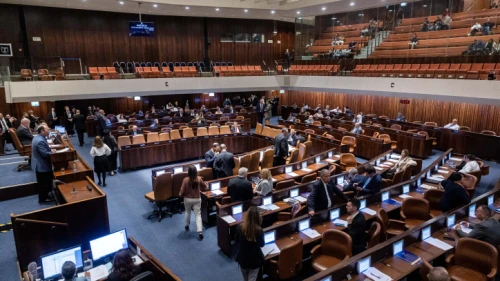
One measure, dubbed the “override clause,” would allow the Knesset to re-legislate laws struck down by the Supreme Court.
“Everything should be done in due time,” says Justice Minister Yariv Levin • “Threat of dismissal will not deter the attorney general from fulfilling her duties,” says Attorney General Gali Baharav-Miara’s office.
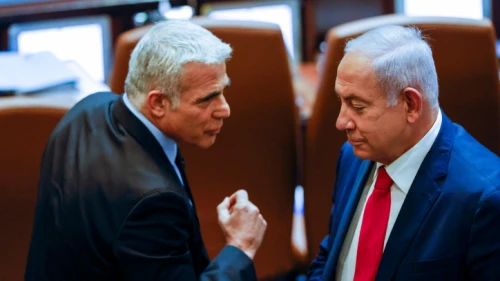
Israeli opposition leader Yair Lapid invokes U.S. pressure as a reason to delay the legislative process • Israeli Prime Minister Benjamin Netanyahu: “It is possible and necessary to talk in order to reach agreements or at least reduce the disagreements among us.”

“The Caroline Glick Show” with David Goldman, Episode 42

Judicial reforms undermine the message that Israel is both a Jewish and a democratic state, the movement states.

Controversy has surrounded the non-Jewish actress playing the legendary Jewish prime minister.

Ambassador Tom Nides calls Israel a “vibrant democracy,” adding that its judicial system “probably needs reform.”
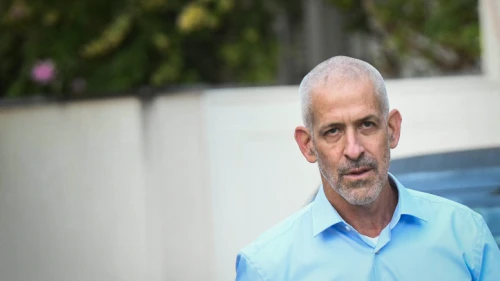
“The atmosphere is heating up,” Shin Bet head Ronen Bar told Israeli Prime Minister Benjamin Netanyahu and Justice Minister Yariv Levin.
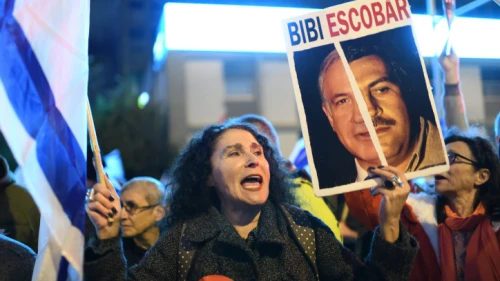
The Israeli premier scolded Yesh Atid lawmaker Ram Ben-Barak for comparing the government to Nazi Germany and denounced protesters for harassing coalition members outside their homes.