Newsletter
Newsletter Support JNS

Netanyahu calls for new way of selecting judges in Israel

The Judicial Appointments Committee just selected 61 new judges, despite a boycott by three coalition Knesset members.

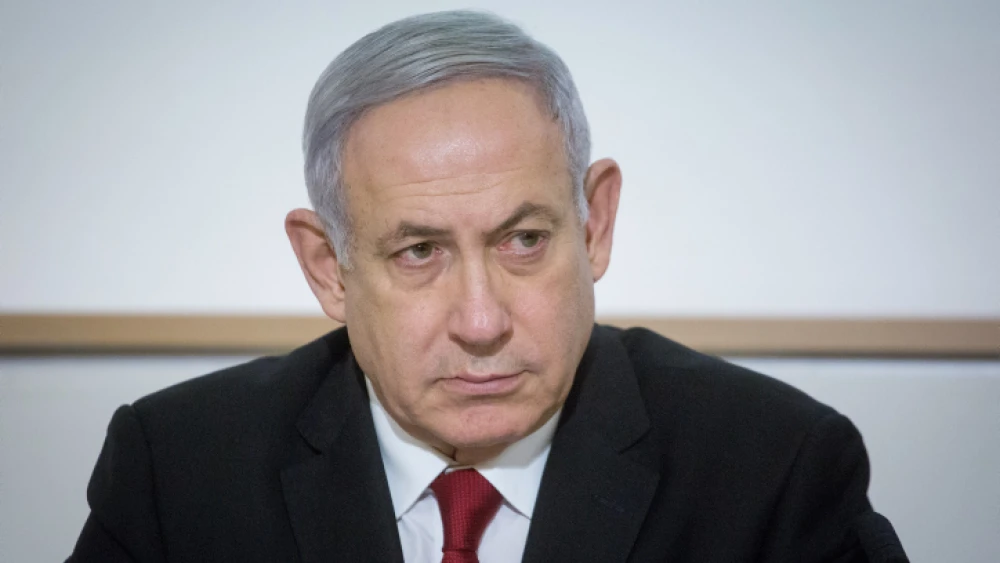
Israeli Prime Minister Benjamin Netanyahu delivers a statement to the press at the Kirya military headquarters in Tel Aviv on Nov. 12, 2019. Photo by Miriam Alster/Flash90.

Israeli Prime Minister Benjamin Netanyahu called on Monday for reforming the way that judges are selected with Knesset Speaker Yariv Levin of the Likud Party proposing a new way to do so.

“It is necessary that most of the public understands that we need fundamental reforms of this system. It cannot continue [as is],” said Netanyahu at a Likud meeting.

“Today, we don’t have the necessary majority, but I think it will soon change,” he added.

The Judicial Appointments Committee selected 61 new judges on Sunday, despite a boycott by three coalition Knesset members.

Meanwhile, the Knesset speaker proposed changes to the way judges are chosen. Levin’s plan would have the cabinet select justices, instead of the current system of a panel that includes members of the government, Knesset, the court and the Israel Bar Association, reported The Times of Israel.

The plan would most likely not pass in the current Knesset and but seems more like a proposal made in order to gain votes in the next election.

“At a time when some would isolate Israeli academia, UCLA has chosen collaboration,” Eveline Shekhman of the American Jewish Medical Association told JNS.
The database “was established solely to persecute the Jewish state, with no equivalent anywhere else in the world,” Jerusalem’s mission to the world body in Geneva said.
The Israeli military grounds attack and munition-dropping drones as it investigates whether a technical malfunction or enemy interference caused the tragedy.
Jason Brodsky, of United Against Nuclear Iran, told JNS that the address carried messages to “the international community, antisemites abroad, state threats against Israel and most especially the Iranian people.”