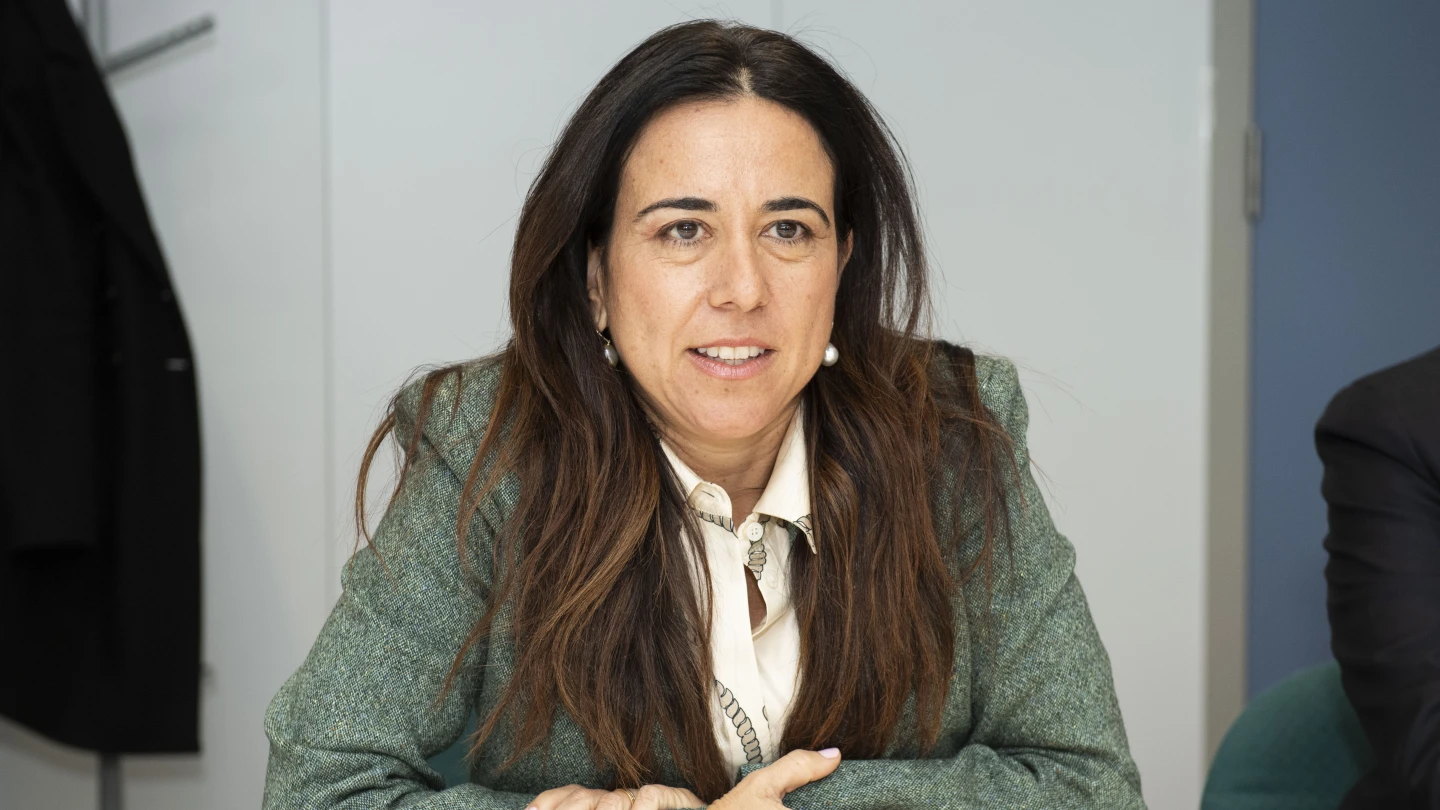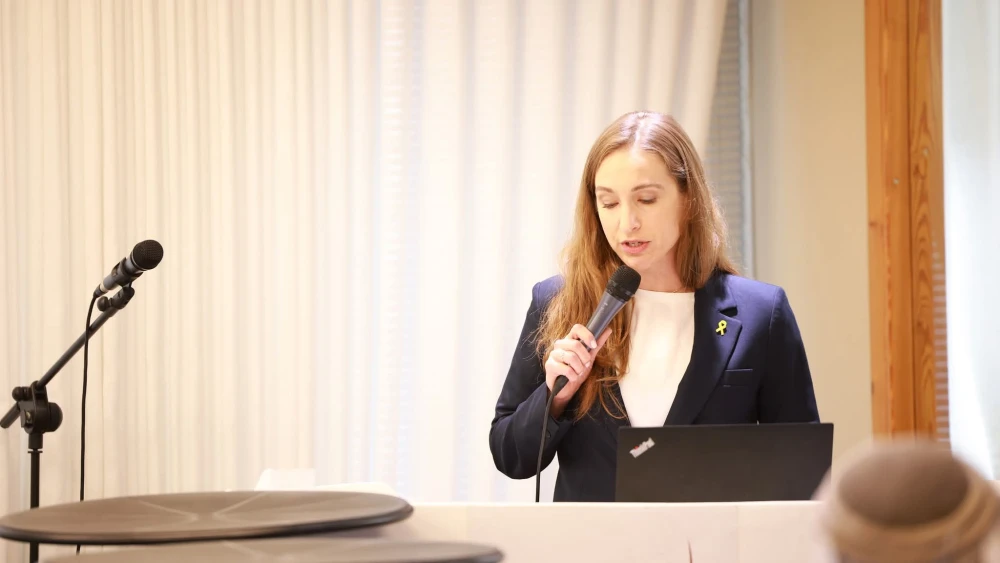
Talia Dekel-Fleissig, who led the Jerusalem Press Club as CEO until it shuttered after 13 years on Tuesday, plans to formally open the Israel Press Club, which is to serve foreign correspondents and visiting journalists, on Oct. 27, Israeli Election Day, she told JNS exclusively.
The new Tel Aviv-based club is already operating, according to Dekel-Fleissig. “It’s a great opportunity to launch the club,” the 41-year-old, who led the Jerusalem club since 2023, said on Tuesday.
Dekel-Fleissig told JNS that the launch event will begin two hours before exit polls come out and will include a press center, where journalists can work.
“We’re going to bring back-to-back talking heads, like analysts, former politicians, people who can come talk about what they expect and put everything into context,” she said.
She expects the major television networks to send multiple crews to cover the election, increasing the demand for the club’s assistance.
“The big networks won’t be at it alone and will likely bring backup,” she told JNS.
Dekel-Fleissig predicted multiple CNN and Fox crews on site. “I think people need all the help that they can get,” she said. The Israel Council on Foreign Relations and the Konrad Adenauer Stiftung Israel are partnering with the new club in the lead-up to elections, through election night, with webinar briefings.
On Monday night, she wrote on LinkedIn that the Jerusalem club, where she had previously served as vice president, was closing on Sept. 1.
The club, which Israeli journalist Uri Dromi founded, “was created to bridge Israel and global media by helping journalists access people and information and better understand the country and region they cover,” she wrote. She added that she helped the club grow into a “trusted resource for foreign journalists covering Israel and the region.”
The club was part of the International Association of Press Clubs and the European Federation of Press Clubs, and it formed a partnership with the National Press Club, a nearly 120-year-old organization in Washington.
“Over the years, our work evolved with the realities on the ground: from reviving and expanding press trips across Israel and holding five international press freedom conferences, to creating professional-development programs and connecting journalists with people, experts and stories across Israel,” she wrote. “At the peak of the war, over 5,000 additional foreign journalists were flown in.”
One reporter responded that the club “has been like a second home to me, and the people here are the most amazing crew ever.”
“The stunning view of the Old City, combined with the interesting and high-quality work, is something you don’t see every day,” the reporter wrote.
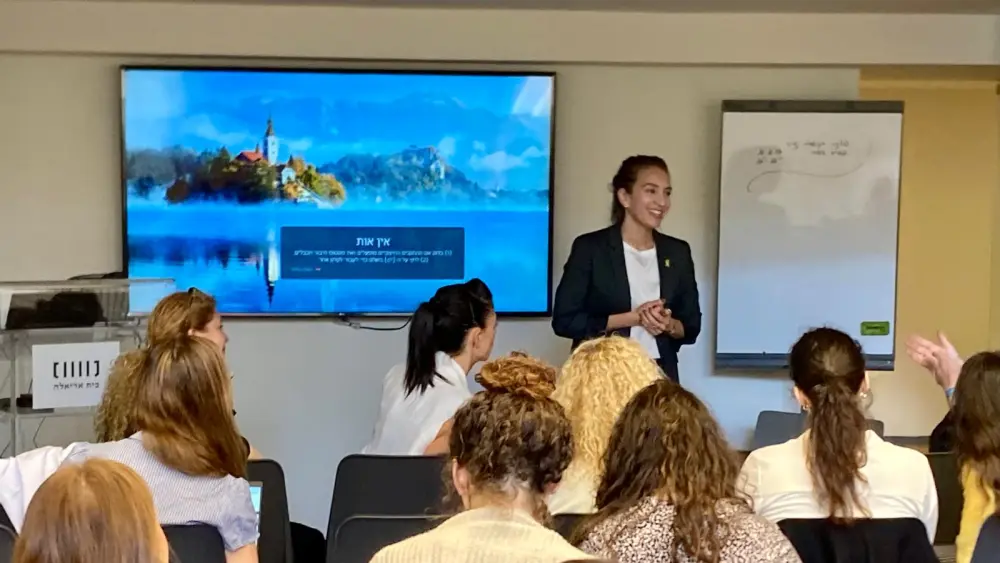
Dekel-Fleissig told JNS that the Jerusalem Press Club “was established over 13 years ago inside a restaurant in the Mishkenot Sha’ananim Guesthouse compound as a location for its events and offices.”
“The venue became increasingly unviable after the dual hits of COVID and the years-long war,” she said. “Coupled with the continuous geopolitical developments in the region, as well as new challenges facing the foreign media community, a fresh start is timely with the start of 5787.”
Dekel-Fleissig previously told JNS that she arrived in Israel by way of Canada and New Zealand, where her father built a polling empire “out of spite.”
When she made aliyah at age 17, she was drafted into the liaison unit of the Israel Defense Forces, which maintains contact with the United Nations and other foreign forces that operate under regional security arrangements. After her military service, she worked as a website editor, international page editor and copyeditor at the Jerusalem Post for five years.
She then served for four years as head of recruitment in Israel and a project manager at the nonprofit Tikvah Fund and then as senior fellow and international press head at the Israel Project.
“There is a need for a press club,” she told JNS. “Every self-respecting democratic country, and also not democratic countries, have press clubs. This is a function that exists.”
She intends the new club to help journalists understand Israel but isn’t pushing for them to advocate for the Jewish state. She also wants the new venture to help Israeli experts communicate more effectively with the international media, without telling the sources what to say, she told JNS.
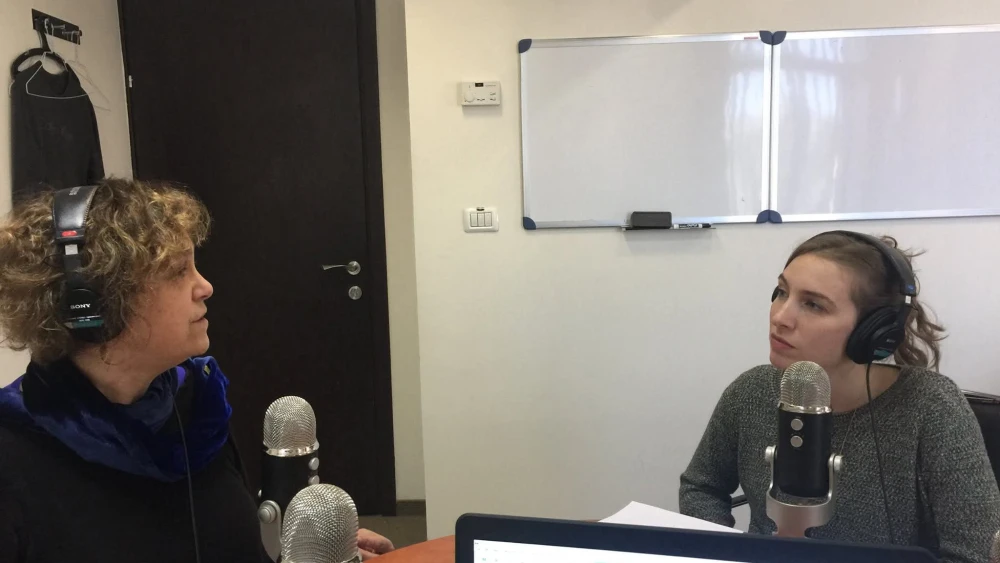
With the upcoming elections and shifting political parties and regional changes in the aftermath of the Abraham Accords launch, Oct. 7 and subsequent multi-front wars, engaging with foreign journalists is essential, especially as many consumers have given up on trusting legacy media, according to Dekel-Fleissig.
“It’s not about improving Israel’s image. It’s not about fighting back the media war. That’s not what it is,” she told JNS. “It’s about making sure that the public understands what’s actually going on, and I think that we have a very important role in that.”
Most foreign correspondents and the Israeli experts whom they interview are based in the Tel Aviv area, where the new club will operate.
“Our main audience is there,” Dekel-Fleissig told JNS. “The experts seem to be there more and more, like the think tankers and the former officials. People live in the center of the country.”
“In terms of access, connecting between the story and the audience, it seems to be a lot more practical to do in the center of the country,” she said.
The club will offer briefings, tours, professional-development programs and individual advisory meetings, and will connect journalists with sources, as she sees it.
“Initially doing what we know works,” Dekel-Fleissig told JNS.
The club will also provide practical assistance to journalists reporting from conflict zones. “Sometimes it’ll be logistical,” she said.
During the war, many journalists sought the Jerusalem club’s help securing flak jackets or helmets, which they couldn’t find on their own, and in “most cases,” the club was able to help, according to Dekel-Fleissig.
The Israel Press Club, which is trying to secure a permanent office location, will start with a staff of about four.
“I can already tell you that they are people with many decades of experience working not only in media but with the foreign press specifically,” Dekel-Fleissig told JNS. “They are people that are really the top professionals in their jobs.”
The organization has an all-female board, which wasn’t intentional.
“There’s a legal adviser and somebody who’s from the finance world, and there’s somebody who has lots of experience in partnership development,” she said.
Representatives of major international news organizations have already approached her about joining the club. “I am very confident,” Dekel-Fleissig said. “I think that they know what they’re getting at the end of the day.”
‘Israelis find ways of solving things’
Dekel-Fleissig grew up in an Israeli family in Canada and New Zealand and moved to Israel shortly after graduating from high school.
“I grew up in a very Zionist house,” she said. “My parents spoke Hebrew at home. Their politics were very clear, and it was a huge part of our identity: Israel and being Jewish.”
“It was very obvious to me that I would end up in Israel,” she told JNS.
During her military service, Dekel-Fleissig was stationed in the southern Gaza Strip before the 2005 withdrawal. She liaised with the Egyptian military and the multinational force and observers in Sinai.
“I met my husband in the Army, on the train,” she said. “It was really like one of those little rom-coms.”
“We saw each other on the train, and he was on the phone with a friend, and his friend convinced him to get off the train and ask for my number,” she said. “Fast-forward 20 years, and we’re married, have three boys and live in Modi’in.”
Dekel-Fleissig, who spoke to JNS after dropping her children off for the new school year, said it’s not ideal to launch a new organization so soon before the Jewish High Holidays and a national election, but the news cycle demands haste.
“I would have loved a little bit of a break in between, but I can’t afford one because of the elections and the Oct. 7 story,” she said. “These are two big balls that can’t be dropped.”
“It’s terrible timing,” she said. “I think Israelis find ways of solving things. We don’t have a choice. We do what we need to do to get it done, and I think that this is one of those times that we’ll make it work.”
“It might not be perfect, but we’ll make it work,” she said.