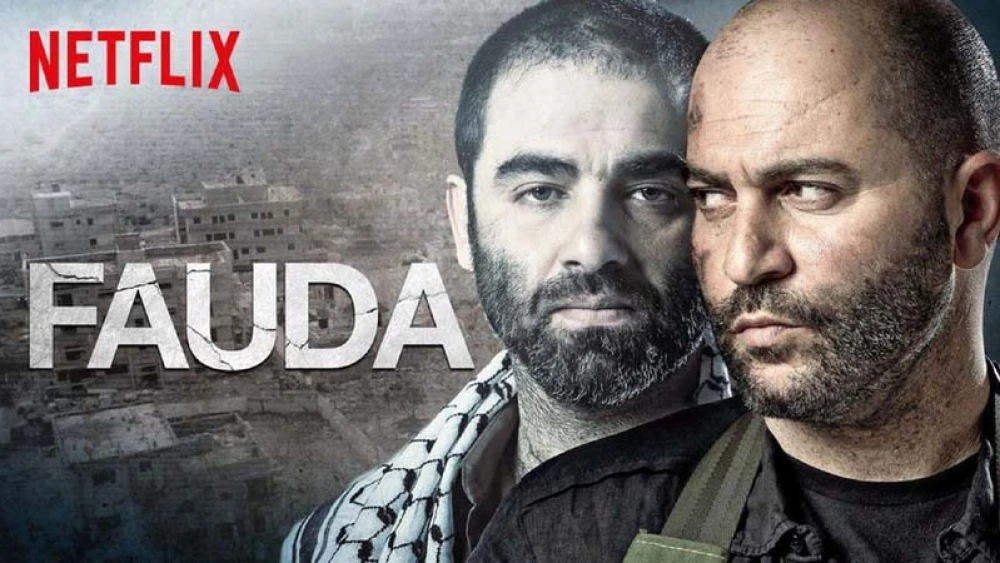
The new season of the Israeli action television series Fauda premieres in Israel on Monday, with a plot focused on the aftermath of the Oct. 7, 2023, Hamas-led invasion of the northwestern Negev..
The 11-episode season, which includes French actress Mélanie Laurent, known for the black comedy war film Inglourious Basterds, will run weekly on the Yes satellite TV provider in Israel and will be distributed internationally on Netflix later this year.
“This is not just another season or script,” co-creator Avi Issacharoff posted on X. ”We are proud of this season perhaps more than its predecessors, because of its importance, the touching of the raw nerve and the very fact that it will bring to every point in the world the story of our personal and national trauma.”
Israeli actor Idan Amedi, who played undercover agent Sagi Tzur in earlier seasons of the series, does not appear in the latest season due to the serious injury he sustained while fighting against Hamas terrorists in the Gaza Strip.
The newest season of the series was filmed primarily in Israel and Budapest, Hungary, after plans to shoot its European segments in Marseilles, France, were changed due to security concerns.
The show, which debuted in Israel in 2015, has aired in 190 countries.