Rep. Debbie Wasserman Schultz (D-Fla.) warned on Tuesday of delays in federal security grants for at-risk nonprofits as she convened law enforcement officials and Jewish community leaders in Broward County to discuss rising antisemitic threats and protection gaps.
The March 17 roundtable at the David Posnack JCC in Davie, Fla., focused on security challenges facing houses of worship.
“We see the explosive rise in antisemitism,” said Wasserman Schultz, calling the attack on Temple Israel in West Bloomfield, Mich., “the kind of nightmare that our Jewish communities fear will unfold just outside our doors every day.”
Broward Sheriff Gregory Tony said that while there are no active threats in the county, “we won’t dismiss the fact that the reality is lone cells, sleeper cells, whatever terminology you want to use, exist.”
Wasserman Schultz said funding shortages and administrative delays in the Nonprofit Security Grant Program, administered through the U.S. Department of Homeland Security, are leaving institutions vulnerable. She noted that “Congress appropriates about $400 million at the moment” for nonprofit security grants.
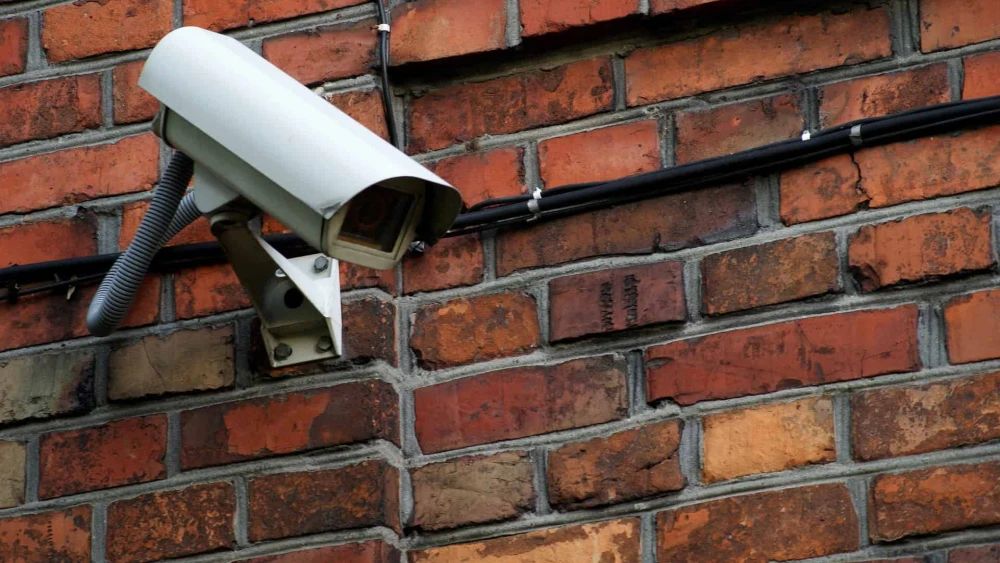
“It is mostly for hardening of those institutions to ensure they have things like cameras, fencing, and kinds of target hardening,” she said. “But it is a woefully inadequate amount, especially given the explosive rise in antisemitism and bigotry and the attacks that we’ve seen on some of these institutions and individuals.”
“It’s just absolutely critical that we get more funding appropriated, and at the same time, we also need to make sure that we break the log jam and unravel the bureaucracy and not make it so challenging for them to get access to the funds, even once they’re approved for them,” Wasserman Schultz said.
In a separate statement, she blamed the shutdown of Homeland Security for harming the allocation of security grants.
“Democrats in the House and Senate have introduced bills to fund the Department of Homeland Security in full, including FEMA, which administers Nonprofit Security Grants, except for ICE and CBP,” she wrote, noting that Congressional Republicans prefer “to shut down the whole department rather than negotiate with Democrats to implement common-sense immigration enforcement reforms.”
Dennis May, director of security with Secure Community Network for the Jewish Federation of Broward County, said houses of worship submit funding requests, but the issue is “the processing element,” adding that submitted applications are “falling two, three years behind.”
“They’re forced to use other funds to supplement the security concern and are waiting for these grants to come in as a reimbursement,” he said. “And that’s not the intent of how the legislation was designed.”
Wasserman Schultz cited local institutions that are only now receiving grants approved in 2023 and 2024, while another is still awaiting funds from a 2022 award.
“I’m a senior member of the Appropriations Committee,” she said. “I can tell you when we appropriate those funds, the expectation is that they’re going to be distributed in the fiscal year in which they are appropriated.”