As regional tensions mount and more U.S. naval vessels arrive in the Gulf and surrounding waters, Israelis tune in to the nightly forecast. Alongside the chance of cloudy skies and rain, viewers are calmly informed of the probabilities of missile fire.
This is said without irony. Without panic. Almost without pause.
Growing up in America, this would have been unthinkable. No American president, Republican or Democrat—or even a European leader, for that matter—would ever tolerate a reality in which missiles could be arbitrarily lobbed onto their sovereign soil. The response would be immediate, overwhelming and unquestioned.
Yet somehow, the world has grown accustomed to the absurdity of routine missile fire directed at Israel. As if this is an acceptable condition of existence. As if this is normal. And God forbid, Israel should respond.
Some argue that Israel’s air-defense systems render these attacks relatively harmless. Really? Does that even make sense?
The fact that we can defend ourselves doesn’t diminish the intent behind these deadly weapons. Missiles aimed at population centers are not symbolic gestures or warnings.
They are designed, indiscriminately, to kill civilians. And over the years, Israeli civilians have been killed.
To be clear, these missiles are fired at our cities, our homes, our hospitals and schools, with the explicit intention of killing our people, including making it very personal.
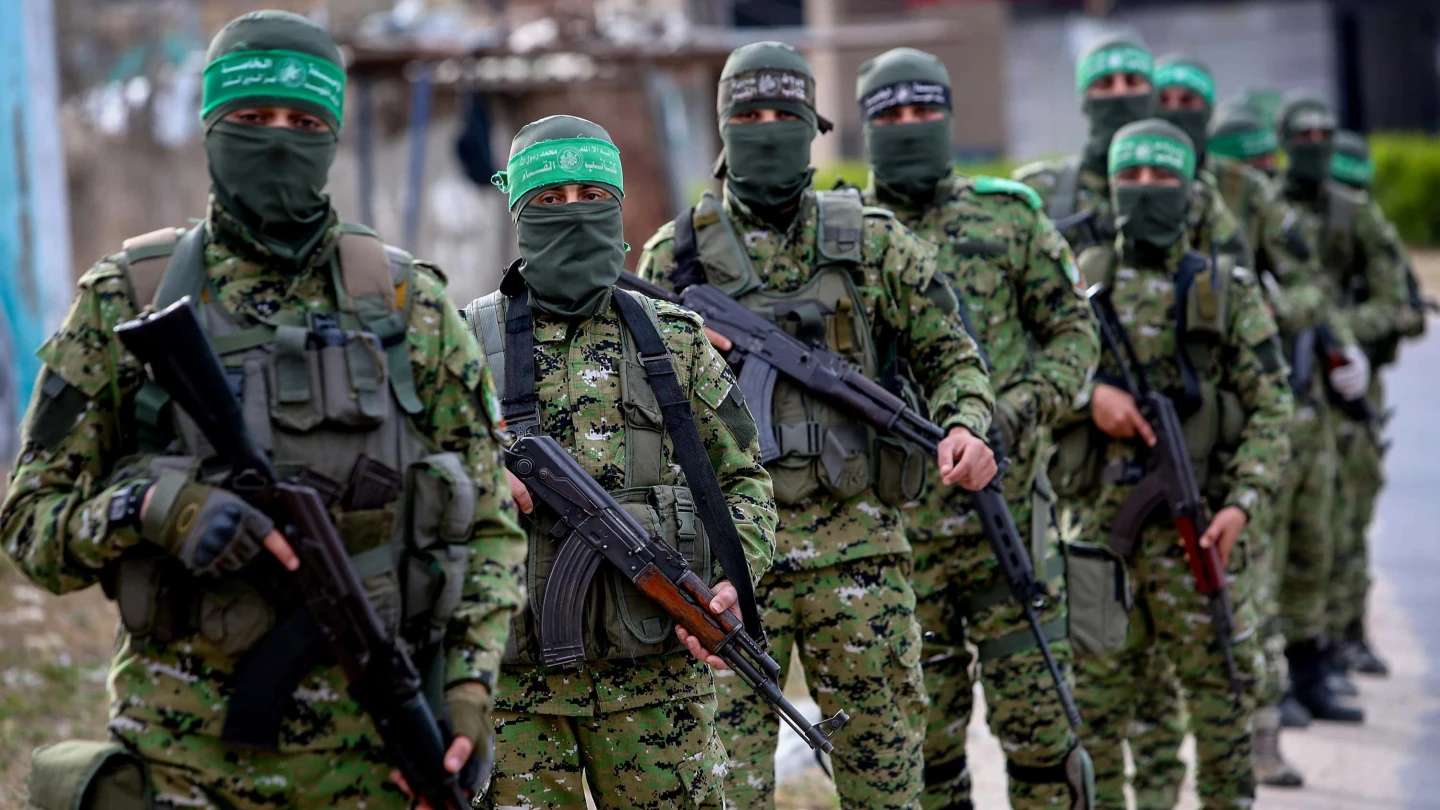
Over the last 20 years, there have been more “missile fall” days than rainfall days in Israel. Since Israel unilaterally withdrew from Gaza in 2006, Hamas has launched well over 50,000 rockets and missiles toward Israeli towns and cities. Hezbollah in Lebanon has spent more than a decade entrenching itself along Israel’s northern border, firing missiles randomly into civilian areas and stockpiling tens of thousands more. Houthi terrorists in Yemen have launched long-range drones and missiles aimed at southern Israel.
And, most recently, Iran itself has joined what now seems like a grotesque Middle Eastern pastime: “Drop a missile on Israel.”
The 12-day war last June marked a dangerous escalation. No longer content to operate solely through proxies, Tehran stepped out from behind its dark veil. It fired fast, using large payload ballistic missiles capable of devastating destruction, toward Israel. While many were intercepted, others caused real damage, injuries and loss of life. The restraint that Israel showed in response should not be mistaken for acceptance.
It’s time for Israel’s leadership to state unequivocally, both to our citizens and to world leaders: We will not be the region’s dumping ground for missiles.
Children should not routinely have to run to shelters in the middle of the night. Families should not lie awake waiting to see what was hit this time. A state’s sovereignty cannot be violated again and again without consequence.
Responsibility rests first and foremost with leadership. Deterrence matters. A response that forces aggressors to think 10 times before launching another missile is not escalation; it is prevention. Failure to do so erodes public confidence in the most basic duty of government: providing security for its citizens.
And yet, somehow, there is an unintended positive consequence to this absurd reality. Living with extreme uncertainty has forged an unusually strong civilian society. Israelis have developed a rare form of resilience, one that allows life to continue, businesses to grow, families to flourish and happiness to shine, even under potential existential threat.
Remarkably, Israel consistently ranks among the top 10 happiest societies in the world, according to annual international studies. One explanation is simple: When life is fragile, it is also precious. Israelis live fully because they understand how quickly life can be interrupted.
Surrounded by neighbors who openly call for the destruction of the Jewish state, the effect has been the opposite of what our enemies intend. It has strengthened our resolve, deepened our connection to the land and emboldened younger generations to defend our right to exist.
The Jewish people have learned, through our bitter history, to take threats of extermination seriously. And still, Israelis remain optimistic. Still, we yearn for peace. We have evolved from the biblical vision of beating swords into plowshares to the modern hope of turning missiles into instruments of science, innovation and space exploration. The prophetic promise of a new dawn of regional peace continues to guide our dreams.
Until then, this Israeli winter, we will keep an umbrella handy for the occasional drizzle and the Iron Dome ready for the occasional missile.
Because absurdity, somehow, has become routine. And resilience, our response.