


Tel Aviv University
Scientists develop a sensor that restores sense of touch to damaged nerves, holding out hope for people who have experienced amputation or injuries.

The approach introduces the concept of delivering bio-friendly optical resonances, used in cancer-imaging tests, via a miniature nanoscale particle they produced.

“Thanks to the [Abraham Accords], we—an Israeli company—are able to cooperate with our Middle East neighbors to solve one of the region’s difficult problems: water scarcity,” said Dr. Michael Mirilashvili, president and CEO of Watergen.

Dr. Giovanni Quer, who conducted the study, says “we are facing a mixed trend.”

Grant winners include researchers from disciplines including zoology, electrical engineering, economics, statistics, communication disorders, earth sciences, computer science, sociology and anthropology.

CEO of the humanitarian agency Yotam Polizer said the scale of what is unfolding there is “simply overwhelming.”

Tel Aviv University scientists develop rapid melanoma diagnosis technology
Trials were carried out on about 100 patients with suspicious lesions in a major hospital in Israel.
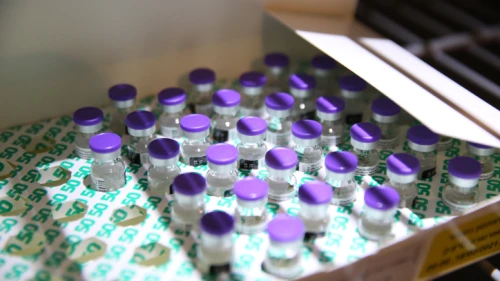
Study: UK coronavirus variant 45 percent more contagious than original
Researchers note dramatic drop in severe cases following the vaccination of 50 percent of the older population.

The results indicated contradictory trends: a decrease in physical violence due to COVID-19 lockdowns and an increase in accusations against Jews, who were allegedly responsible for the global coronavirus and its disastrous results.
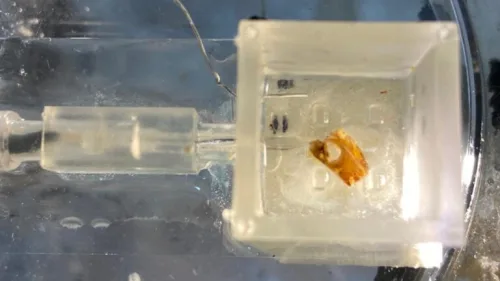
“The sky’s the limit” for biological-technological system integration, says a Tel Aviv University researcher.

The team hopes to expand their research to detect radio interceptions from other galaxies.

“The AI revolution is expected to impact our way of life in every aspect,” from drug development to security systems, robotics and even social issues,” said Professor Meir Feder, who will head the center.

