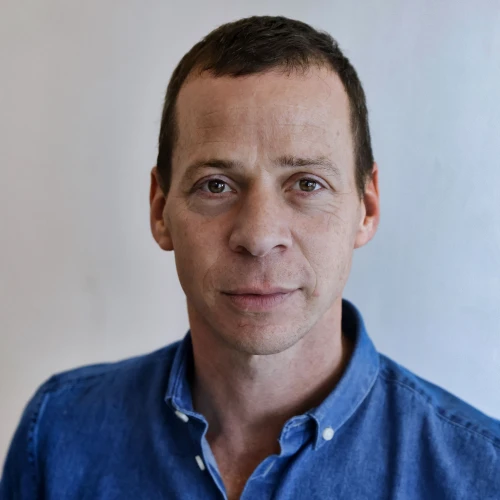
Iranian deputy foreign minister and nuclear negotiator Majid Takht-Ravanchi told the BBC on Sunday that, as far as Tehran is concerned, U.S. demands for zero enrichment are “not on the table anymore.”
The Islamic Republic is ready to consider U.S. President Donald Trump’s proposals if the Americans are willing to discuss sanctions relief, the senior Iranian official told the BBC during an interview in Tehran.
“The ball is in America’s court,” Takht-Ravanchi continued. “They have to prove that they want to have a deal with us, and if we see a sincerity on their part, I’m sure that we will be on a road to have an agreement.”
Takht-Ravanchi’s claim that the “issue of zero enrichment is not an issue anymore and, as far as Iran is concerned, it is not on the table anymore” directly contradicts claims made by Trump as recently as Friday.
Trump told reporters following a military gathering at Fort Bragg, North Carolina, on Friday that he continues to insist on no enrichment.
“Tremendous [military] power has arrived, and additional power, as you know, another carrier is going out shortly, so we’ll see it out if we can get it settled for once and for all that would be good,” the president added.
Reuters cited two U.S. officials as saying on Friday that the military had been preparing for the possibility of sustained, weeks-long operations against the Islamic Republic.
Takht-Ravanchi in the BBC interview issued an implicit threat to U.S. forces in the region, warning that war would be “traumatic, bad for everybody ... particularly those who have initiated this aggression,” adding, “If we feel this is an existential threat, we will respond.”
In previous Iranian attacks on U.S. assets, including on the Al-Udeid Air Base in Qatar after Washington struck Iranian nuclear sites in June, no American casualties were caused, but a future confrontation between the two countries would be “a different game,” said Takht-Ravanchi.
The Iranian official reiterated the regime’s opposition to discussing its ballistic missile production as part of the talks, as Trump and Israeli Prime Minister Benjamin Netanyahu have repeatedly insisted it do.
“When we were attacked by Israelis and Americans, our missiles came to our rescue, so how can we accept depriving ourselves of our defensive capabilities?” Takht-Ravanchi asked the BBC.
Turkish Foreign Minister Hakan Fidan told Britain’s Financial Times on Thursday that Washington was “willing to accept uranium enrichment in Iran subject to clear limits” and warned that expanding the talks to include ballistic missiles would “bring nothing but another war.”
The United States has demanded Iran give up its stockpile of uranium enriched to levels up to 60%—which serves no peaceful purpose and is only a short distance from the 90% level sufficient for producing nuclear weapons.
Additionally, it has demanded that Iran not enrich uranium on its soil.
According to estimates, the Islamic Republic’s current stockpile is sufficient, after further enrichment, to produce 10 nuclear bombs. However, the status of the stockpile in the wake of the Israeli and U.S. strikes in June is not clear.
U.S. Secretary of State Marco Rubio spoke to Bloomberg on Saturday, vowing that Iran will never be allowed to have a nuclear bomb. The military buildup in the region is to “ensure that they don’t make a mistake and come after us and trigger something larger,” he said.
U.S.-Iran negotiations are scheduled to continue in Geneva on Tuesday. Sources told Axios on Saturday that U.S. Special Envoy Steve Witkoff and Trump’s son-in-law Jared Kushner will be present in the meeting, while the Iranian delegation will be led by Foreign Minister Abbas Araghchi.
Axios cited Trump as telling reporters on Friday that while the Iranians have expressed willingness to talk, they have not given any indications that they are willing to take action with regard to their nuclear project.