The U.S. State Department announced on Monday that it is providing aid to minority communities in southern Syria.
“As part of efforts to restore stability to southern Syria, the United States is providing humanitarian assistance to Suwayda, where Druze, Christian and Bedouin communities have faced violence, the destruction of their homes and have lost their livelihoods,” the department stated. “This assistance will support life-saving needs of approximately 60,000 people through targeted provision of food, water, and hygiene items, as well as the rehabilitation of houses and water systems for when people can safely return home.”
According to the Syrian Observatory for Human Rights, hundreds of Druze, including many civilians, have been extrajudicially executed since conflict broke out in Suwayda in July between the Druze, Bedouin and government forces.
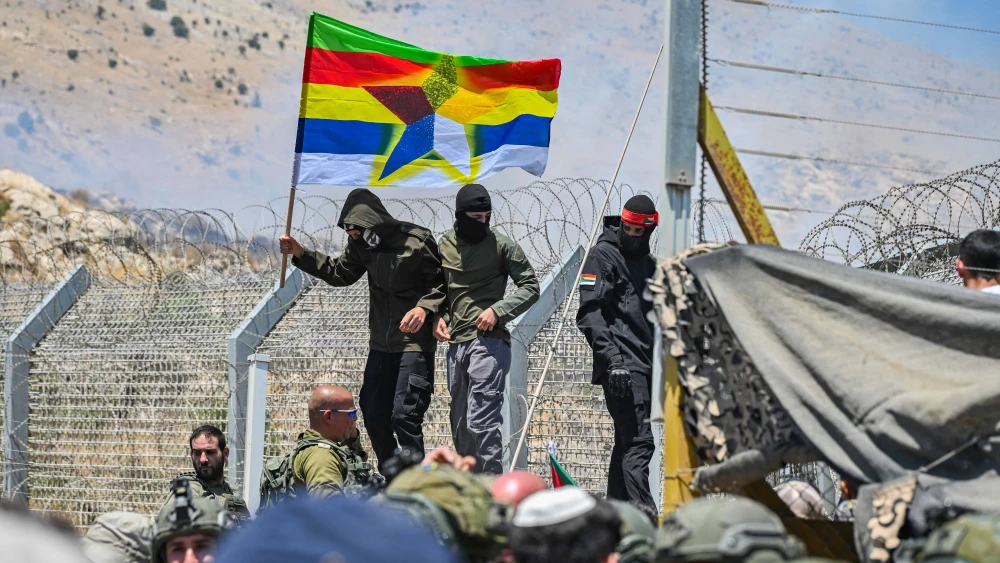
The surge in violence prompted the Israeli government to intervene militarily after about 1,000 Israeli Druze crossed the border into Syria to help their coreligionists.
U.S. Secretary of State Marco Rubio announced on July 16 that all parties, including Israel, had agreed to a ceasefire. On Monday, the State Department said that “hostilities have largely subsided,” but the security situation remains “unpredictable.”
“This has resulted in limited movement of supplies that has affected civilian safety and the ability of the approximately 187,000 displaced individuals to return to their homes,” the department stated. “The provision of food and safe water supplies will help address critical needs for families displaced in emergency shelters and within host communities, as well as those unable to access goods due to the ongoing disruption to supply deliveries that support stores and markets.”
U.S. officials have said that protecting Druze and Christian Syrians is a key test for Syrian President Ahmed al-Sharaa, a former al-Qaeda leader who has promised to preserve the rights of religious minorities.
“The government must show no tolerance for abuses, and all Syrians should have a meaningful stake in the country’s governance,” Mike Waltz, U.S. ambassador to the United Nations, said on Oct. 22. “There can be no progress without this assurance.”