Newsletter
Newsletter Support JNS
Shimon Sherman

Shimon Sherman

Shimon Sherman is a columnist covering global security, Middle Eastern affairs, and geopolitical developments. His reporting provides in-depth analysis on topics such as the resurgence of ISIS, Iran’s nuclear ambitions, judicial reforms in Israel, and the evolving landscape of militant groups in Syria and Iraq. With a focus on investigative journalism and expert interviews, his work offers critical insights into the most pressing issues shaping international relations and security.

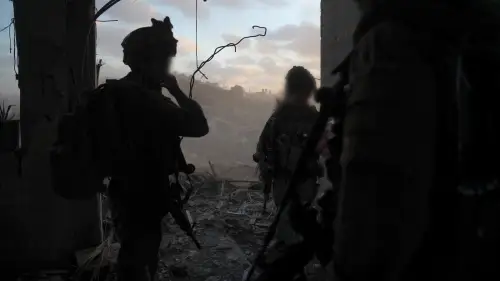
The war between Israel, the U.S. and Iran is not only reshaping the Middle East battlefield; it is accelerating a revolution in how modern wars are fought.
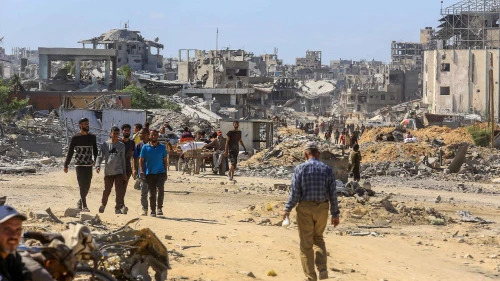
The choice of which countries form the backbone of the force may determine whether the ISF becomes a viable mechanism for postwar stabilization, or another diplomatic experiment doomed by conflicting agendas.
Rivalry with the U.S. sees Beijing seizing the Hamas war as an opportunity to expand its diplomatic influence and reshape global opinion in its favor.
The clans are “substantial, influential players that control hundreds if not thousands of enforcers.”
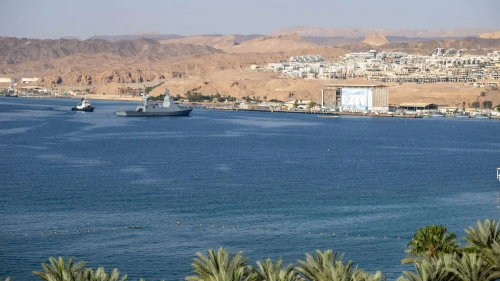
“As Israel increasingly recognizes the strategic importance of its maritime domain, the navy’s role and influence have grown, albeit gradually.”
“The trap is that this very important first stage is only the first step to a much larger goal that is yet to be achieved,” said Jerusalem Center for Security and Foreign Affairs President Dan Diker of the Trump ceasefire plan.
“When it comes to Israel’s relations with Latin American countries, it mostly depends on who’s in power.”
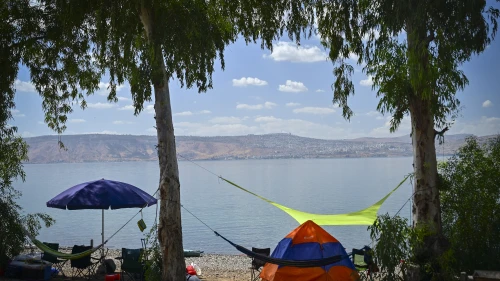
While Israel’s desalination network has largely ended the threat of water scarcity, the decision to refill the Kinneret is driven by deeper strategic, ecological and cultural considerations.
“These new sanctions are a real game-changer. These are the sanctions that pushed the Iranians to make the last deal,” Iran expert Beni Sabti told JNS.