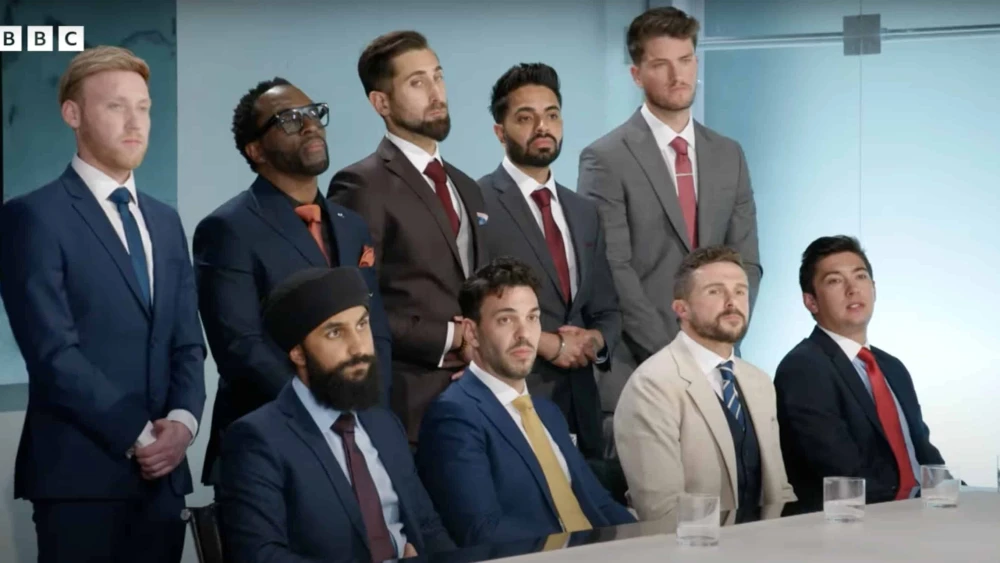
The BBC is facing backlash after it was revealed that scenes featuring controversial “Apprentice” contestant Asif Munaf would be cut from its companion show, “You’re Fired,” due to allegations of antisemitic tweets.
Despite the scenes being recorded over the weekend, they will not be aired, following pressure from Jewish staffers and advocacy groups. Munaf, a medical doctor who had previously undergone diversity training after making antisemitic remarks on social media, faced criticism for posts referring to Zionists as a “godless satanic cult” and mentioning the “trial of the Zionist antichrist.”
Speaking to Deadline magazine, BBC insiders expressed shock at the decision to record scenes with Munaf, especially given his history of controversial remarks. A BBC source indicated that Munaf would not have been included in the show had his antisemitic posts been known prior to filming.
Although the BBC confirmed Munaf’s exclusion from future content related to “The Apprentice,” Jewish staffers remain disheartened by the situation. Some expressed frustration with BBC content boss Charlotte Moore’s management of the matter, questioning her effectiveness as the BBC board’ antisemitism representative.
Danny Cohen, former BBC programming head, advised against dictating to Jewish employees what constitutes antisemitism and criticized the BBC’s decision to feature Munaf despite his racist views.
“I would advise BBC managers to stop telling Jewish employees what is and isn’t antisemitism,” Cohen stated. “This simply would not happen if the issue involved racism against any other minority community.”
Jewish groups, including the Board of Deputies of British Jews, condemned the BBC’s actions and urged the network to cease platforming Munaf and issue an apology for mishandling the situation.
The BBC found itself mired in another antisemitism scandal earlier this week after one of its schedulers was suspended for antisemitic Facebook posts. She has since departed the broadcaster.