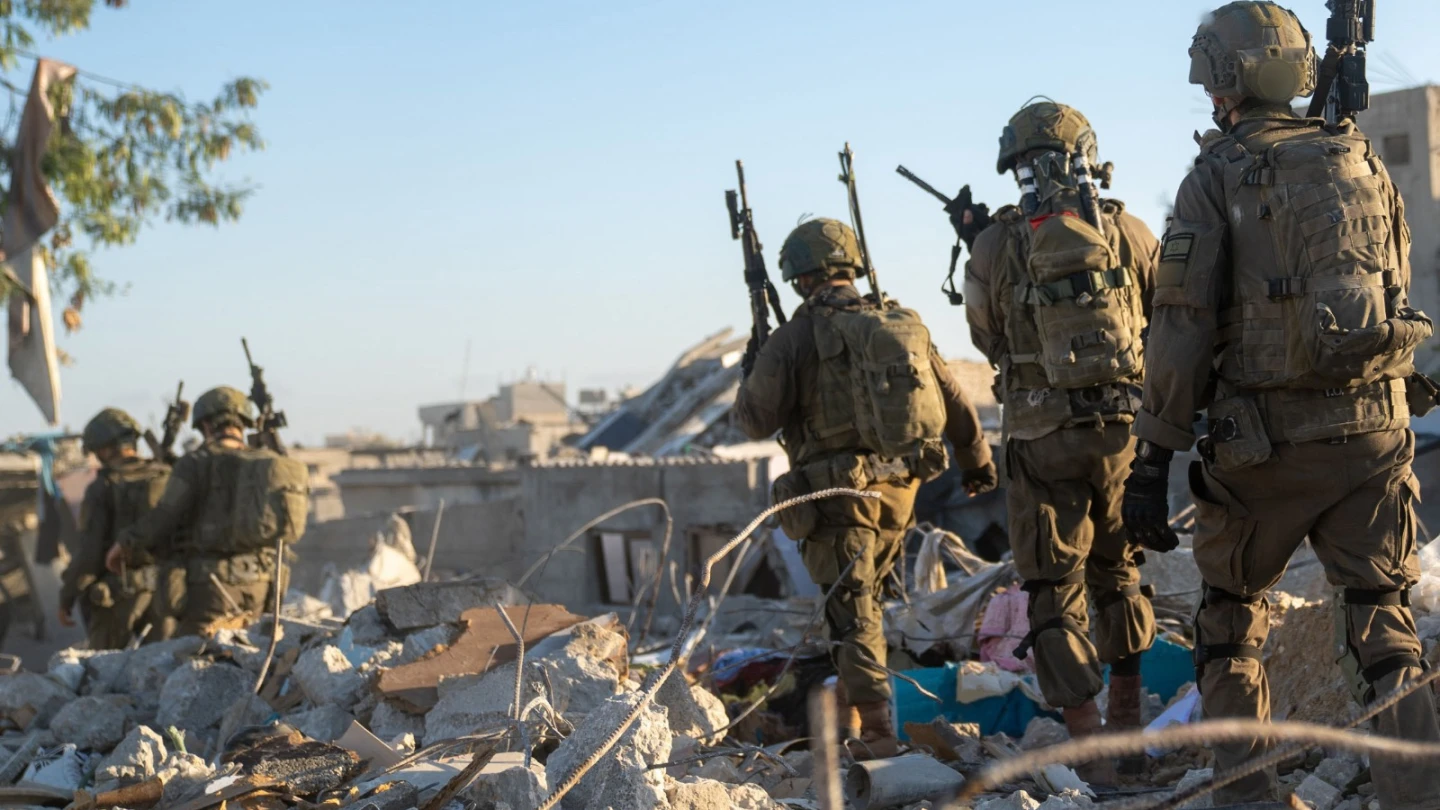
In recent days, the world has been working feverishly—some for peace and others for war. On one side stand the United States and Israel, joined by eight Muslim nations, striving to persuade Hamas to accept the peace proposal presented jointly by U.S. President Donald Trump and Israeli Prime Minister Benjamin Netanyahu.
Through a mixture of pressure and promises, they have made some progress. The priority is the release of the hostages, followed by a complex set of 20 points that Hamas continues to contest. Yet the very fact that peace is being seriously discussed marks a step forward.
At the same time, across Europe, mobs have poured into the streets spewing hatred against Israel and the Jews. Their fury was inflamed by the halting of a so-called “flotilla,” whose real aim was to support Hamas, the most brutal of terrorist organizations.
On Yom Kippur itself, while peace talks continued, two Jews were murdered outside a synagogue in Manchester on their way to the holiest prayer of the year.
None of the Arab states participating in the diplomatic effort—Saudi Arabia, Egypt, Qatar, Turkey and others—has used the false term “genocide.” Only the crowds waving Palestinian flags do so endlessly. In Saudi Arabia, no one has dared cross the line of moral indecency reached by some European demonstrators who declared they did not want the hostages freed “because they are Israeli.”
Meanwhile, in Cairo, negotiations between Israelis, Americans, and Arab partners continue. Hamas seeks to weaken the framework, but the talks themselves are valuable. They show that despite extremist noise, a responsible coalition is emerging—a world divided between those who seek peace and those who scream.
Hamas, predictably, is trying to stall the release of the hostages and undermine Israel’s firm insistence on disarming Gaza and eliminating terrorist power there. The outcome is uncertain, but the very discussion demonstrates the enduring bond between Trump and Israel: peace is only possible through the dismantling of Hamas.
A post-Hamas Middle East could include a rehabilitated Palestinian entity, stripped of terrorism and governed by a technocratic administration. Any Israeli withdrawal must be phased—linked to hostage returns and Hamas’s surrender.
If the talks fail, Israel will continue its mission. It no longer aims to “clear” Gaza entirely but to ensure lasting security. The ongoing process—led by Israel, the United States and pragmatic Muslim nations—is a good one.
Encouragingly, the Sunni world is aligning, in effect, against its old adversary: Iran. The Islamic Republic, humiliated by the joint U.S.-Israeli offensive, is pushing Hamas to keep fighting. Should Hamas obey, Hezbollah, Syria, Yemen—and Iran itself—would again become battlegrounds, and Israel would face renewed waves of terror.
What then would Trump do? Time will tell. But one question remains: is endless hatred of Israel truly what the “pro-Palestinian” crowds want—and is that the price they are willing to pay to keep the Jewish state under siege?