Ashdod resident Tzipora Mark remembers the horrors of the Auschwitz extermination camp with striking clarity. She says she can still physically feel the beatings and abuse she endured there. Her back bears scars, and the vision in her left eye is impaired.
“I vividly remember the beatings, the moment the number was tattooed on my arm, and the nights I went to sleep hungry, unsure whether I would wake up in the morning,” she told JNS.
Amid enduring memories of the persecution of her family and the Jewish people during the Holocaust—memories intensified by the Oct. 7 massacre and the war of the past two years—Mark will celebrate her 101st birthday on Jan. 30, three days after the global community marks International Holocaust Remembrance Day.

The annual commemoration was set by the United Nations in November 2005, on the anniversary of the liberation of the Auschwitz-Birkenau German death camp by the Soviet army on Jan. 27, 1945.
Mark’s granddaughter Tali told JNS that her grandmother is struggling with dementia and that the recent war has confused her, triggering vivid flashbacks. “For the past two years, whenever we visit, she asks, ‘Why are there still explosions, and when will this war finally end?’—meaning World War II.”
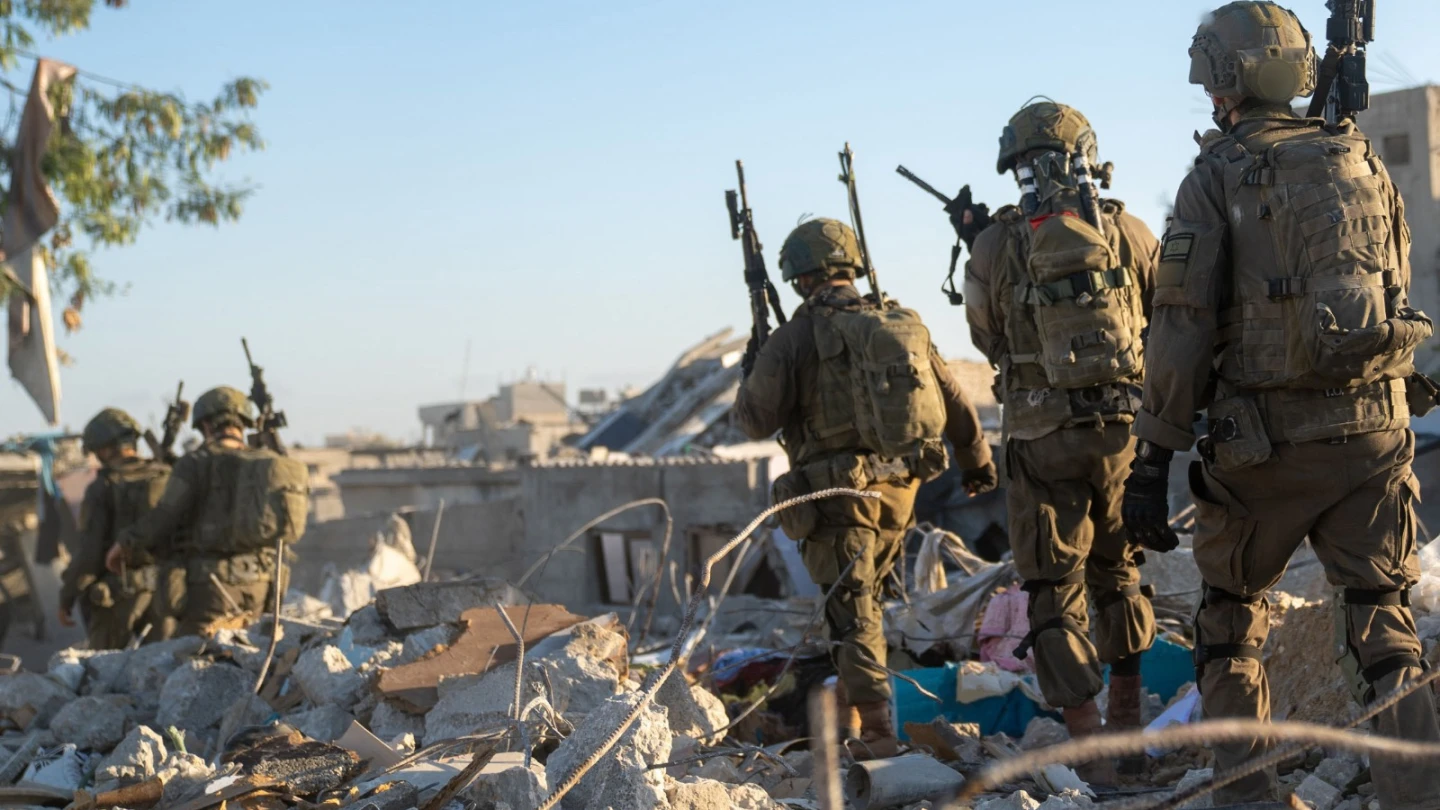
Sometimes, Tzipora, originally from Jilava, Romania, is afraid the Gestapo is coming to take her away, Tali said. The family tries to reassure her that she is in the State of Israel, with brave Israel Defense Forces soldiers protecting her.
Tali described some of the other triggers her grandmother lives with, including certain clothing, shoes and noises, including knocks on the door.
“Grandma always asked us never to wear black, because those were the uniforms of the Nazi Gestapo,” she said.
She said in recent years, and especially during this war, the anxiety-inducing episodes have intensified.

According to Tali, her grandmother’s wish for herself and for the Jewish people is peace, unity and security.
“She wants us to live without fear, without antisemitism and without having to hide our Jewish identity, whether in Israel or abroad. She believes in peace and brotherhood, both around us and within us,” Tali said.
She added that in her clearer moments, Tzipora constantly emphasizes the importance of remembering the Holocaust.
Tali said Mark built a proud family with six grandchildren and 20 great-grandchildren and teaches the values of sharing and humanity, recalling how in Auschwitz a piece of bread was divided crumb by crumb without anyone fighting.
“She always repeats three values: Do not be afraid, remember [the Holocaust], and share. She is a true leader and a constant source of strength and inspiration,” Tali said.
‘The anxiety stays with me’
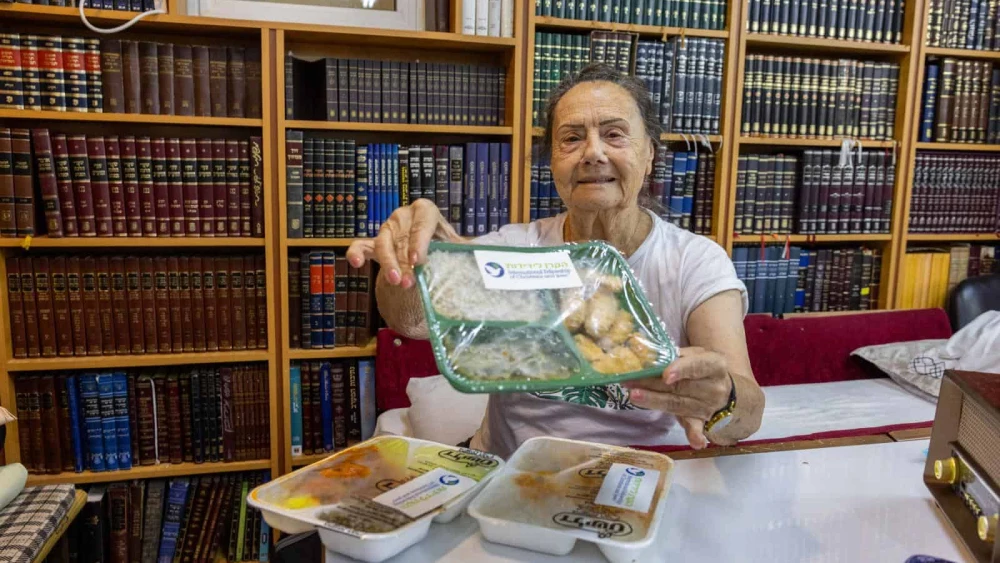
Esther Maman, 90, from Safed, is a Holocaust survivor who found herself again hiding at an advanced age—this time in a synagogue converted into a bomb shelter during Hezbollah rocket attacks on the Galilee.
She shared with JNS that in 1941, her family was deported to the Theresienstadt concentration/transit camp in a cattle car, after her father refused to cooperate with the Nazis in exchange for promises of protection.
After eight months, she and her family were saved by partisans and escaped into the forests, where they repeatedly escaped death at the hands of Nazi soldiers hunting for Jews.
Maman, originally from Bosnia-Herzegovina, immigrated to Israel at the founding of the state in 1948 and describes those early years as the happiest of her life. She has nine grandchildren and 18 great-grandchildren, all of whom served in the IDF.
“I rose from the ashes and built this family,” she said proudly. “I share my story with students and soldiers so that this memory is never lost.”
Reflecting on the past two years of war, Maman described rocket strikes near her home, repeated displacement, and profound emotional loss, including the murder of Gil Avni, whom she had cared for as a child while working as his nanny, by Hamas terrorists at the Supernova music festival on Oct. 7, 2023.
“When I hear about antisemitism around the world, I feel overwhelming fear. It reminds me of the darkest days of my life,” she said. “I am grateful to be in Israel, but the anxiety stays with me.”
Maman emphasized the importance of resilience, saying, “I survived. I live in the State of Israel. That is our victory. I pray for peace and unity, for the recovery of communities in the north and south, for support for wounded soldiers, and for the safety of Jews everywhere.”
Both survivors receive monthly support from the International Fellowship of Christians and Jews to purchase food and other essential items.
Since the outbreak of the war, the IFCJ has donated more than 1 billion shekels ($320 million) to assist affected populations with food, clothing and protective infrastructure, while continuing its long-standing support for Holocaust survivors, the elderly and families in need.
“These women and so many others like them are precious diamonds that we won’t have the honor of helping so much longer,” Yael Eckstein, president of the International Fellowship of Christians and Jews, told JNS.
“It’s our obligation not just to remember what happened, but our privilege to act and do all we can for those who have been through the worst, for the rest of their lives,” she said.
Eckstein said that for 40 years, the IFCJ has remained steadfast in its commitment to providing emotional and material support, kindness and dignity to those who have endured the worst.
She said this was particularly relevant now with the “wicked rise of antisemitism around the world once again.
“For these final years that they are with us, we will do everything in order to make sure that they are living with dignity and hope,” she said.