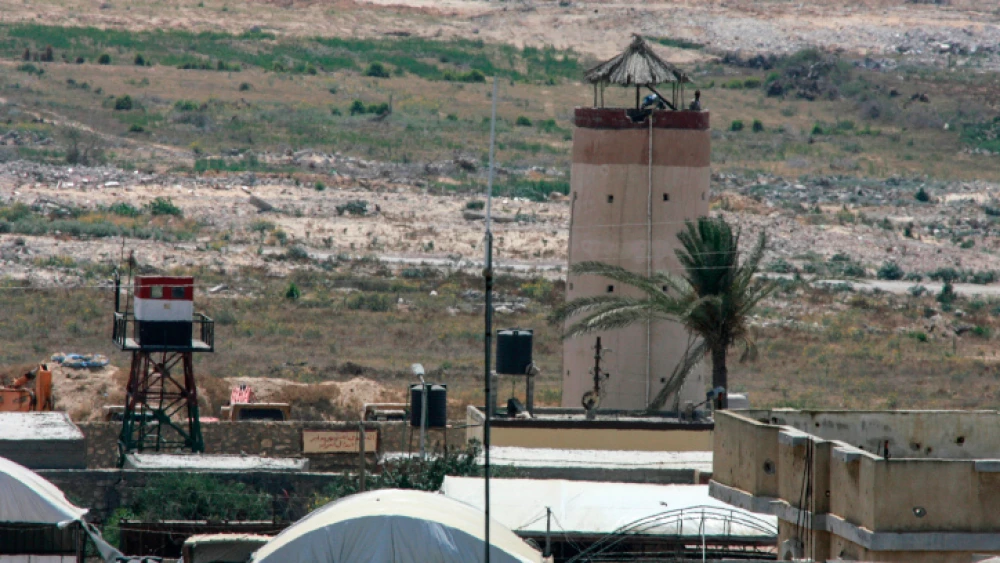
Egypt opened its border crossing with Gaza on Tuesday for the first time since March, when it was closed in order to curb the spread of the coronavirus.
Gaza residents with foreign passports and patients seeking treatment abroad were allowed to pass through the Rafah crossing during its three-day opening, the Hamas Interior Ministry said, and Palestinians stranded in Egypt and other countries would be allowed to return to Gaza, AP reported.
According to the report, some 500 people were planning to leave Gaza with the opening of the border.
To date, some 81 confirmed cases of COVID-19 have been reported in Gaza, and Hamas has set up quarantine centers for people returning.
Meanwhile, Israel announced that it would keep its own border crossing with Gaza, Kerem Shalom, closed for passage, but that fuel, food and humanitarian goods would continue to be delivered as usual.
Meanwhile, on Sunday, the Palestinian terrorist group Islamic Jihad threatened that Israel “will bear the consequences of anything that happens to the residents or farmers [of Gaza] as a result of the escalation.”
The group issued the threat on Sunday, after Israel Defense Forces troops fired smoke grenades into Gaza, to evacuate civilians who came under gunfire while doing construction work on the security barrier.