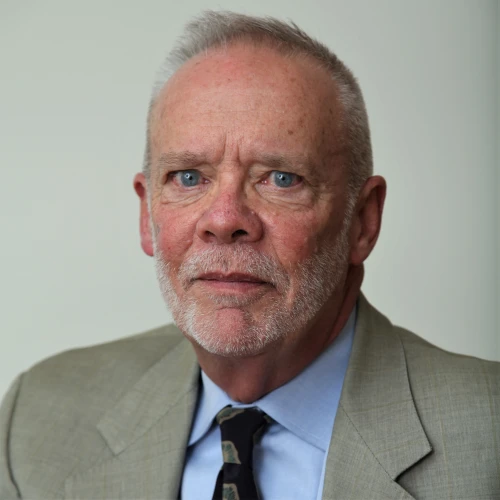
The Israel Defense Forces on Thursday killed the head of Hezbollah’s aerial forces in an airstrike in Beirut’s Dahiyeh district.
Senior Hezbollah terrorist Muhammad Hossein Sarur commanded numerous attacks with “drone, cruise missiles and unmanned aerial vehicles launched at the Israeli home front,” the IDF stated.
Sarur was also a drone production “project leader” in Lebanon, who established sites to build explosives and intelligence-gathering drones, “including some located under civilian buildings in Beirut and other areas in Lebanon,” the Israeli army said.
היום, 26 בספטמבר 2024, בהכוונה מודיעינית מדוייקת של חיל האוויר ואגף המודיעין, מטוסי קרב תקפו בביירות וחיסלו את מחמד חסין סרור, מפקד היחידה האווירית של ארגון הטרור חיזבאללה>> pic.twitter.com/9btewwdOwE
— צבא ההגנה לישראל (@idfonline) September 26, 2024
The slain terrorist joined Hezbollah in the 1980s and served in a variety of positions, including as the commander of the surface-to-air missile unit and the “Aziz” unit, responsible for terror operations on Lebanon’s southern border with the Jewish state.
Sarur also served as the Iranian-backed terrorist organization’s envoy to the Houthi rebels in Yemen.
Lebanon’s Al Mayadeen televisoin channel, which is affiliated with Hezbollah, reported that four people were killed in the Israeli airstrike.
Two Lebanese “security sources” confirmed that Sarur, also known as Abu Saleh, was among the dead, Reuters reported.
מרגעי התקיפה בביירות pic.twitter.com/0CPsHLAbLV
— בז חדשות (@1717Bazz) September 26, 2024
“The IDF will continue to undermine the capabilities of the Hezbollah terrorist group and to dismantle the organization’s top command,” the Israeli military stated on Thursday afternoon.
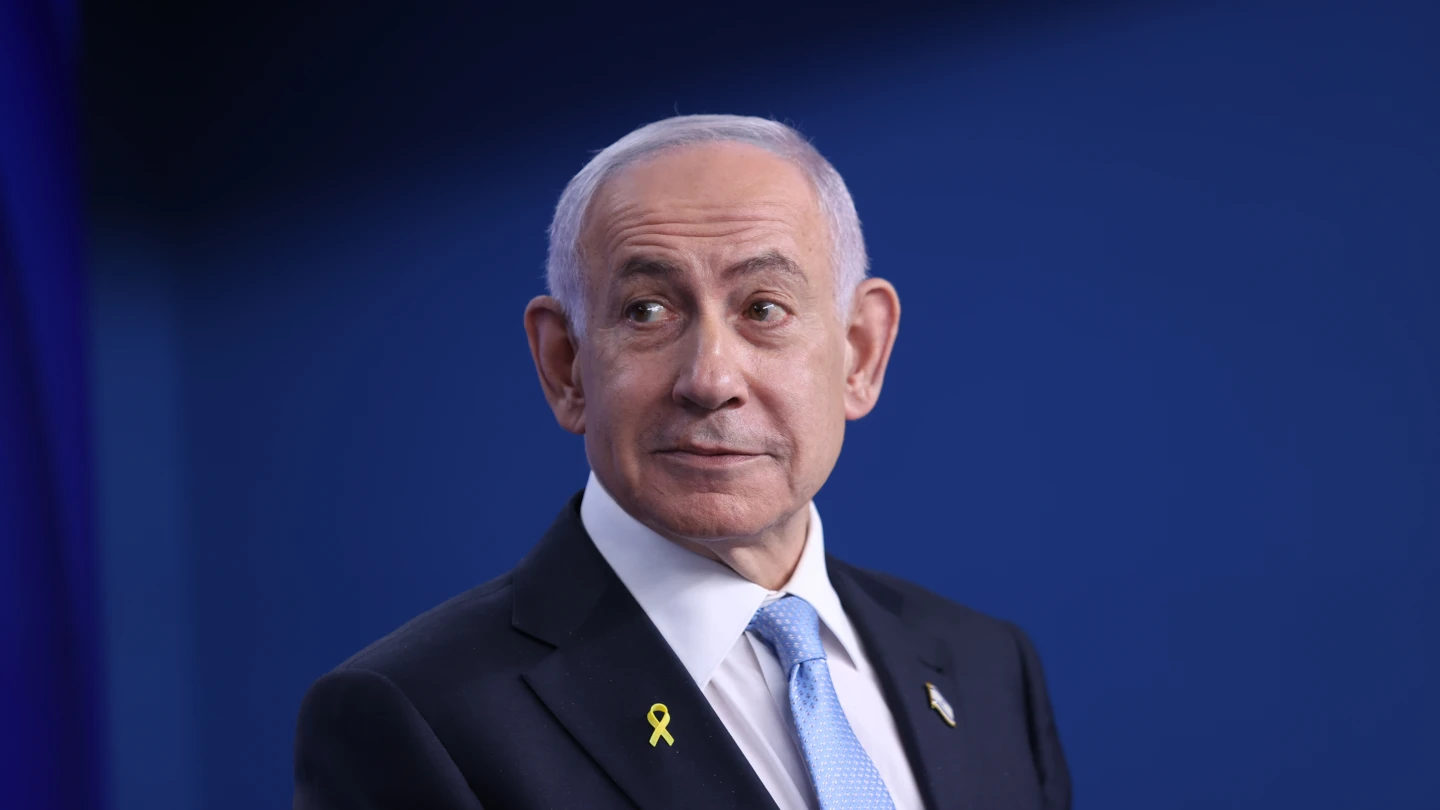
Shortly before the IDF announcement, the Israeli Prime Minister’s Office released a photo of Prime Minister Benjamin Netanyahu approving the assassination during his flight to the United States.

On Tuesday, Israeli Air Force jets carried out another strike in Dahiyeh, killing Ibrahim Qubaisi, the commander of Hezbollah’s missile array.
That strike came fewer than 24 hours after the attempted assassination of Hezbollah’s No. 3 terrorist commander, Ali Karaki, in the same area.
On Friday, the IDF took credit for a airstrike in Dahiyeh that killed more than a dozen senior Hezbollah terrorist officials, including Ibrahim Aqil, whom Washington also wanted for his involvement in the 1983 bombing of the U.S. embassy in Beirut.
Jerusalem has escalated attacks on Hezbollah since adding the return of evacuated Israeli civilians to the north as an official war goal on Sept. 17.
Hezbollah has attacked Israel nearly daily since Oct. 8, firing thousands of rockets, missiles and drones. The attacks have killed more than 40 people and caused widespread damage. Tens of thousands of Israeli civilians remain displaced internally due to the violence.