The United Nations Security Council unanimously renewed the mandate for the peacekeeping mission along the Israel-Syria border.
The 15-member council granted a six-month extension, through the end of the calendar year, for the U.N. Disengagement Observer Force, which was established in conjunction with the 1974 Disengagement of Forces Agreement between Israel and Syria, marking the end of the Yom Kippur War.
There were no changes in the text of the renewed mandate.
“We welcome this decision and will continue our close cooperation with UNDOF on the Israeli-Syrian border,” the Israeli mission to the United Nations told JNS.
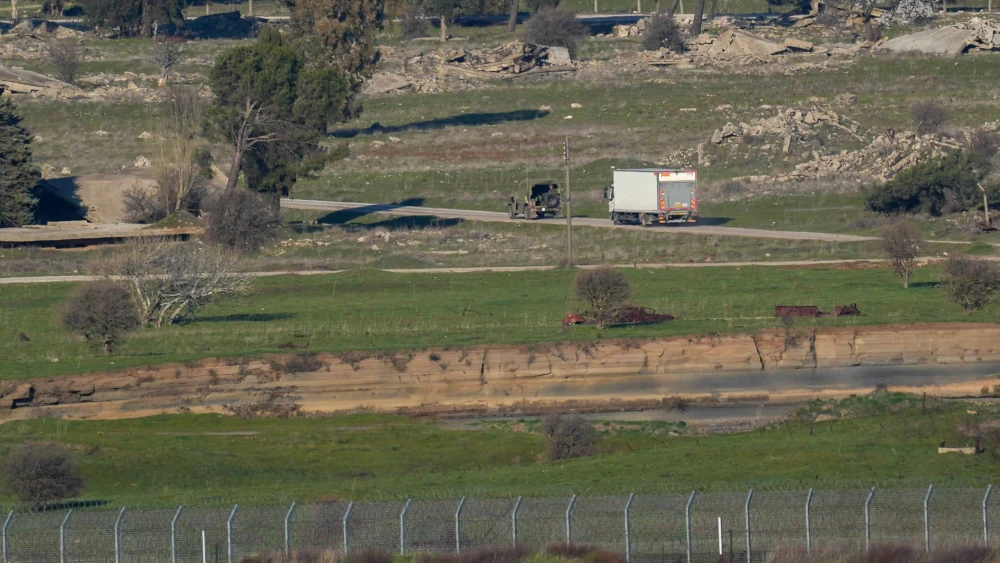
UNDOF is supposed to keep in line the ceasefire and keep Israeli and Syrian forces disengaged, while supervising a demilitarized buffer zone in the Golan Heights.
The last mandate extension was approved on Dec. 20, 2024, shortly after Israeli armed forces encroached on the buffer zone following the deposing of Syrian President Bashar al-Assad earlier that month.
Israel has kept what it says is a temporary but indefinite presence in the area since, under the premise that the new Syrian government, led by President Ahmed al-Sharaa, has longstanding ties to designated terror organizations and cannot be trusted to maintain security domestically or for the residents of Israel’s north.
Although Israel has regularly carried out strikes in Syrian territory since, the ceasefire has generally held, with Sharaa signaling he is open to a peace agreement with Israel, and has developed a positive relationship with the United States.
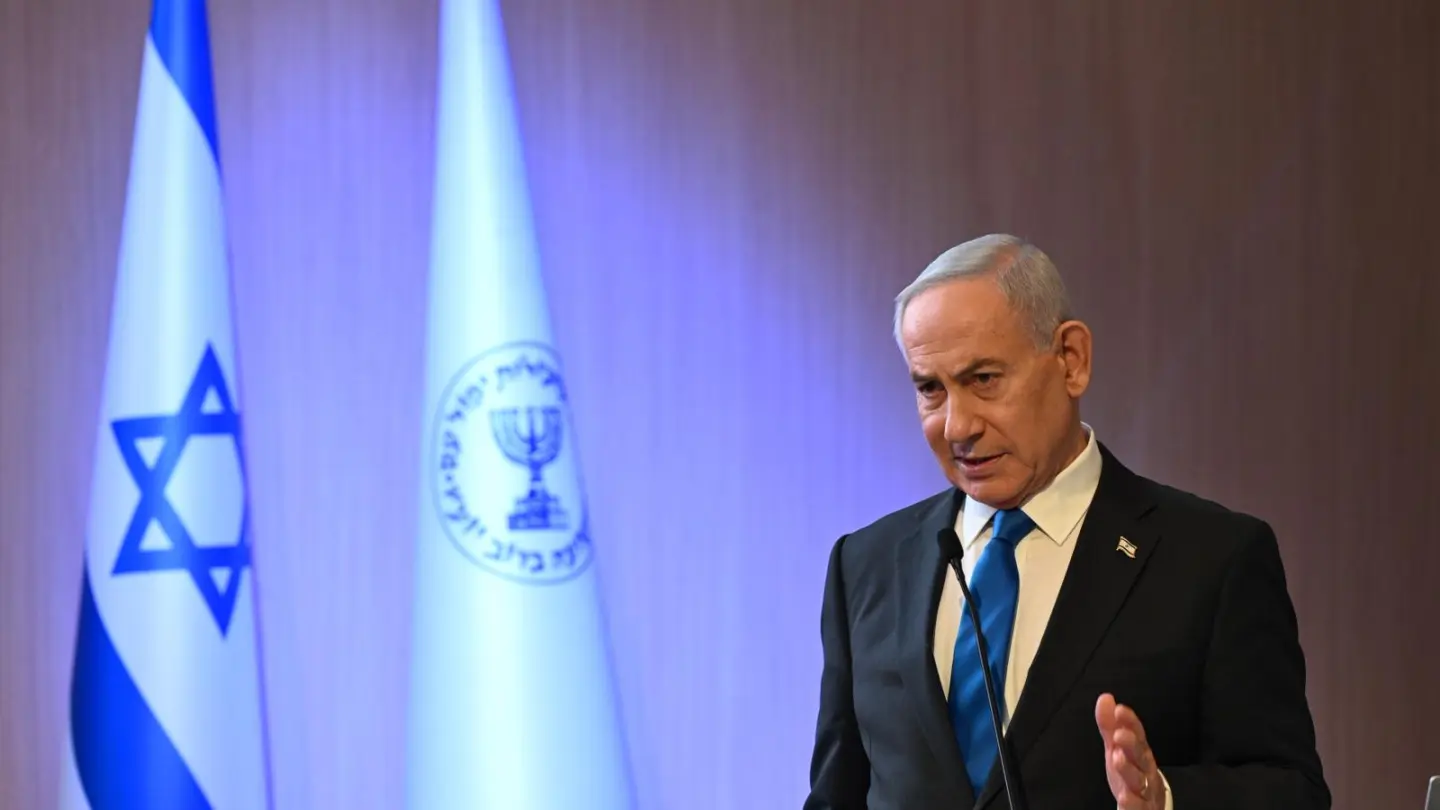
Israeli Prime Minister Benjamin Netanyahu has demanded the total demilitarization of southern Syria and the protection of the Syrian Druze community, whose Israeli brethren are seen as part of the Israeli societal fabric.