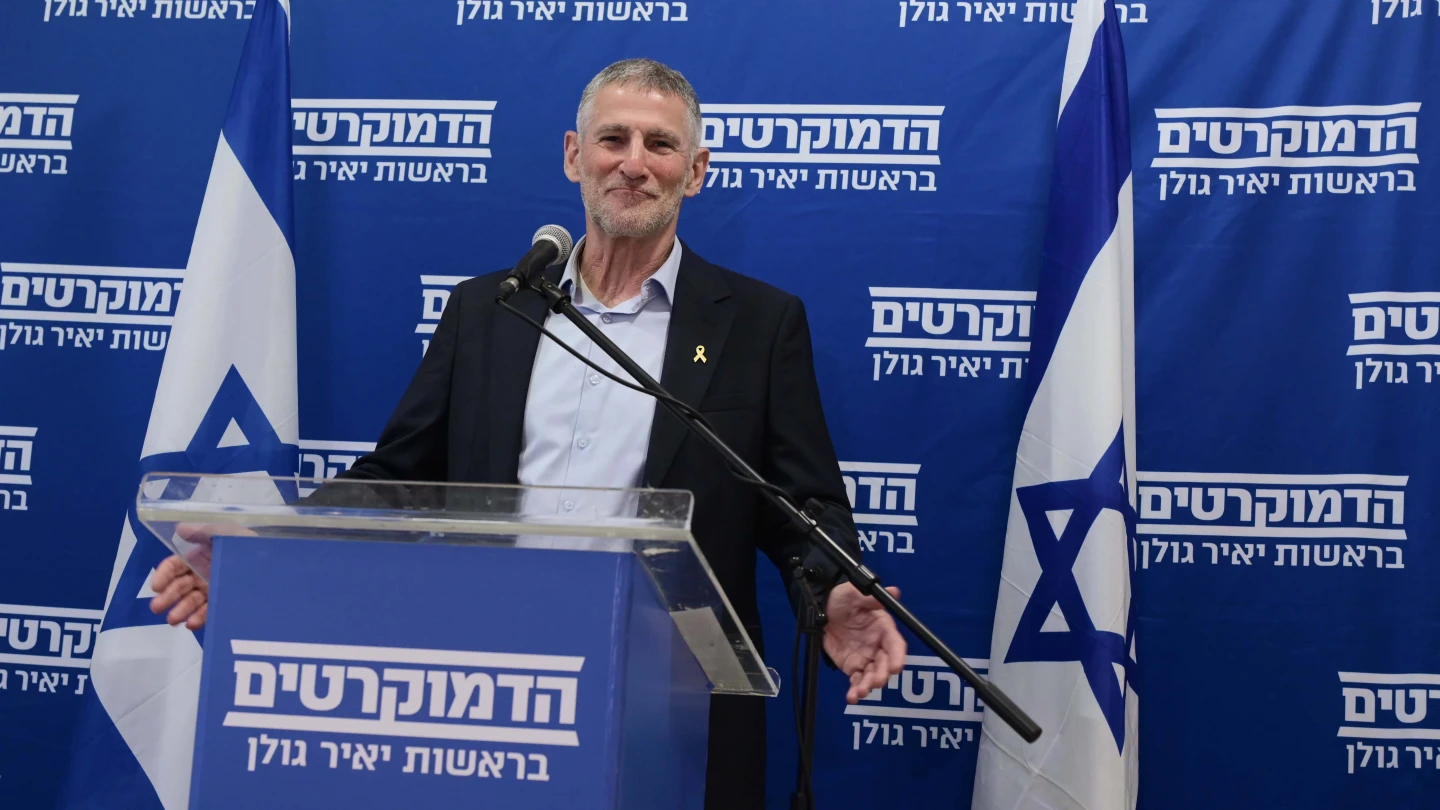
Israel will not contribute to the reconstruction of the Gaza Strip through U.S. President Donald Trump’s Board of Peace, Ze’ev Elkin, who serves as a second minister in the Finance Ministry, told local radio on Sunday.
“We will not fund the Board of Peace; there is no reason to,” Elkin, who sits in Jerusalem’s Security Cabinet, told state channel Kan Reshet Bet.
“We were attacked,” Elkin noted, referencing the Oct. 7, 2023, Hamas-led cross-border terrorist invasion from the Gaza Strip. The minister concluded: “There is no reason for us to pay for the reconstruction.”
According to Kan News, the Trump administration allowed the Jewish state to join the Board of Peace without contributing to reconstruction efforts or the international organization’s operating expenses. Other members, including Qatar and the United Arab Emirates, have each contributed more than $1 billion to the board, Kan News noted.
The report cited an unnamed Israeli government source as claiming that the payment exemption helped alleviate domestic political pressure on Prime Minister Benjamin Netanyahu, who faced criticism for agreeing to join the Board of Peace alongside hostile countries such as Qatar and Turkey.
Trump’s peace plan will get Gaza “ready for a renaissance,” U.S. envoy Steve Witkoff told Fox News’ My View with Lara Trump on Thursday.
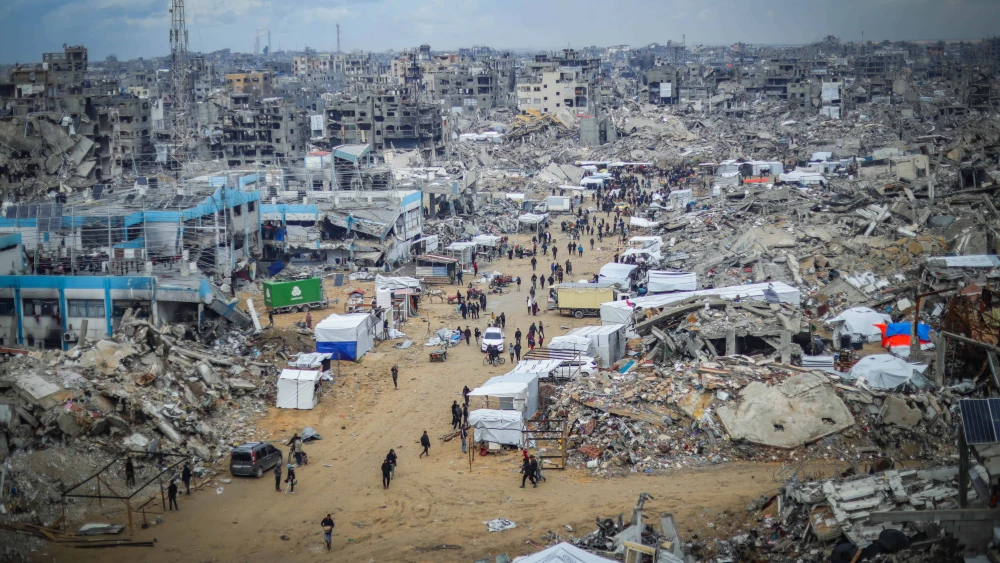
The $17 billion (including $10 billion from the U.S.) raised by the Board of Peace “is going to jump-start us,” Witkoff told Trump’s daughter-in-law. He added, “We’re going to have housing, and mass transportation, and we’re going to be able to clear and demolish all the areas there and get it ready for a renaissance.”
The president told the Board of Peace’s inaugural meeting on Thursday he believes Hamas will lay down its weapons under his plan, warning that the terrorist group will be “very harshly met” if it refuses to do so.
Several top Hamas leaders, including Khaled Mashaal and Musa Abu Marzouk, have rejected key parts of the peace plan in recent weeks, including disarmament, despite having agreed to it in October.
Board of Peace officials have repeatedly stressed that reconstruction would only commence after Gaza’s demilitarization, including Hamas’s full disarmament, so that the Strip no longer poses a threat to Israel.