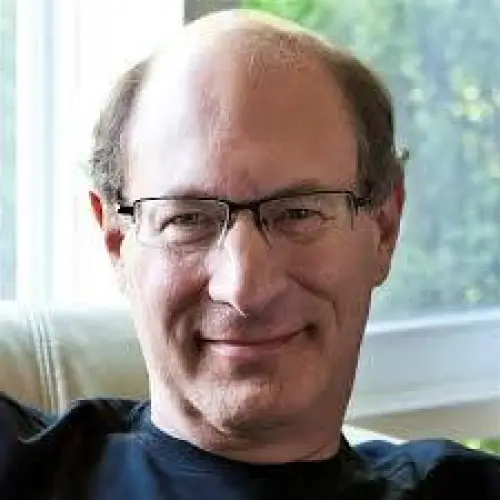
Justice Yitzhak Amit was sworn in as president of Israel’s Supreme Court on Thursday, in a ceremony that was boycotted by Prime Minister Benjamin Netanyahu’s government.
Amit, who is widely considered a left-wing judge, was officially sworn in at 5:30 p.m. in the presence of state President Isaac Herzog.
Netanyahu, Justice Minister Yariv Levin and Knesset Speaker Amir Ohana all announced they would not attend the swearing-in ceremony.
The decision, which received support from coalition lawmakers who sit on the Judicial Selection Committee, was taken following what Levin last month labeled an “illegitimate” appointment process, as well as allegations of fraud and conflicts of interest leveled against Amit.
On Jan. 13, it emerged that Amit failed to disclose that he was involved in legal proceedings involving Tel Aviv real estate under a different name, which right-wing lawmakers said amounted to fraud.
Maariv cited senior sources inside Netanyahu’s Likud Party as saying on Thursday that the prime minister considers Amit’s selection “null and void” and was considering not signing his appointment letter.
Article 12 of Basic Law: The President of the State says that the decree appointing the court president requires the signature of Netanyahu or “another minister assigned by the government,” in addition to Herzog’s.
It took more than a year for Amit to replace Esther Hayut, the previous Supreme Court chief, who retired in October 2023 at the mandatory retirement age for judges of 70. Justice Uzi Fogelman then served as the acting court president, until he too retired, in October 2024, at age 70. Since Jan. 26, Amit, 66, has served as acting court president.
Levin had resisted convening the Judicial Selection Committee due to his opposition to the seniority system, the custom whereby the most veteran justice, in this case Amit, is selected as president.
According to a survey the Jewish People Policy Institute published on Thursday, half of the Israeli public regards Amit as “problematic.” At the same time, 20% think his appointment should have been canceled, even if the move would have led to a constitutional crisis in the Jewish state.