Newsletter
Newsletter Support JNS

Two IDF soldiers wounded by explosive device during overnight raid

Troops suffered light and moderate injuries during an arrest operation in the Balata refugee camp in Nablus, according to the military.

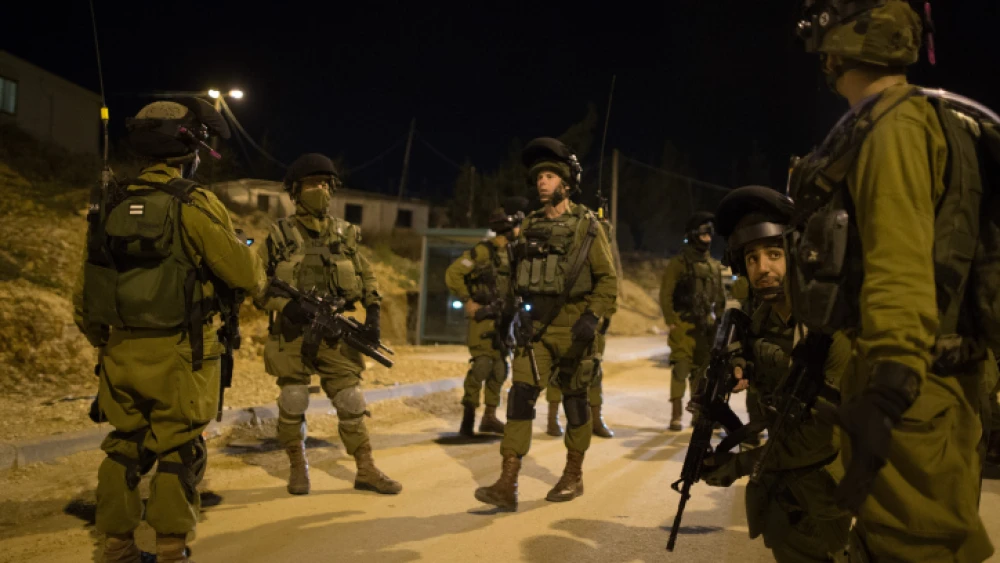
IDF Nachshon Battalion soldiers during an arrest operation in the Duhaisha Refugee Camp, near Bethlehem, on Dec. 8, 2015. Photo by Nati Shohat/Flash90.

Two IDF soldiers were wounded on Tuesday night after an explosive device was thrown at them during a raid on a refugee camp in Judea and Samaria, according to the Israeli military.

One of the soldiers sustained light and the other moderate wounds. Both were evacuated to the hospital for treatment.

“During the night, IDF forces conducted an arrest operation in the Balata refugee camp in the city of Nablus. During the operation, two IDF soldiers were wounded, lightly and moderately, apparently by shrapnel from an explosive device thrown at them,” the IDF said in a statement.

IDF
Matt Dorsey is “absolutely right to call out Piker, whose rhetoric is misogynistic, violent and traffics in conspiracy theories, antisemitism and hate speech,” according to the JCRC in San Francisco.
Kimberly Richey, assistant U.S. secretary of education for civil rights, stated that “such institutional neglect will not be tolerated.”
The governor’s office is awaiting information from the federal government about whether there are any “poison pills that could harm New York’s education system,” a spokesman told JNS.
“It will take at least a decade to rehabilitate,” said Orit Sulitzeanu, CEO of the Israeli Association of Rape Crisis Centers.
Texas American Muslim University at Dallas founder and board chairman Shahid A. Bajwa told JNS the program is “actively engaging” with the state education board after receiving a cease-and-desist letter halting operations.
The crowdsourced encyclopedia hasn’t repaired the “content contamination” that the banned editors left behind, according to Shlomit Lir, of University of Haifa.