A small percentage (0.1 to 0.3 percent) of people are born with congenitally deformed ears. This can have a severe psychological impact, and sometimes involves hearing loss.
While surgeons can reconstruct ears using cartilage harvested from a patient’s chest, the procedure is not usually performed until at least 10 years of age.
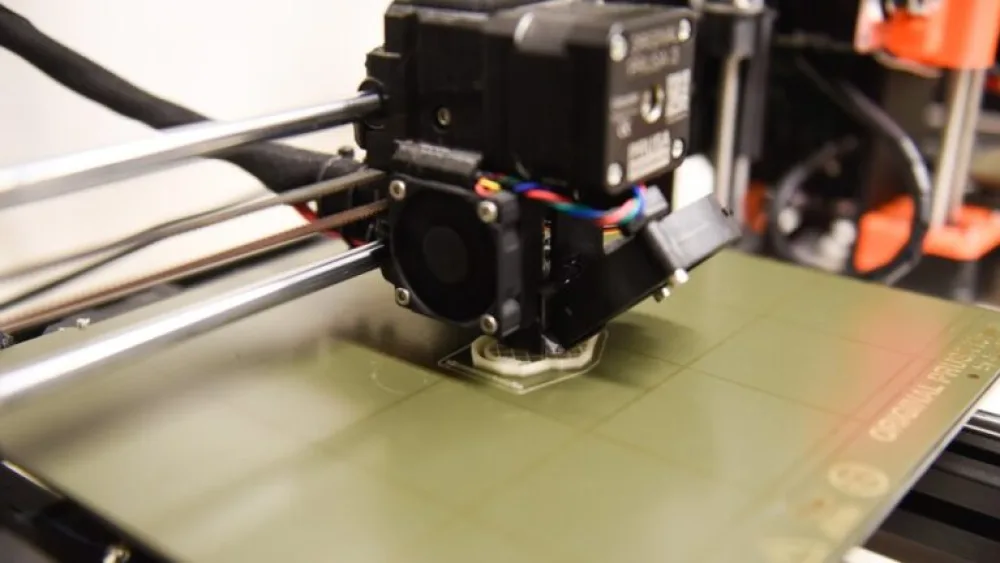
Researchers at the Technion-Israel Institute of Technology and Sheba Medical Center have developed a way to 3D-print “scaffolding” as the basis for a replacement ear.
The scaffold, which allows for the formation of an aesthetic and stable auricle (the visible part of the external ear), is designed from a CT scan of the patient’s ear and can be performed on children as young as six.
The biodegradable scaffold forms chondrocytes, the cells responsible for cartilage formation, and mesenchymal stem cells. Pores of varying sizes allow for cell attachment to form stable cartilage.
The procedure has so far been tested on lab rats. The researchers monitored cartilage formation within the auricle construct in the lab for between 10 days and six weeks before implanting it in the test subjects.
The grafted prosthetic ear demonstrated good biomechanical function, the researchers reported in the journal Biofabrication.
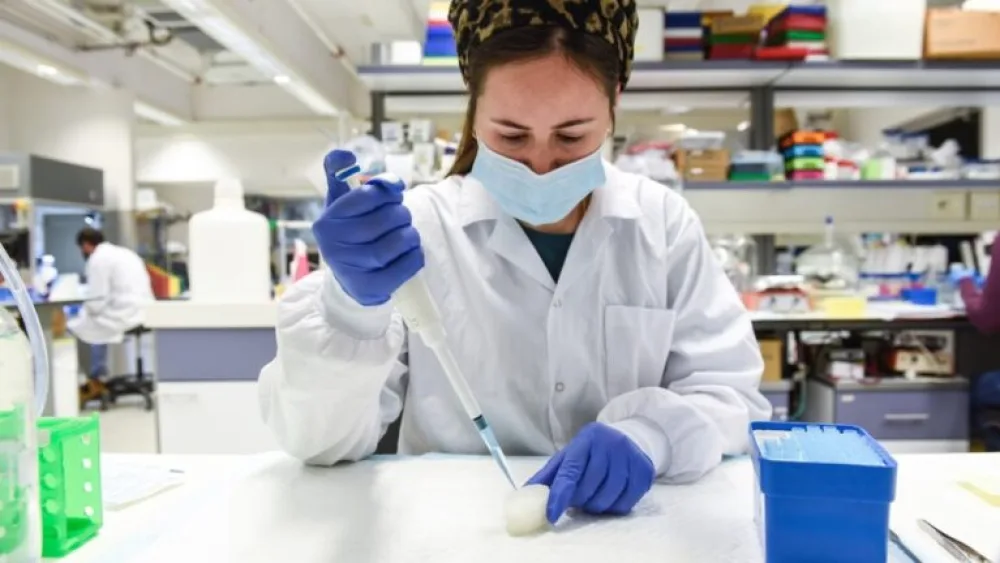
The project was led by professor Shulamit Levenberg of the Faculty of Biomedical Engineering at the Technion and Dr. Shay Izhak Duvdevani, a senior physician in the Otorhinolaryngology Head and Neck Surgery Department and head of the Tissue Engineering Lab at Sheba Medical Center. The protocols were developed in Levenberg’s lab under Dr. Shira Landau.
“One of the challenges in the study was to find a suitable 3D-printing method, since fabricating an ear necessitates the use of biodegradable materials that break down in the body without harming it but have an extremely accurate external structure and small pores,” said Levenberg.
“We estimate that it will be possible to tailor our technology to other applications, such as nasal reconstruction and fabrication of various orthopedic implants.”
This article was first published by Israel21c.