


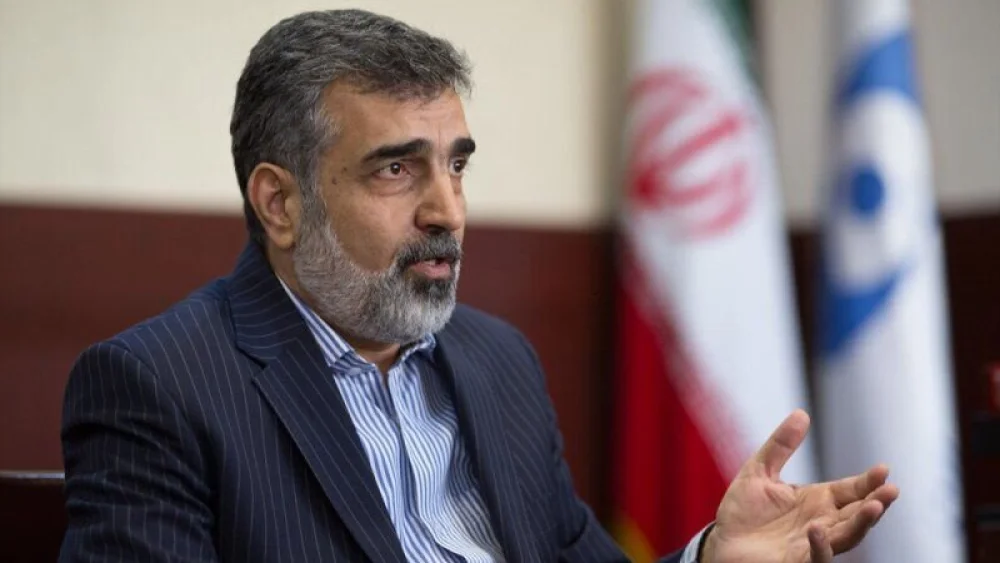
Atomic Energy Organization of Iran spokesman Behrouz Kamalvandi said on Monday that Iran has more than three tons of uranium enriched to 4 percent, and at least 1,000 tons of yellowcake. This is 10 times more than Iran is permitted to have under the 2015 Joint Comprehensive Plan of Action (JCPOA) nuclear deal, he said.
In an interview with Iran’s Al-Alam TV, Kamalvandi said that Iran also has 230 tons of heavy water, which he said is used for research, with the surplus being exported to unspecified countries in Europe or Asia. Iran is also producing and exporting 242 chemical isotopes, he added.
He also said that Iran can enrich uranium further if the need arises.
In addition, Kamalvandi said that Iran’s nuclear program would recover within 14 months from the explosion in the Natanz nuclear facility, which he said appears to have been an act of sabotage.
And if there is a “snap back” to economic sanctions against Iran, he said, then the JCPOA will become null and void.
Furthermore, Kamalvandi pointed out that International Atomic Energy Agency inspections must cease because a sovereign country should not be flooded by “unnecessary” questions and inspections, adding that the U.N. nuclear watchdog currently wants to inspect sites near Shahreza and near Tehran.


