The District of Columbia Court of Appeals upheld a lower court’s ruling that denied the request of two anti-Israel protesters for a stalking order against Rabbi Shmuel Herzfeld.
The ruling on Thursday from Washington’s highest court also called a $182,000 award for the rabbi’s legal bills into question.
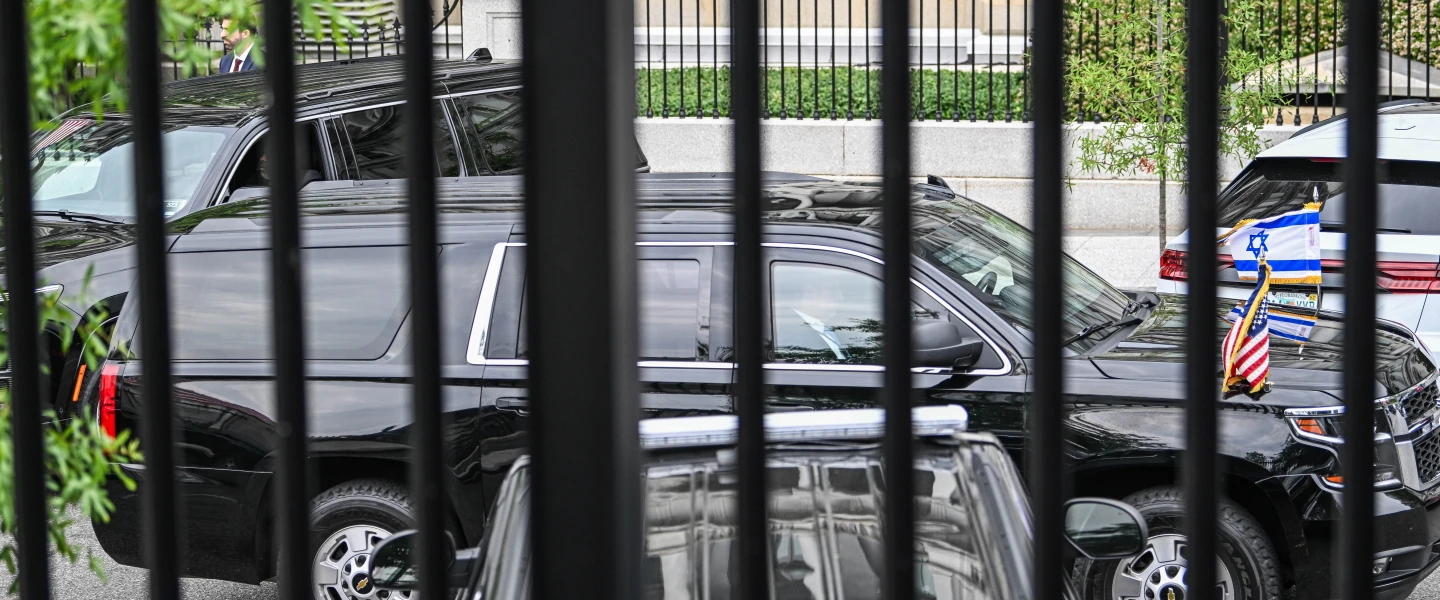
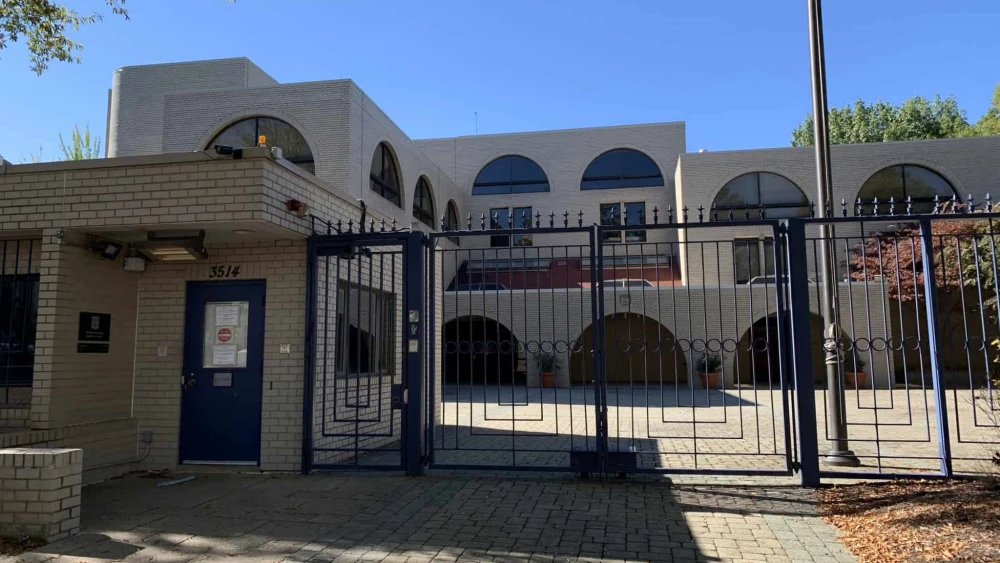
The case centered on three protests in front of the Israeli embassy in Washington in the spring of 2024. Herzfeld, a former pulpit rabbi at a prominent district Modern Orthodox synagogue who now runs a religious school, came to the site three times to pray for hostages, then still held in Gaza, or to respond to months-long anti-Israel protests led by Atefeh Rochvand and Hazami Barmada.
The latter two used megaphones and noise machines in their protests outside the embassy, per court documents.
What the rabbi said was contested in trial, but the court found that the anti-Israel protesters didn’t meet the burden of showing that Herzfeld was stalking them.
He had reasons for being at the public, designated area for protests near the embassy, and there was a lack of evidence that he threatened bodily harm, the court ruled.
Herzfeld “basically” indicated that “people who are at the protest are people who support bad conduct” and said that “these are the wicked people” and “we will defeat them,” the trial court said.
Herzfeld asked the protesters why they supported rape, which the trial court found was “the kind of provocative comment that people make at protests,” even if it is upsetting.
The appeals court ruled this week that “Rabbi Herzfeld’s comments, which were not literally threatening and largely were not specifically directed at Ms. Rokhvand or Ms. Barmada, fall comfortably on the protected-speech side of the line between political hyperbole and true threats.”
The appeals court denied the protestors’ claims that the trial court didn’t properly consider the actions of others at the protest site with Herzfeld, or that threats they say were made by “innuendo or suggestion” rose to the level of actual threats.
There is, though, the issue of $182,000 the trial court awarded to Herzfeld as a result of a motion under anti-SLAPP (Strategic Lawsuit Against Public Participation) laws, which are meant to disincentivize frivolous lawsuits, which are designed to silence public advocacy.
The trial court found that the plaintiffs presented “no evidence” in support of their stalking allegations but did so at the end of the trial after repeatedly denying Herzfeld’s request to dismiss the case after evidence presentation.
That created confusion about whether the anti-SLAPP statute was followed correctly. The appeals court is sending that portion of the case back to the trial court for clarification and a review of the fees granted to Herzfeld.