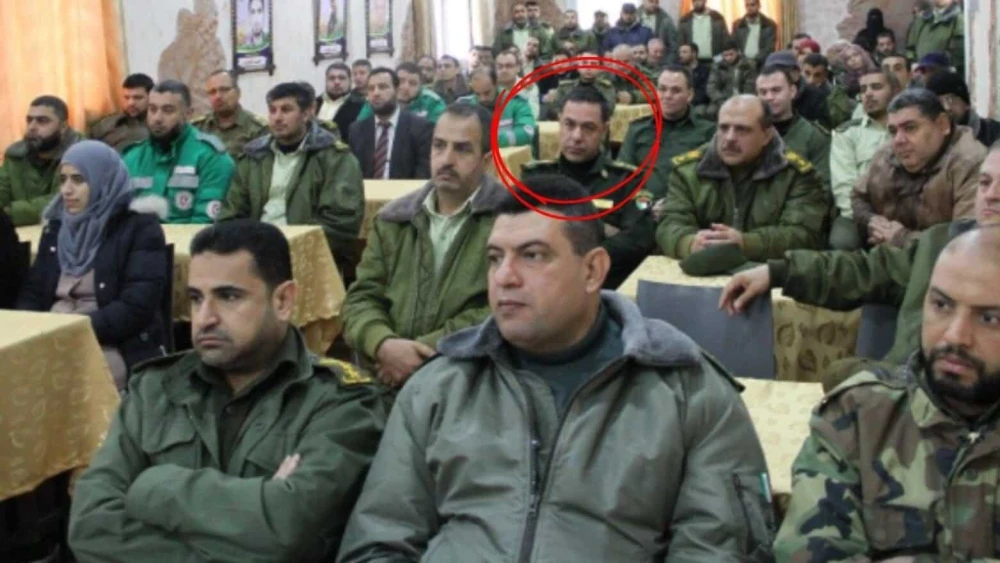
A Gaza physician who wrote New York Times op-eds accusing Israel of atrocities is actually a colonel in the Hamas terrorist organization, according to an Israeli watchdog group.
Senior researcher Vincent Chebat had located a 2016 photo of Dr. Hussam Abu Safiya in a Hamas military uniform at a ceremony marking the completion of Kamal Adwan Hospital in the Gaza Strip, NGO Monitor said on Saturday. Abu Safiya’s photo appeared on the Gaza Medical Services’ Facebook page, a group operating under the Hamas-run Health Ministry.
❗Breaking: NGO Monitor researcher finds photo of Dr. Hussam Abu Safiya in his Hamas uniform. 🧵
— NGO Monitor (@NGOmonitor) January 31, 2026
That the director of Kamal Adwan Hospital had a Hamas rank was an open secret in Arabic media, yet he was invited to write opeds for the @nytimes and was praised as a hero in an… pic.twitter.com/xPB05nNr2W
Abu Safiya wrote two opinion pieces for the New York Times after the war began, in late 2023 and in December 2024, in which he was described as “a pediatrician and the director of Kamal Adwan Hospital in northern Gaza,” with no mention of any role in Hamas, which is designated by the United States as a Foreign Terrorist Organization.
In the 2024 op-ed, he wrote, “We are suffering and paying the price of the genocide that is happening to our people here in the northern Gaza Strip,” and described Israeli actions in Gaza as horrific, without addressing Hamas’s role.
The war began on Oct. 7, 2023, when Hamas led a cross-border assault into southern Israel, killing about 1,200 people, kidnapping roughly 250 others and wounding thousands more. NGO Monitor said Abu Safiya’s social media posts appeared to praise the Oct. 7 attacks and included anti-Israel and antisemitic rhetoric.
The group said organizations including Amnesty International, the BBC and Al Jazeera portrayed Abu Safiya’s 2024 arrest as part of Israel’s “systematic targeting of Palestinian health workers,” while omitting Arabic-language references identifying him as a colonel in Hamas-run Military Medical Services.
“Those who platformed Abu Safiya must do some serious soul-searching, and figure out how they ended up promoting the propaganda of a literal Hamas terrorist,” Chebat told the New York Post.