


Column

With the U.S. peace plan, new realities are finally being acknowledged and the failed paradigm that has plagued the Israeli-Palestinian conflict for the past 27 years is finally being retired.
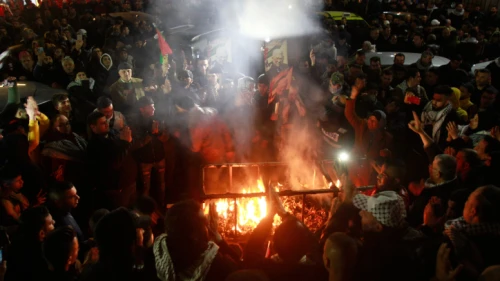
Although the new U.S. proposal is unlikely to achieve its purported goal, it underscores certain facts long debated and now confirmed, and sheds light on the future path for resolving the Israeli-Palestinian conflict.

The U.S. president recognized the truth at the foundation of Zionism and made that truth the foundation of America’s policy regarding the Palestinian conflict with Israel.
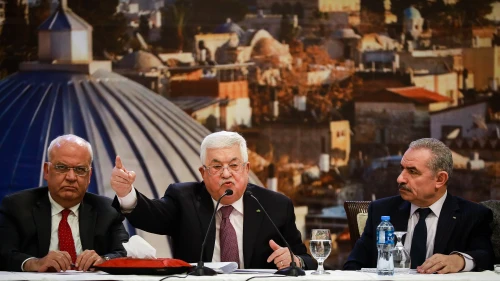
Contrary to the bad advice they’re getting from the Democrats and J Street, Palestinians need to accept that the U.S. plan is their best chance for statehood.

Hours before the ceremony in Washington with U.S. President Donald Trump to present the Mideast peace plan, including a map of the borders of the proposed demilitarized Palestinian state, the Israeli premier announced that he was withdrawing his request for immunity.
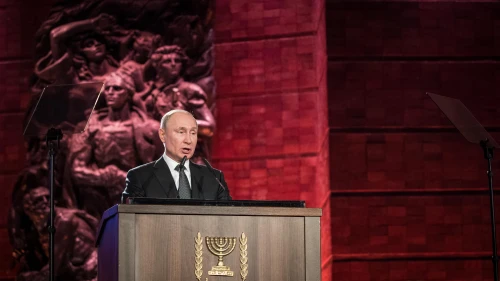
Soviet propaganda claimed that the Zionist movement was an ideological bedfellow of the Nazis, and that Zionist leaders had collaborated with the Nazis at just the time that the USSR was engaged in its heroic resistance.
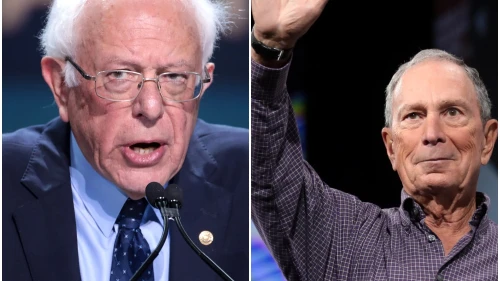
The billionaire and the Socialist could present Democrats with a debate about support for Israel, as well as the virtues of socialism and capitalism.

By embracing the release of the U.S. peace plan ahead of Israel’s March 2 elections, Netanyahu believes he can expose his political challengers while reaping large dividends for himself and the Jewish state.

Two world leaders gasping for their political lives are ready to gamble.
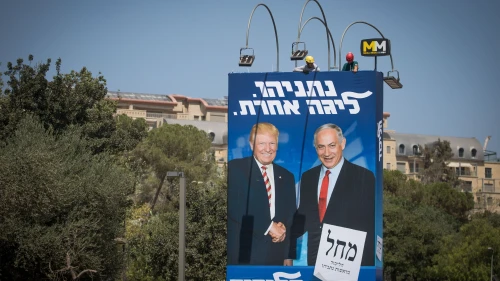
It’s not clear whether it will bail out Bibi or hurt Gantz, but imagining a future Middle East that accepts most of these terms is actually a practical idea.

Why aren’t Jews supporting a court challenge to Montana’s striking down of tax credits for parochial education rooted in 19th-century prejudice?

Ever since the country was liberated from Communist oppression, it has tried to construct a national identity around its status as a victim of both Nazism and the Soviet Union.